
Last updated October 16, 2026
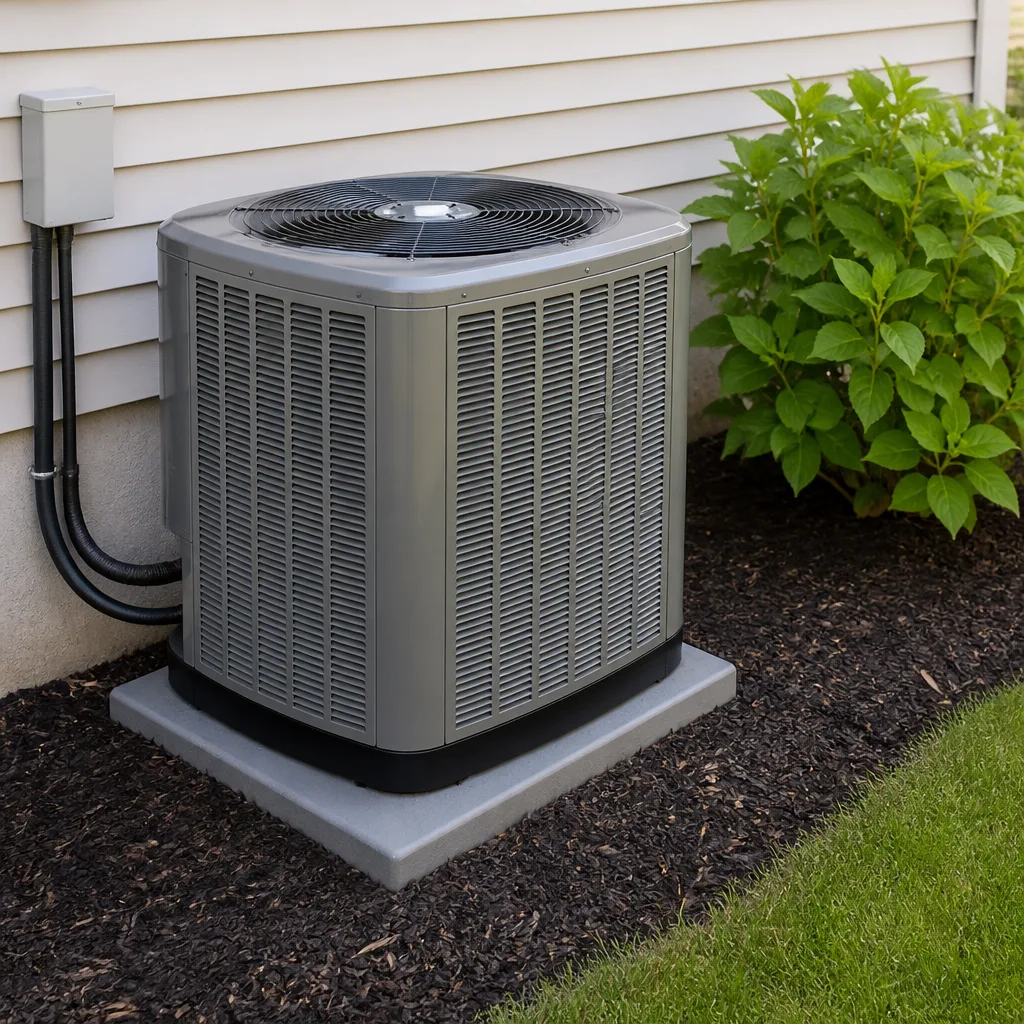 AC repair
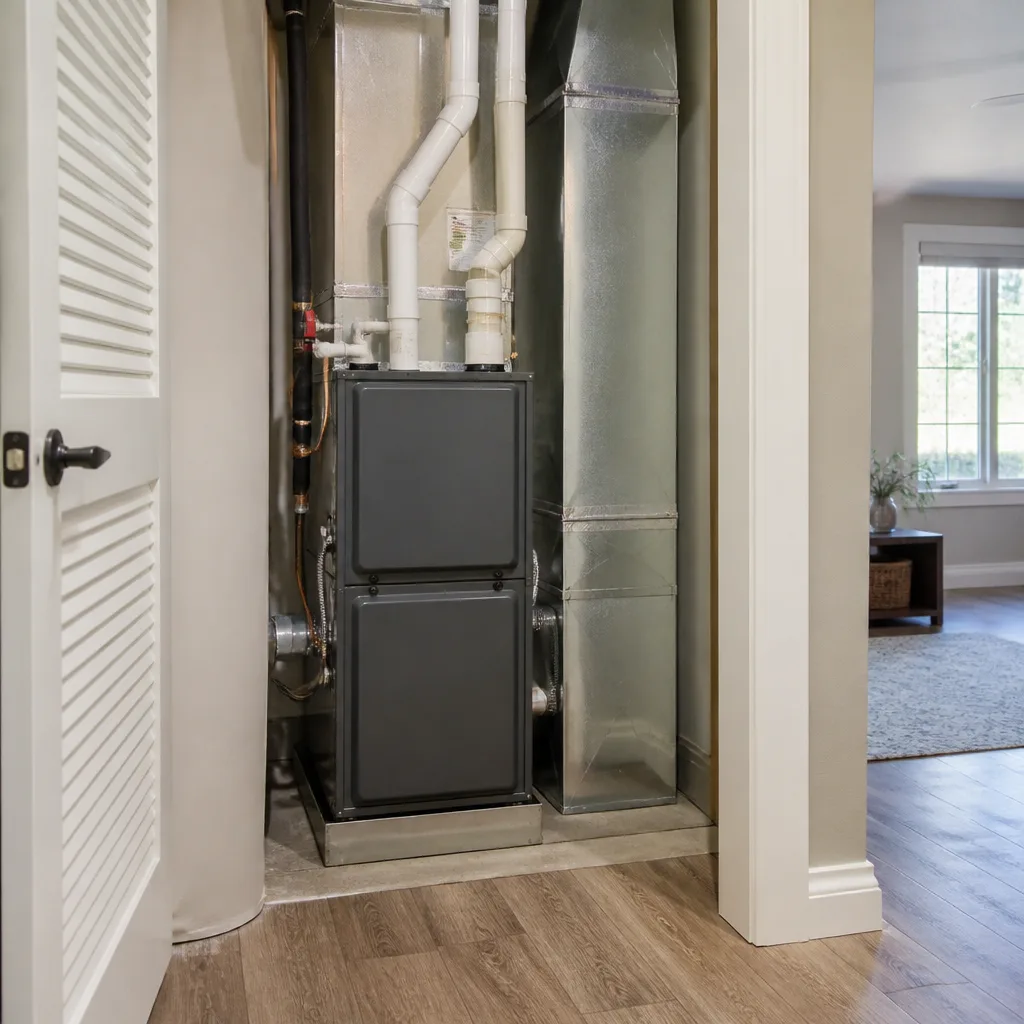 Furnace & heating
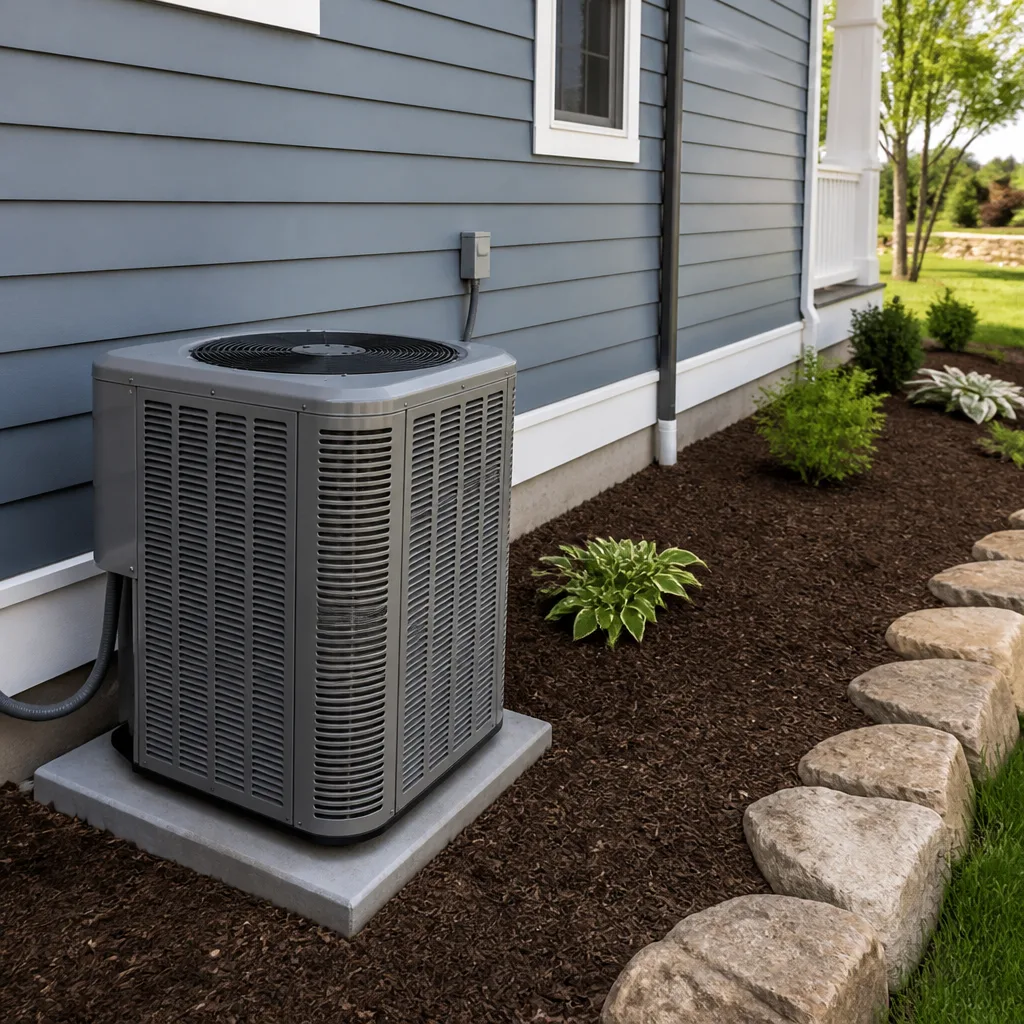 Heat pumps
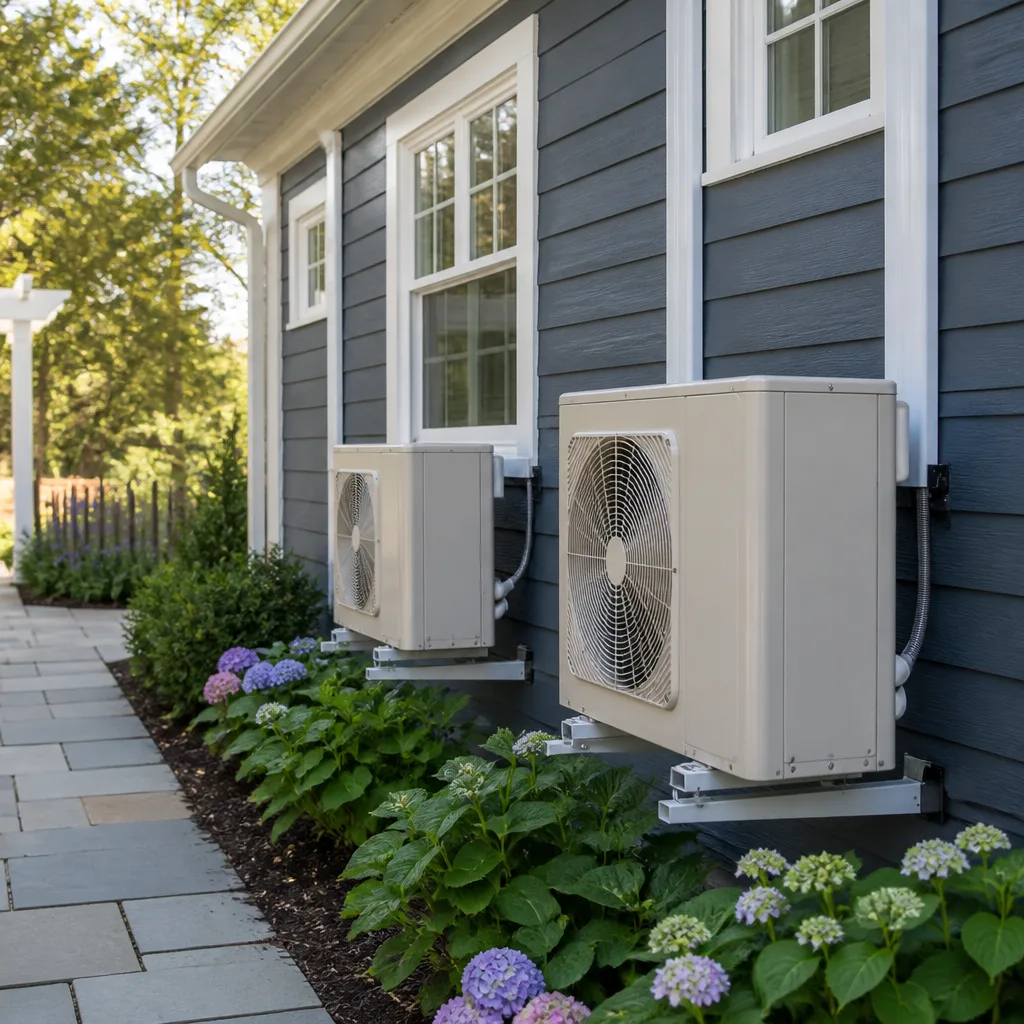 Ductless mini splits
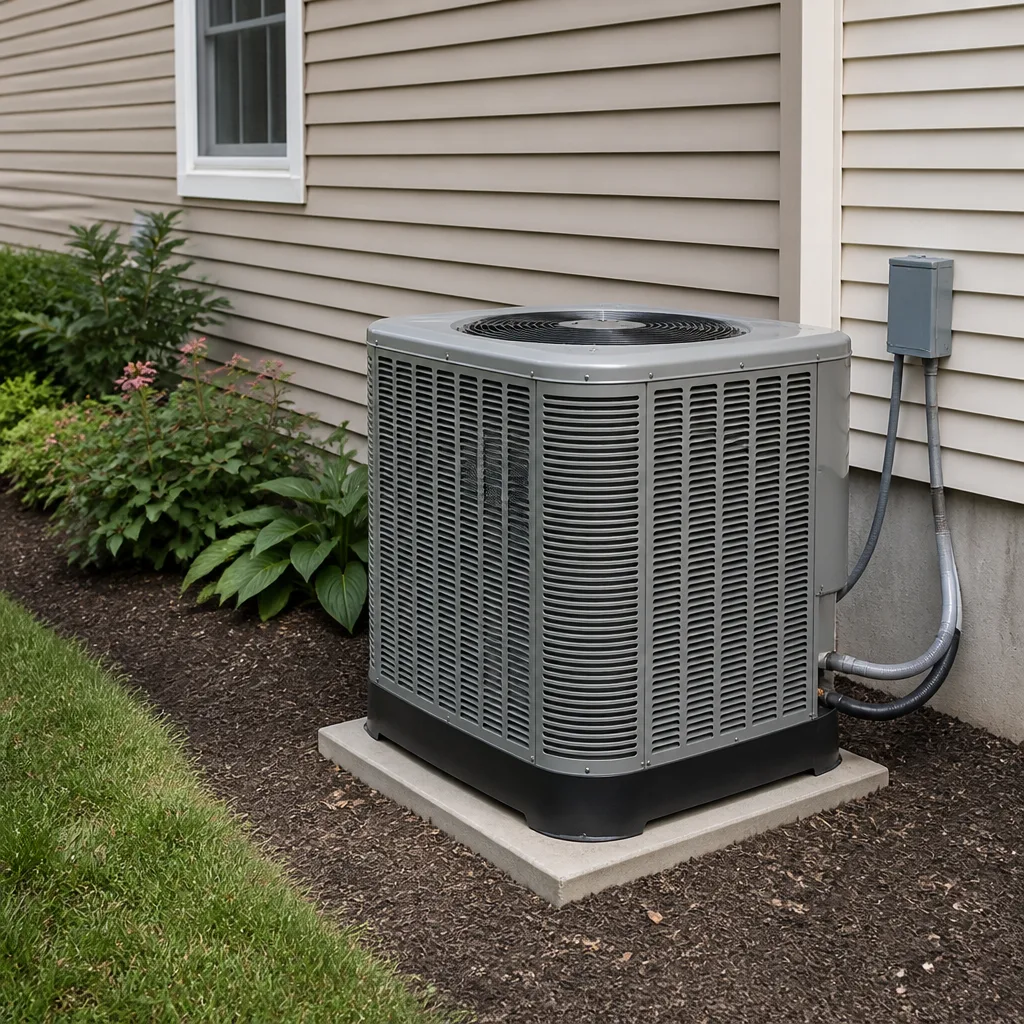 Carrier
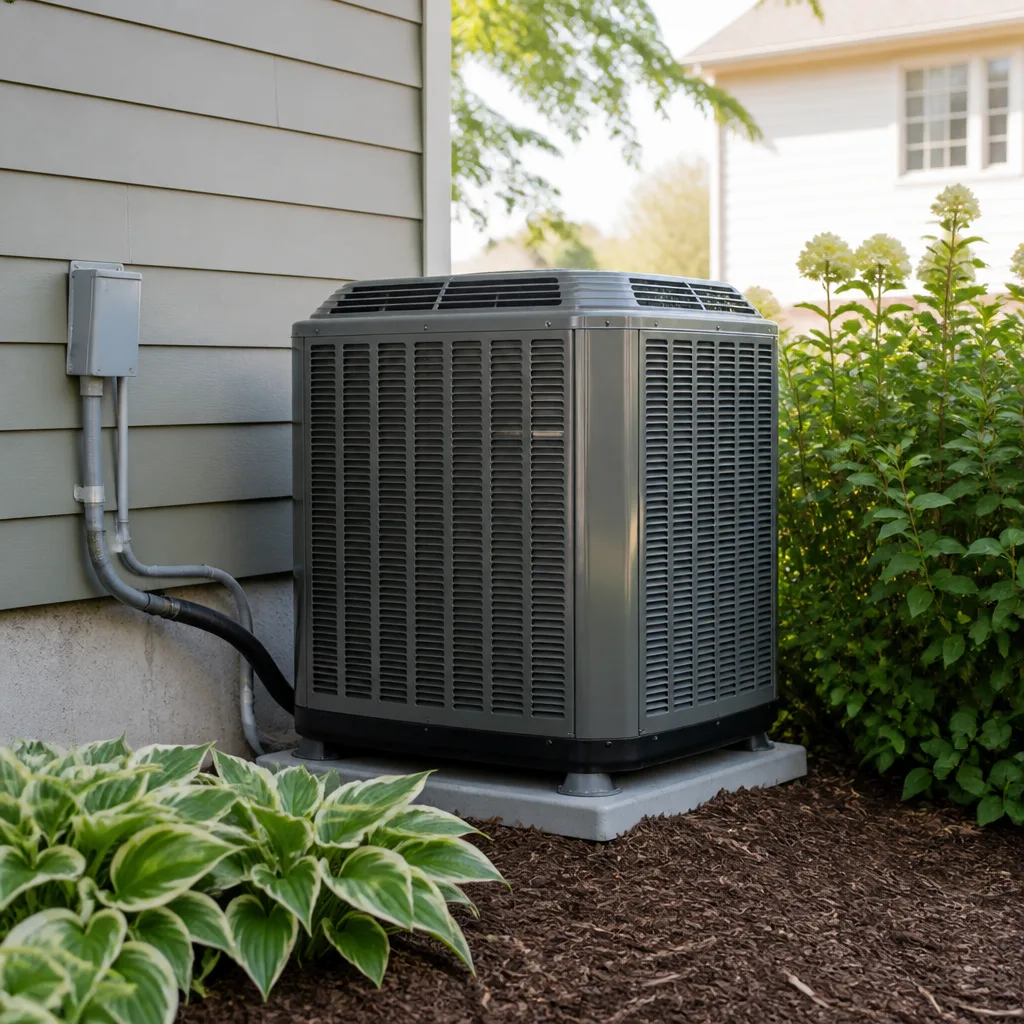 Trane
Trane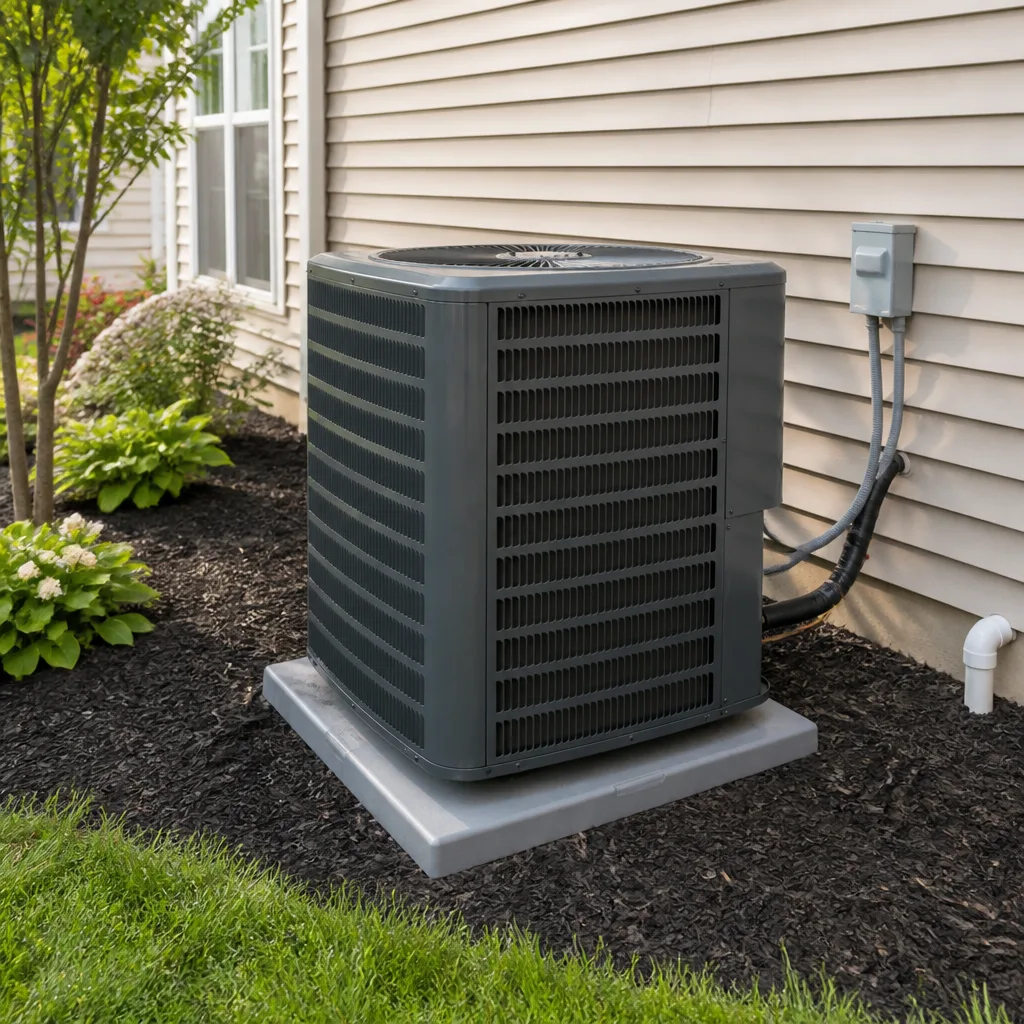 Goodman
Seasonal tune-up and full diagnostic on your Carrier, Trane, or Goodman system - readings shown to you before any repair is proposed
Diagnosis first, numbers second - you approve the repair price before a single part goes in.
Get your free estimateHVAC Permits, Codes & Inspections in NY: What You Need to Know
An open, unpermitted HVAC installation killed a home sale in Hempstead last year at closing. The buyer’s attorney flagged it during the title search. The seller had to escrow $8,000 for remediation before the deal could move. The contractor who did the original work was nowhere to be found, and the homeowner had no recourse because no permit was ever pulled. Permits exist partly to protect you from that exact scenario. This guide breaks down how New York’s layered permitting stack actually works in Nassau County, what it costs, what happens when work is done without one, and how to make sure your project is clean from day one. For more guides & resources, visit our blog.
Styles & brands we work with
Quick Answer
In Hempstead and across Nassau County, most HVAC replacements, new installations, and duct modifications require a permit from the Town of Hempstead Building Department before work begins. Like-for-like repairs – swapping a capacitor, replacing a contactor, changing a filter – generally do not. A permitted HVAC job in Nassau County typically costs between $150 and $500 in permit fees depending on the scope and equipment type. The contractor you hire should pull the permit, schedule the inspection, and provide you with a certificate of completion when the work passes. Review our AC Repair Maintenance Checklist for Hempstead Homeowners to stay ahead of issues.
Table of Contents
- Which HVAC Projects Require a Permit in Nassau County
- The Town of Hempstead Building Department Permit Process, Step by Step
- How New York’s Energy Conservation Construction Code Affects Your Equipment Choices
- Who Pulls the Permit: Contractor vs. Homeowner Responsibility
- What Happens When HVAC Work Is Done Without a Permit
- What It Costs to Permit Correctly vs. Remediate Later
- Common Mistakes to Avoid
- When to Call a Professional
- Frequently Asked Questions
- The Bottom Line
Which HVAC Projects Require a Permit in Nassau County
Nassau County doesn’t have a single countywide HVAC permit. Each town, city, and incorporated village runs its own building department with its own application forms, fee schedules, and inspection workflows. In Hempstead, the Town of Hempstead Building Department in Uniondale has jurisdiction over most of the town’s unincorporated areas. Incorporated villages within the town – like Garden City, Rockville Centre, and Freeport – often have their own building departments with slightly different requirements.
Here’s what generally requires a permit in Hempstead:
- New furnace or boiler installation – any time a new heating unit is put in, whether it’s a first-time install or a replacement.
- New central air conditioning installation – including condenser, evaporator coil, and line set work.
- Heat pump installation – including ducted and ductless mini-split systems.
- Ductwork modification – adding new runs, reconfiguring existing duct, or installing new supply and return plenums.
- Gas line work – any addition or modification to gas piping serving HVAC equipment requires a separate plumbing permit and a gas pressure test.
- Electrical service changes – if your new HVAC system requires an electrical panel upgrade or a new circuit, the electrical portion needs its own permit.
Here’s what typically does not require a permit:
- Like-for-like component repairs – replacing a capacitor, contactor, control board, blower motor, or igniter on an existing system.
- Filter replacements – swapping out air filters, including media cabinets.
- Thermostat replacement – swapping a standard thermostat for a smart thermostat on an existing system.
- Refrigerant recharge – topping off refrigerant on a system that’s low but otherwise functional.
- Condensate drain cleaning or repair – clearing clogs or replacing a section of PVC condensate line.
One nuance that trips up Hempstead homeowners: a repair can turn into a permit-required job mid-stream. If a technician opens up your furnace for what started as a simple repair and finds the heat exchanger is cracked, replacing that unit now requires a permit. The rule of thumb: if equipment is being swapped out, not just repaired, you need a permit. Any furnace repair in Hempstead that involves full unit replacement crosses that line.
The Town of Hempstead Building Department Permit Process, Step by Step
The Town of Hempstead Building Department is located at One Washington Street in Uniondale. The permitting process for HVAC work follows a consistent sequence. Here’s how it works, in order:
- Application submission. The contractor or homeowner submits a building permit application with a description of the work, equipment specifications, and a site plan showing where outdoor units will sit. For gas-fired equipment, a gas piping plan is often required by the plumbing division.
- Plan review and fee payment. The department reviews the application for code compliance. For simple replacements, review is often same-day. For more complex work – new construction, load calculations, multiple systems – review can take one to two weeks. Fees are paid at this stage, typically ranging from $150 to $500 for residential HVAC work.
- Permit issuance. Once approved and paid, the permit is issued. The permit must be posted at the job site – usually in a front window or on the front of the house – and remain visible through final inspection.
- Rough inspection. For work that includes duct installation, gas piping, or electrical, a rough inspection happens before walls are closed up. The inspector checks that ductwork is properly sealed and supported, gas pipe is sized correctly, and electrical is to code.
- Final inspection. After the equipment is installed and operational, the inspector returns to confirm the system is installed to the approved plans, the outdoor unit meets clearance and anchoring requirements, and the system operates correctly. In Hempstead, outdoor condenser placement matters – minimum distances from property lines and the need for a level pad or stand are common inspection points.
- Certificate of completion or compliance. When the final inspection passes, the building department issues a certificate of completion. This is the document you’ll want in your files when you sell the home. It proves the work was permitted, inspected, and signed off.
Timing varies by season. In July and August, when AC replacements spike across Hempstead and Levittown, inspection scheduling can run three to five business days behind. Our Seasonal HVAC Care for Hempstead: Year-Round Homeowner’s Guide explains how to plan around peak demand. In the shoulder seasons, inspectors can often schedule within 48 hours. Factor this into your project timeline.
How New York’s Energy Conservation Construction Code Affects Your Equipment Choices
New York State’s Energy Conservation Construction Code, or ECCC, is the statewide minimum energy standard for construction and renovation. It’s based on the International Energy Conservation Code with New York-specific amendments. Nassau County municipalities, including the Town of Hempstead, enforce the ECCC during permit plan review and inspection.
What the ECCC actually means for your equipment:
- Minimum SEER2 for central AC: New York requires a minimum SEER2 (Seasonal Energy Efficiency Ratio, second edition) of 14.3 for split-system air conditioners in the northern climate zone. Systems installed in 2025 and beyond must meet this threshold. Older systems with SEER ratings of 10 or 13 can no longer be installed new.
- Minimum AFUE for furnaces: Gas furnaces installed in New York must meet a minimum AFUE (Annual Fuel Utilization Efficiency) of 90%. That means condensing furnaces, not the 80% efficient models that were standard for decades. This single requirement changes what equipment gets installed, what venting is required, and what the job costs.
- Heat pump requirements: For ducted heat pumps, minimum HSPF2 (Heating Seasonal Performance Factor) requirements apply. For cold-climate heat pumps, New York offers additional incentives through NYSERDA, and some programs require specific efficiency tiers. A heat pump installation in Hempstead that qualifies for NYSERDA rebates will need to meet documentation standards beyond the building permit alone.
- Duct leakage testing: For new ductwork, the ECCC requires either a duct leakage test or a visual inspection with specific sealing standards depending on the project scope. This is one of the most commonly missed requirements in Nassau County – and one of the most common inspection failures we see in Hempstead homes.
The practical takeaway: if your contractor is proposing equipment that doesn’t meet the AFUE 90% or SEER2 14.3 minimums, that equipment can’t be legally permitted in Hempstead. Walk away from that bid. Reputable installers across Nassau County – including the crews we work with at Dalton Heating & Air Hempstead home – won’t quote equipment that fails the ECCC minimum. Brands like Carrier, Trane, and Lennox all make condensing furnaces and high-SEER2 AC units that clear the bar without issue. American Standard’s line is similarly compliant across the board.
Who Pulls the Permit: Contractor vs. Homeowner Responsibility
The person named on the permit application is legally responsible for completing the work to code and calling for the required inspections. In Hempstead, that means the question of who pulls the permit is not just administrative – it’s legal liability.
What you should know:
- A licensed contractor should pull the permit in their name. When a licensed, insured HVAC contractor pulls the permit, they carry the code compliance liability. If the work fails inspection, they fix it. If there’s a problem discovered after close-out, the permit trail points to them.
- If the homeowner pulls the permit, the homeowner is the general contractor. In New York, a homeowner can pull their own permit for work on a single-family owner-occupied home. But doing so makes you the responsible party for code compliance, scheduling inspections, and fixing any failures. If the work is done wrong and the contractor is long gone, that’s on you.
- Some contractors ask the homeowner to pull the permit. This is a warning sign. It shifts liability off the contractor and onto you. The reason is almost always that the contractor is not licensed in the Town of Hempstead or doesn’t want the inspection scrutiny. Legitimate contractors pull their own permits every time.
- Confirm permit responsibility in writing. Every quote you get for HVAC work in Hempstead should state in writing who will obtain the permit, who pays the permit fee, and who schedules the inspections. A verbal promise is not enough.
- Ask for the permit number before work starts. If work begins without an issued permit number, the job is effectively unpermitted. You can verify a permit through the Town of Hempstead Building Department.
Our standard at Dalton Heating & Air is that the permit is pulled in our name, the fee is itemized on your written quote before any work begins, and we schedule every inspection. That is what AC repair in Hempstead work that involves replacement should look like – and what any replacement or installation quote you get should include as a line item.
What Happens When HVAC Work Is Done Without a Permit
Unpermitted HVAC work is the most common title-search problem we hear about from Hempstead homeowners who are selling. See HVAC Warning Signs: A Hempstead Homeowner’s Reference Guide for other red flags to watch for. Here’s the chain of events, in the order it typically unfolds:
- No permit is pulled. The work gets done, the system works, everyone moves on. For years, nothing happens.
- The home goes on the market. A buyer makes an offer. The buyer’s attorney runs a title search, which includes a municipal search of open and closed building permits.
- The title search finds a problem. Either the HVAC work doesn’t appear in the permit history at all, or there’s an open permit that was never closed out. Both are red flags to the buyer’s attorney.
- Escrow or remediation. The buyer demands the seller escrow money to cover the cost of legalizing the work – pulling a retroactive permit, having the work inspected, and fixing anything that doesn’t meet current code. In Hempstead, that escrow amount commonly runs between $5,000 and $10,000. Some deals fall apart entirely.
- Insurance denial risk. If a fire, gas leak, or other loss traces back to unpermitted HVAC work, the homeowner’s insurance company can deny the claim on the grounds that the work was done illegally. We’ve seen this exact scenario discussed in claim disputes, not just the sale context.
The irony is hard to miss. The marginal savings of skipping a permit – maybe $200 to $500 on a typical Hempstead residential job – turns into thousands in remediation escrow or a full-blown insurance claim denial. The permit is the cheapest insurance on the job.
What It Costs to Permit Correctly vs. Remediate Later
Here’s the straightforward math, based on typical residential HVAC work in Hempstead:
- Permitting a furnace replacement correctly: $150 to $300 in Town of Hempstead permit fees, plus any plumbing or electrical sub-permits if gas piping or wiring changes are involved. Total typical cost, including the contractor’s filing time: $200 to $500.
- Permitting an AC or heat pump installation correctly: $150 to $350, depending on whether a new circuit or panel work is required. With electrical sub-permit: $250 to $500.
- Remediating unpermitted work at sale: $5,000 to $10,000 in escrow is common in Hempstead for HVAC that was installed without a permit and discovered at closing. That covers the retroactive permit, engineering review if required, code-upgrade work if the original install is not compliant, and inspection fees – all at the seller’s cost, on the buyer’s timeline.
- Insurance claim denial: If unpermitted work causes a loss, the financial exposure isn’t $5,000 or $10,000. It’s the full cost of the damage, out of pocket. A chimney fire tied to an unpermitted furnace flue, for example, can easily exceed $30,000 in repairs.
The gap between what it costs to permit correctly and what it costs to fix the problem later is wider than most Hempstead homeowners realize. In our experience, the remediation path also tends to surface other code issues – ductwork sealed wrong, gas pipe undersized, condensate drains run to the wrong place – that all have to be corrected at the same time.
Common Mistakes to Avoid
- Skipping the permit to save money on a replacement. The savings is a few hundred dollars. The exposure is a five-figure escrow at sale or a denied insurance claim. This is the most expensive shortcut in residential HVAC, full stop.
- Assuming a like-for-like replacement never needs a permit. Even if you’re putting the same-size furnace back in the same spot, the installation still requires a permit in the Town of Hempstead. The code also changed since your old unit was installed – the new 90% AFUE minimum alone often requires venting changes.
- Accepting a quote that doesn’t itemize the permit fee. A quote that’s missing the permit line item is a quote from a contractor who doesn’t plan to pull one. In Hempstead, that’s a dealbreaker. Ask for the permit number before the crew arrives.
- Letting the contractor use your permit account as the homeowner. This shifts legal liability onto you. If the project fails inspection – or if the work is unsafe and something goes wrong – you’re the named responsible party.
- Not verifying the certificate of completion after final inspection. A permit that’s issued but never closed out is almost as bad as no permit at all at title time. Open permits retain the same red flag in a title search. Get the certificate and keep it with your house records.
- Ignoring the ECCC minimums when choosing equipment. Equipment that doesn’t meet SEER2 14.3 or AFUE 90% can’t be legally permitted. If a bid looks too good to be true, check the efficiency ratings – this is often where the corner was cut.
- Skipping the gas line sub-permit. In Nassau County, gas piping work for a new furnace or boiler requires a plumbing permit in addition to the building permit. Missing this sub-permit is a common inspection failure and a common title-search flag.
When to Call a Professional
If you’re replacing a furnace, installing central AC or a heat pump, relocating an outdoor condenser, or modifying ductwork – any project that crosses the permit threshold – this is not a DIY situation and not a handyman job. A state-licensed HVAC contractor with a Town of Hempstead contracting license can pull the permit, complete the work to code, schedule the inspections, and deliver the certificate of completion. If you’re selling a home and discover HVAC work with no permit history, call a licensed contractor before your listing goes live; legalizing the work proactively costs far less than an escrow hold at closing. Dalton Heating & Air Hempstead offers free estimates in Hempstead – call (516) 559-4840 and we’ll put the scope, the permit fee, and the total price in writing.
Frequently Asked Questions
Yes. A furnace replacement in the Town of Hempstead requires a building permit, and gas piping work associated with the replacement typically requires a plumbing sub-permit. The permit should be pulled by your contractor, in their name, before the old unit comes out. Call (516) 559-4840 for a quote that includes the permit fee as a line item.
Residential HVAC permit fees in Hempstead generally run between $150 and $500 depending on the scope, the equipment type, and whether electrical or plumbing sub-permits are required. The fee is paid at the time of application, and it should be itemized on your written quote.
A homeowner can pull their own permit for work on a single-family owner-occupied home, but doing so makes the homeowner the responsible party for code compliance and inspection scheduling. In practice, a licensed contractor should pull the permit in their name so that the liability sits with the professional doing the work.
It often surfaces during the buyer’s title search, which flags both missing permits and open permits that were never closed out. The buyer typically demands the seller escrow $5,000 to $10,000 for remediation, or the deal falls apart. The escrow amount in Hempstead we’ve seen most recently was $8,000.
Yes. Ductless mini-split and ducted heat pump installations both require building permits in the Town of Hempstead, and the electrical circuit for the outdoor unit requires an electrical sub-permit. NYSERDA rebate eligibility also requires proper permitting documentation.
The building permit authorizes the work before it starts. The certificate of completion is issued after the final inspection passes and certifies that the work was done to code. Both appear in the property’s permit history, and the certificate is the document you’ll want at closing.
The Bottom Line
HVAC permitting in New York is not one unified system – it’s a layered stack of the state’s Energy Conservation Construction Code, Nassau County’s sub-permit structure, and the Town of Hempstead’s own building department workflow. The cost to do it right, including permit fees, is typically a few hundred dollars on a residential job. The cost to fix it later – escrow at closing, retroactive permits, code remediation, or a denied insurance claim – routinely runs into five figures. The permit is the cheapest insurance you’ll ever buy on your heating and cooling system. In Hempstead, the process is established and navigable. A licensed contractor who pulls the permit in their own name and hands you a certificate of completion at the end has done the job completely.
Written by Marco Benitez, Owner at Dalton Heating & Air Hempstead, serving Hempstead since 2003.
See the difference
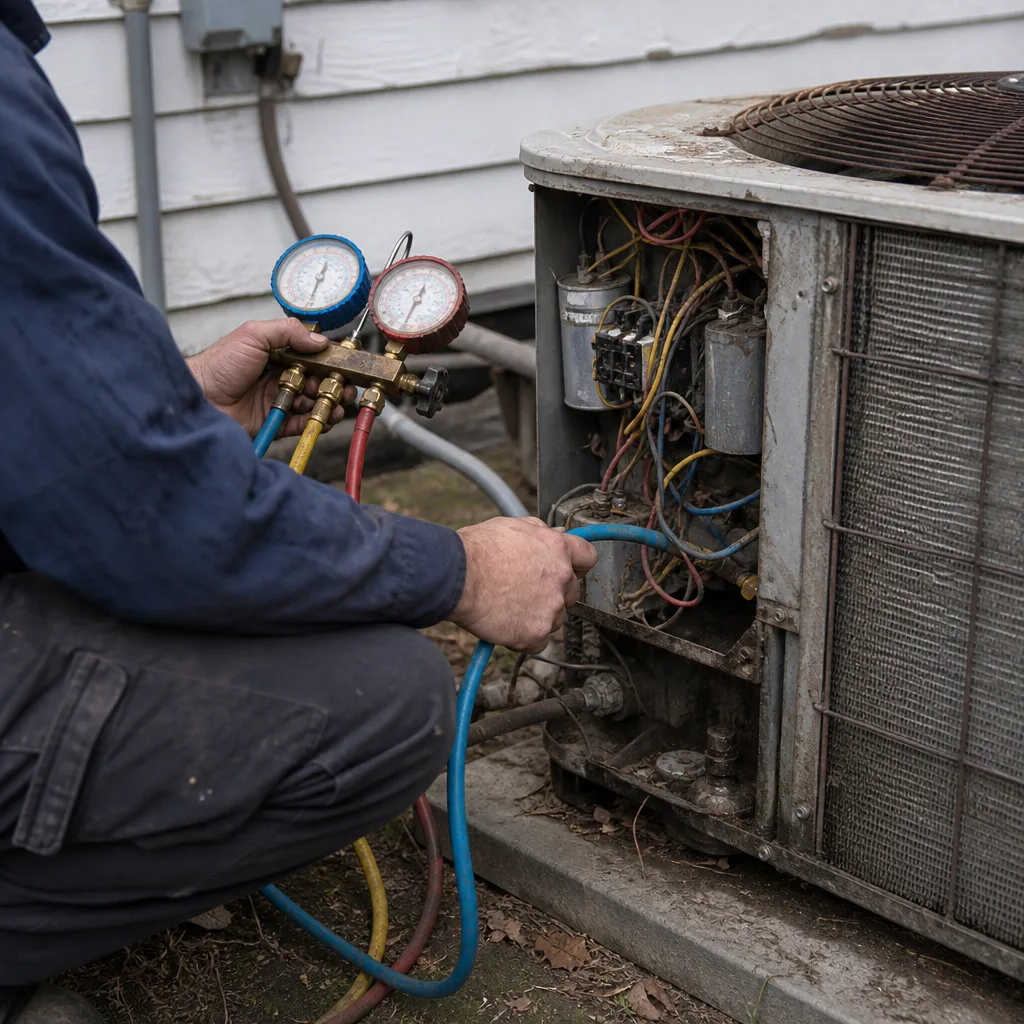 Before
 After
After Before
 After
After Before
 After
After