
Last updated October 16, 2026
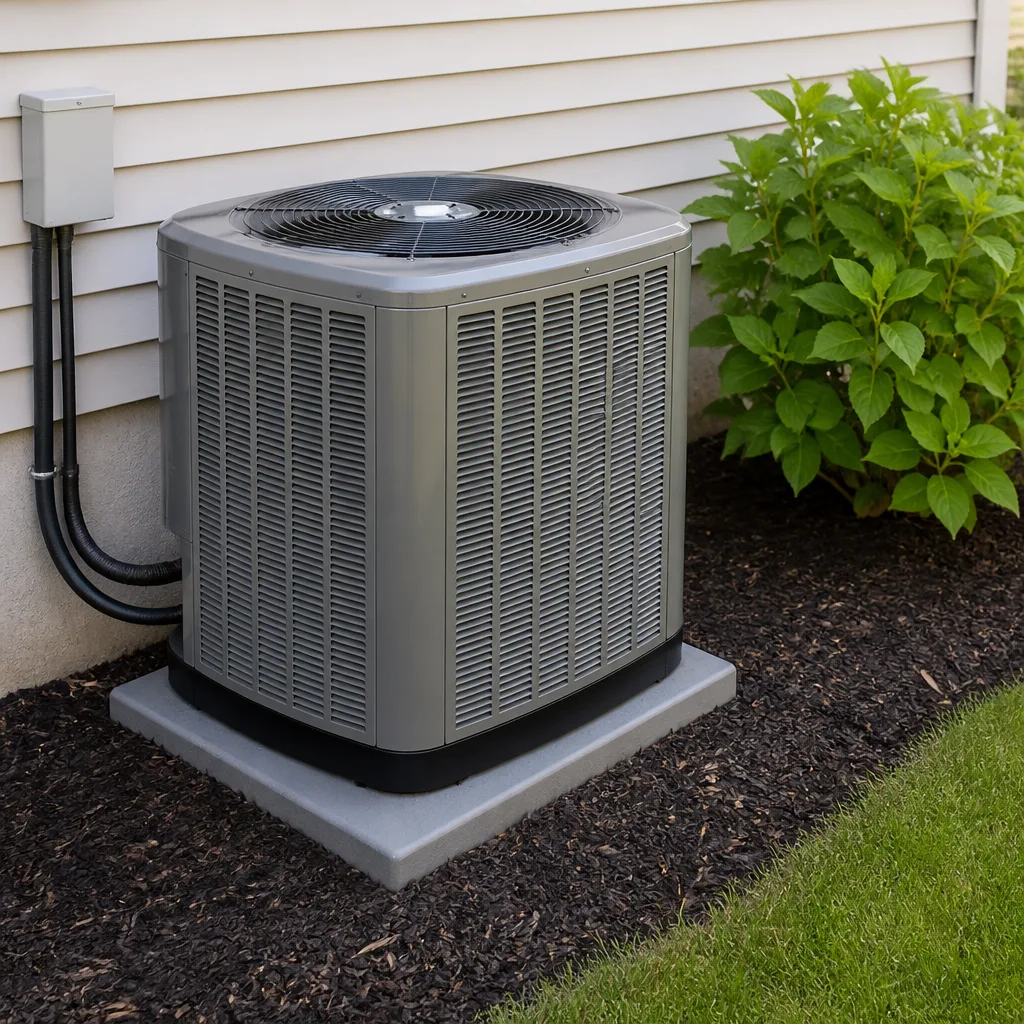 AC repair
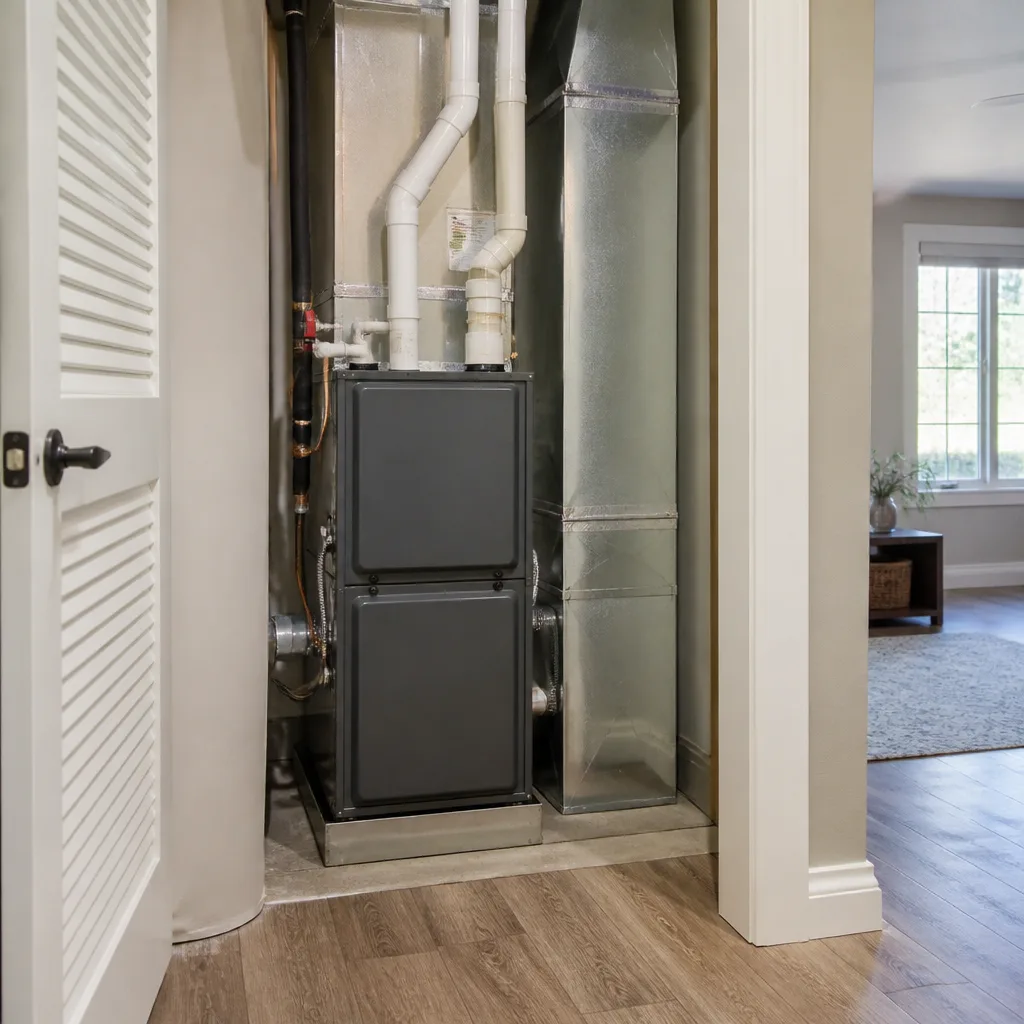 Furnace & heating
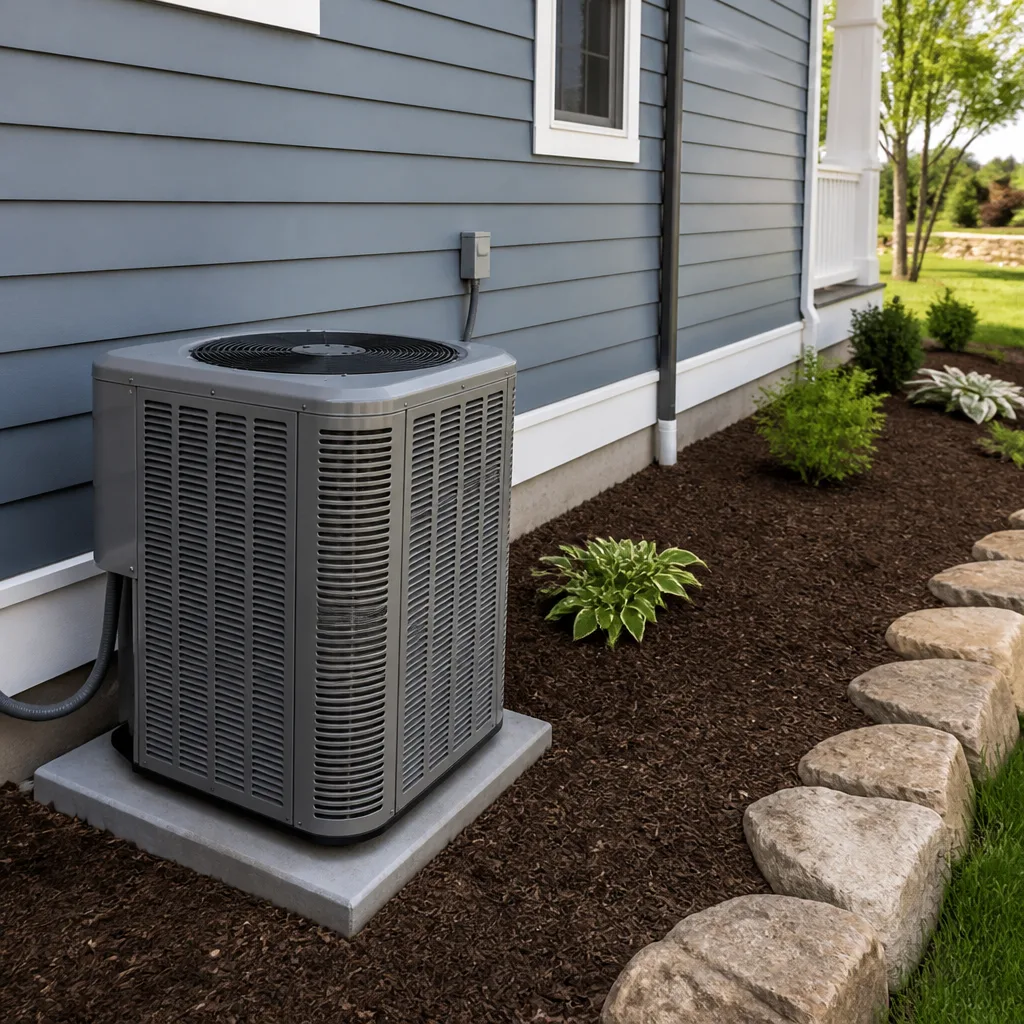 Heat pumps
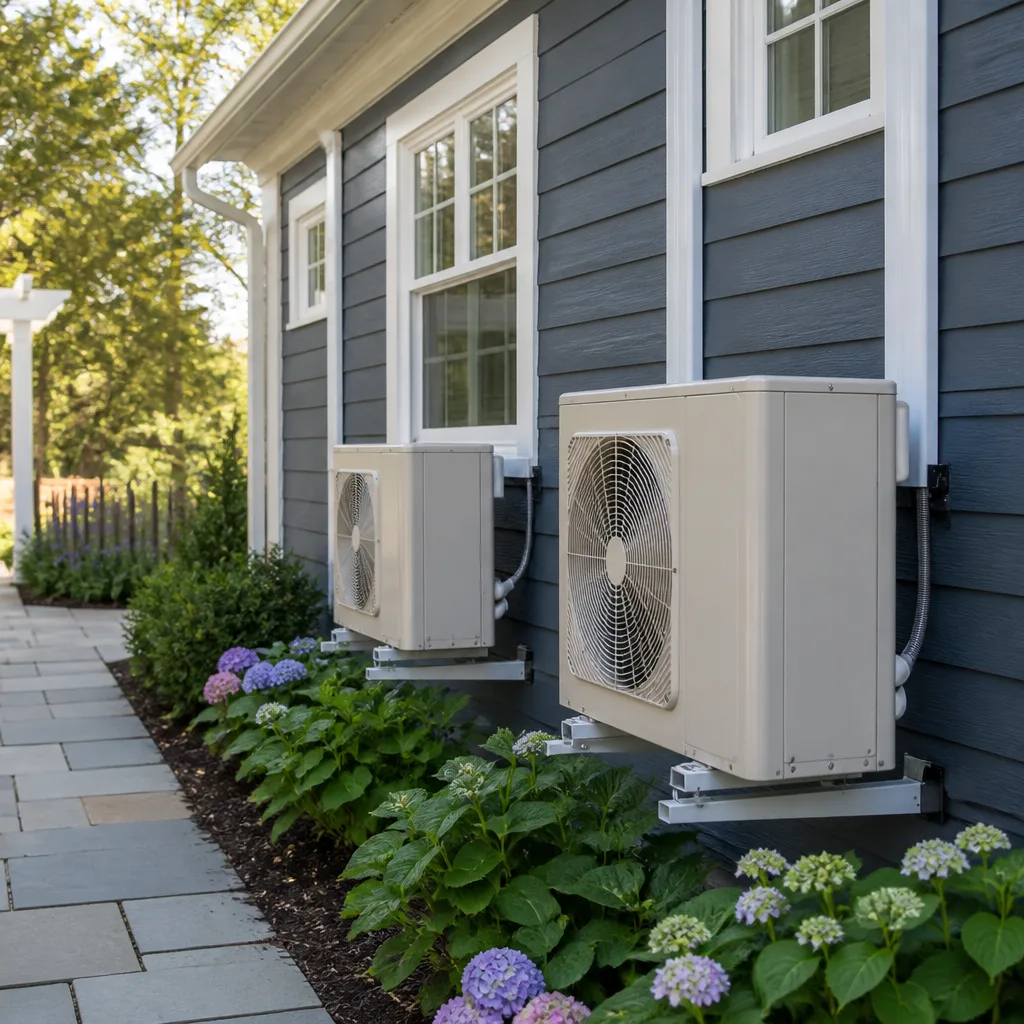 Ductless mini splits
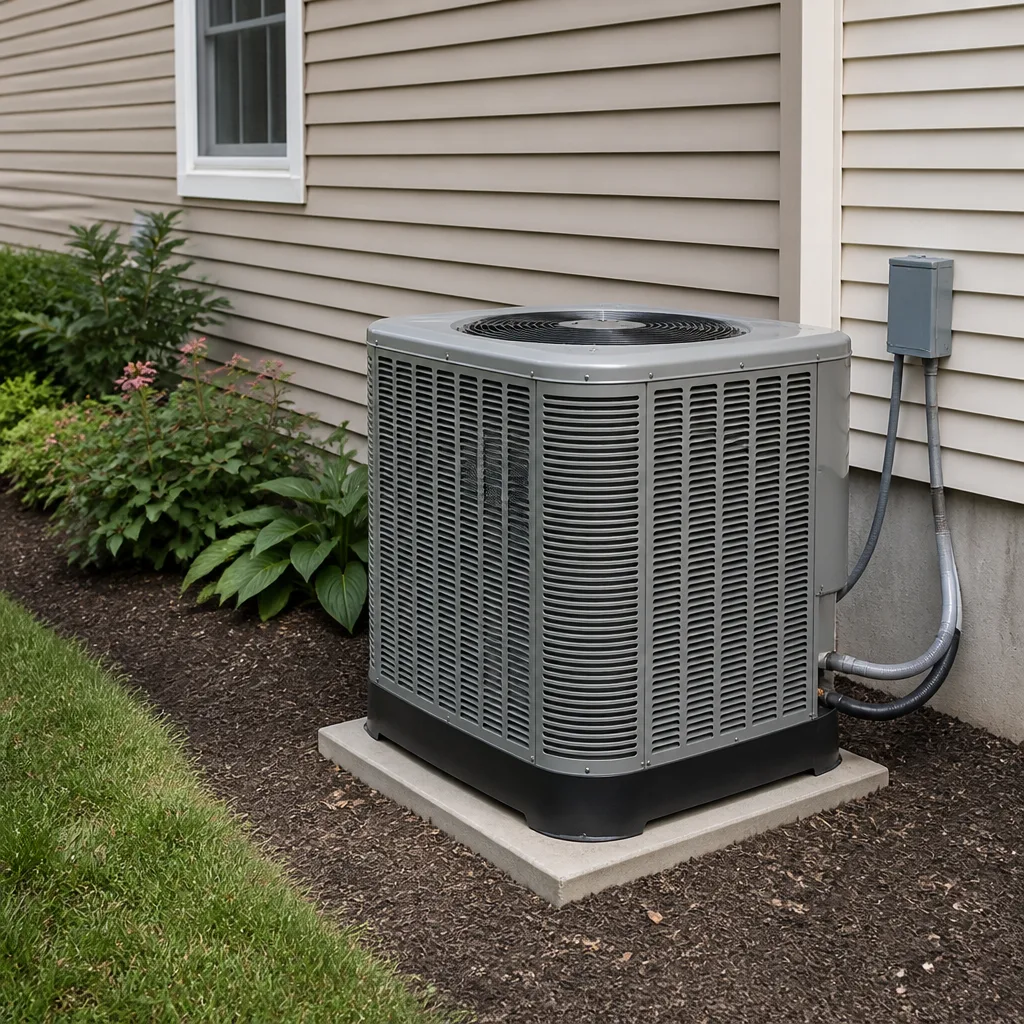 Carrier
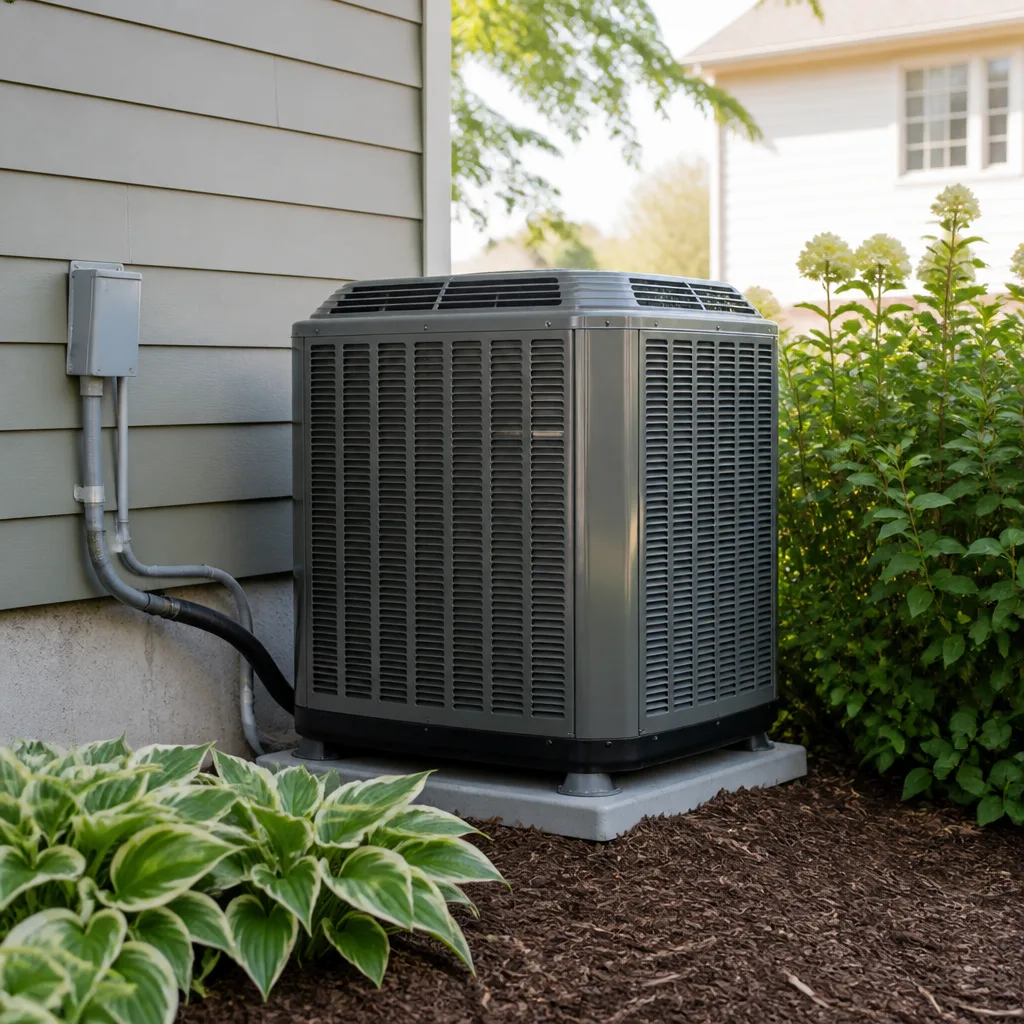 Trane
Trane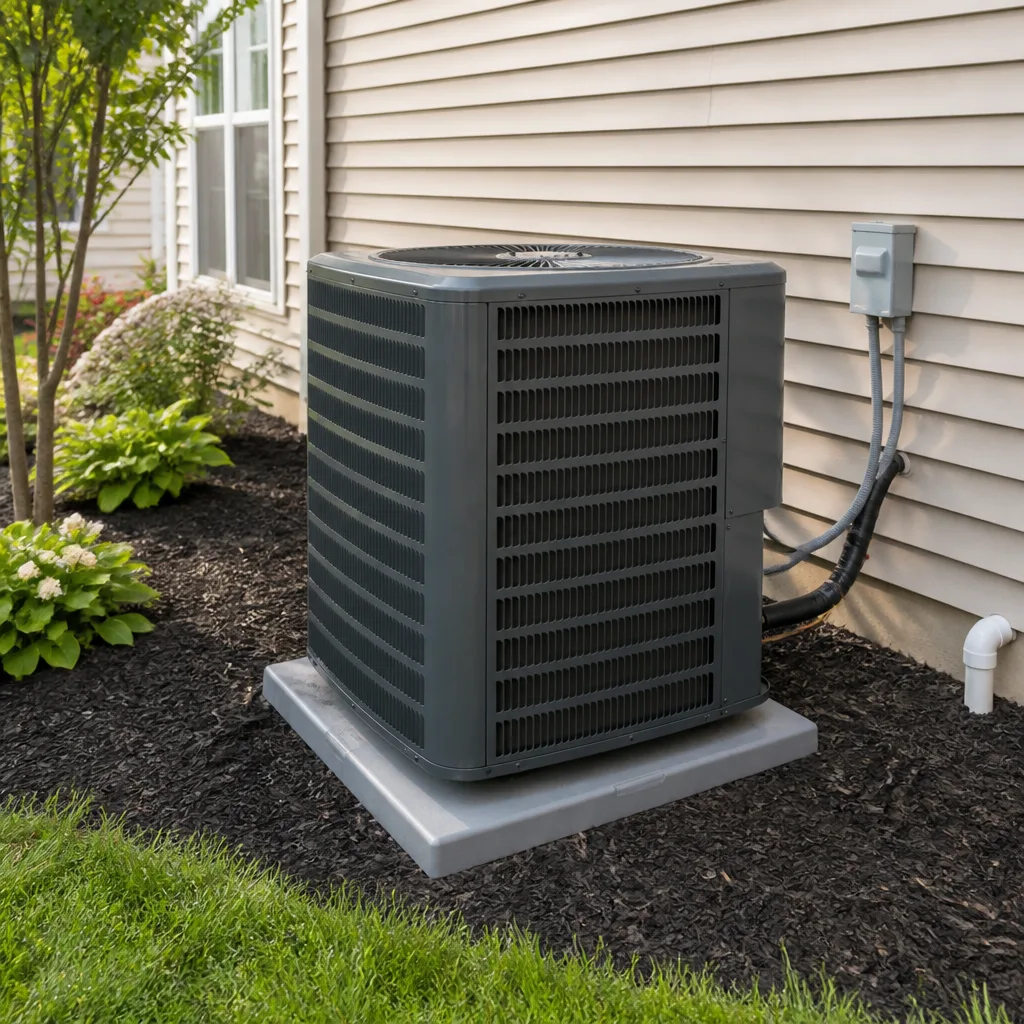 Goodman
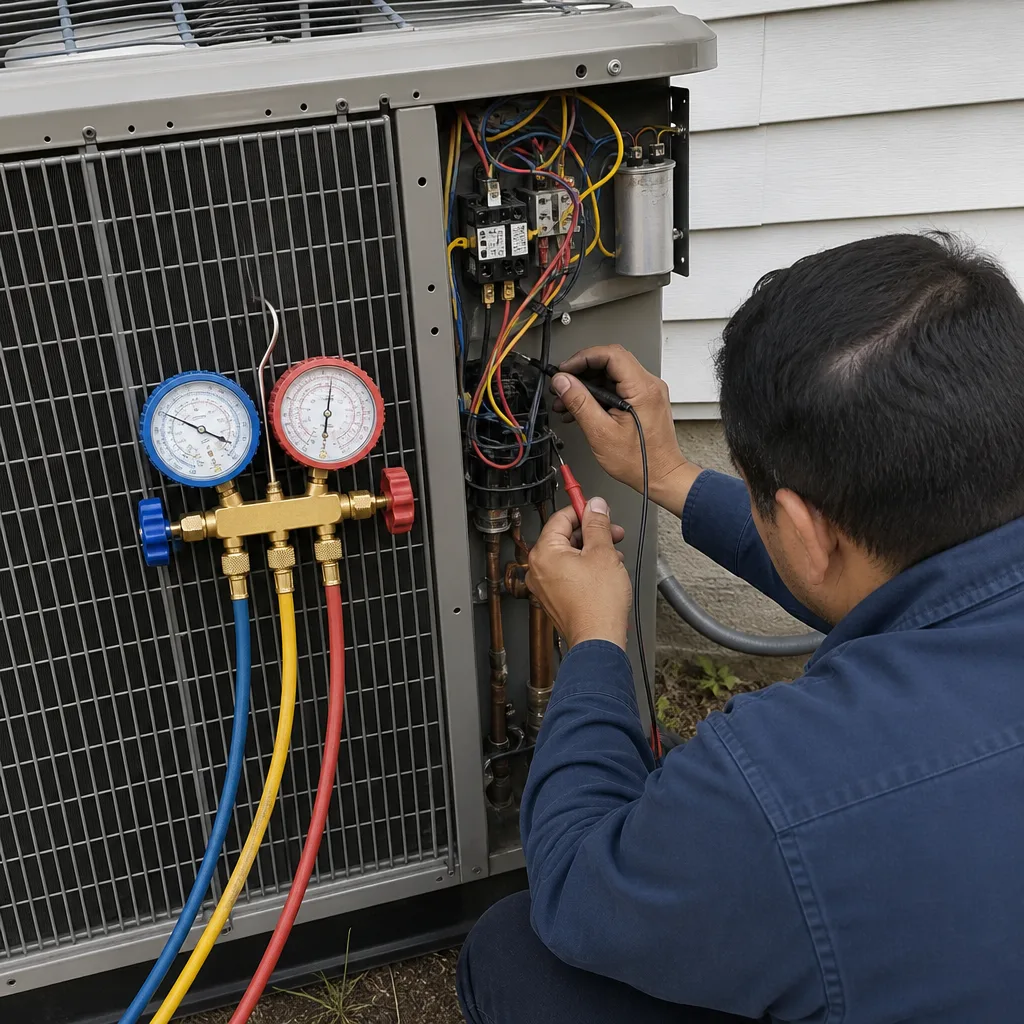
Seasonal tune-up and full diagnostic on your Carrier, Trane, or Goodman system - readings shown to you before any repair is proposed
Diagnosis first, numbers second - you approve the repair price before a single part goes in.
Get your free estimateSeasonal HVAC Care for Hempstead: Year-Round Homeowner’s Guide
Hempstead averages just over 50 inches of rainfall a year and sits close enough to the Atlantic that outdoor humidity regularly tops 80% from July through August. That moisture load forces your cooling system to work as a dehumidifier as much as a cooler. A unit tuned only around temperature will fail at both jobs when the real Hempstead summer arrives. This guide walks through what to do in each season, why the timing matters here specifically, and how to avoid the four-figure repair bills that follow neglected equipment. For The Complete Guide to HVAC in Hempstead, see our main resource page.
Styles & brands we work with
Quick Answer
Seasonal HVAC care in Hempstead means a specific sequence each year: schedule AC service in April before the summer backlog, watch for moisture-overload symptoms on the hottest days, get your heat exchanger checked by mid-October, and rinse the outdoor coil every spring to remove salt-air film. Our AC Repair Maintenance Checklist for Hempstead Homeowners covers the full routine. Most maintenance calls run $99 to $189, while deferred care commonly turns into $400 to $1,200 repairs.
Table of Contents
- Spring: The April Service Window and What to Check After a Humid Winter
- Summer: Moisture Overload vs. an Undersized AC
- Fall: Heat Exchanger Inspection and the October Deadline
- Winter: Heat Pump Defrost Cycles and Freeze-Thaw Stress
- Year-Round: Salt Air and the Annual Coil Rinse
- The Hempstead Seasonal Maintenance Checklist
- Common Mistakes to Avoid
- When to Call a Professional
- Frequently Asked Questions
- The Bottom Line
Spring: The April Service Window and What to Check After a Humid Winter
In Hempstead, the right month for pre-season AC service is April, not May or June. Here’s why: most Nassau County homeowners schedule cooling checkups in late May or early June, when the first 85-degree day reminds them the system exists. That creates a six-week backlog at most companies. If you call in April, you get your pick of appointment times and a technician who is not rushing to seven other calls.
A Hempstead winter leaves specific residue on equipment. The Atlantic moisture that settles into outdoor units over the winter mixes with road salt and pollen to form a film on condenser coils. That film reduces heat transfer, which raises your electric bill before you ever notice a comfort problem. A proper April service call should include:
- Coil inspection and fresh-water rinse to remove salt and winter grime
- Refrigerant level check measured against the manufacturer’s subcooling chart, not just a “looks fine” glance
- Capacitor testing under load (weak capacitors pass a basic multimeter test but fail when the compressor pulls amps in July)
- Condensate drain flush, especially important after a humid winter where algae has had damp months to grow
- Condensate pump operation check if your unit sits in a basement or crawlspace
- Thermostat calibration and programming review for seasonal shift
Marco Benitez, owner at Dalton Heating & Air Hempstead home, puts it plainly: “Every April we open units in Hempstead and find the same thing – coils thick with salt film and drain lines that need a serious flush. The systems aren’t broken. They’re just trying to breathe through a wet blanket. That’s the whole point of spring service.”
Summer: Moisture Overload vs. an Undersized AC
When a house in Hempstead won’t cool down in August, there are two common causes. One gets fixed with a service call and under $300. The other costs thousands. Knowing the difference before you call saves you from buying equipment you don’t need.
Here’s how to tell them apart:
Moisture-Overloaded System (repair-able)
- The air comes out cold but the house still feels clammy or damp
- Temperature reaches set point but the humidity indoors stays above 60%
- The system runs constantly but the air handler coil is dirty, so it is not removing moisture properly
- Condensate drain is partially clogged, so the unit cycles off on a float switch
- Fix: coil cleaning, drain flush, airflow correction – generally $150 to $350 through a shop like Dalton Heating & Air AC Repair in Hempstead
Undersized System (replacement territory)
- AC runs from mid-afternoon to midnight and cannot get the house below 78 degrees
- Indoor humidity is high AND temperature is high
- The system was always marginal, or square footage was added after original installation
- Load calculation on the home shows the unit is short by half a ton or more
- Fix: a properly sized replacement based on a Manual J load calculation, not a rule-of-thumb guess
The misdiagnosis goes both ways. We’ve seen Hempstead homeowners sold new equipment for what was really a clogged condensate line, and we’ve seen others pour money into repairs on a unit that was undersized from day one. A written load calculation and a coil inspection answers the question in one service visit. That is why the initial diagnostic matters more than the equipment brand.
Fall: Heat Exchanger Inspection and the October Deadline
Nassau County’s first real heating days typically land between mid-October and early November. That means a furnace or boiler heat exchanger inspection should happen by mid-October at the latest. Wait past that and you are starting the heating season with an unexamined component that, when cracked, and even in the mildest cases, is a safety risk.
A heat exchanger is the metal chamber that separates the fire from your breathing air. It lives inside the furnace and transfers heat into the air circulating through your home. Cracks happen because the metal expands and contracts thousands of times a season. A cracked exchanger in Hempstead is doubly serious because that Atlantic humidity drives more runtime from your furnace, which means more thermal cycling.
What a fall inspection should include:
- Visual inspection of the heat exchanger with a camera scope, not just a mirror
- Carbon monoxide test during burner operation, not just a spot-check with a household detector
- Burner flame inspection (a steady blue flame means clean combustion) and gas pressure check
- Inducer motor amperage draw test, since it pulls exhaust through the exchanger
- Flue pipe and venting inspection for corrosion, especially in Hempstead attics exposed to damp winters
- Filter replacement
If the exchanger is cracked, the repair decision is straightforward: the component cost alone typically exceeds the value of an aging furnace. At that point, you are looking at replacement. But the inspection itself catches the problem before it catches you. A furnace repair in Hempstead that happens in October is scheduled and calm. A repair at 9pm on the first single-digit night in January is neither.
Winter: Heat Pump Defrost Cycles and Freeze-Thaw Stress
Hempstead winters are not as brutal as upstate, but freeze-thaw cycles are more stressful than deep cold. A system that freezes, thaws, and refreezes deals with expanding ice in places solid winter cold would leave untouched. That is why outdoor heat pump units here develop specific problems that you would not see in a colder, drier climate.
The key seasonal concern is the defrost cycle. A heat pump running in heating mode develops frost on the outdoor coil when the coil temperature drops below freezing and the air has moisture in it. Hempstead’s damp winter air means frost forms faster here than in drier parts of New York. A properly functioning defrost cycle should trigger every 30 to 90 minutes of runtime, run for 5 to 15 minutes, and then return to heating. During defrost, the unit switches briefly to cooling mode to pump heat through the outdoor coil and melt the ice, and a small burst of steam rises from the unit – that is normal, not a fire.
Signs a defrost cycle needs attention in Hempstead:
- Ice thicker than half an inch stays on the coil for more than 30 minutes
- The unit goes into defrost at night when you are not watching, which locks out on a sensor failure
- Water from defrost pools around the base and refreezes as a slab that blocks airflow
- Defrost board failure, a specific part that fails most often in freeze-thaw climates like Hempstead’s
If you are considering a heat pump for Hempstead, Heat Pump Installation in Hempstead starts with a proper load calculation. The right equipment sized for a coastal, humid climate behaves differently than the same equipment in a dry inland one.
Year-Round: Salt Air and the Annual Coil Rinse
Hempstead sits close enough to the Atlantic that salt-laden air travels on prevailing winds. That salt settles on outdoor condenser coils and, over time, corrodes the aluminum fins. The metal does not need to look visibly rusted to be failing – a thin white film you can barely see is already impairing heat transfer.
The single annual task that meaningfully extends outdoor unit life in Hempstead is a coil rinse with fresh water. A gentle hose-down, not a pressure washer, removes salt film before it pits the aluminum. The coil should be rinsed from the inside out, with the unit off, and then left to dry thoroughly. The whole process takes 10 minutes on a Saturday morning in April and is far more valuable than any spray-on coil cleaner sold at a hardware store.
Over 10 years in this climate, a rinsed coil holds heat transfer efficiency and runs quieter. An unrinsed coil corrodes, loses capacity, draws more amps, and runs hotter. The difference is often visible in the electric bill before it is visible on the coil itself. This is quiet, boring maintenance, and it works.
The Hempstead Seasonal Maintenance Checklist
Here is the full year in one place. Keep it on your phone or taped to the utility room wall.
Spring (April)
- Book AC tune-up before the Memorial Day rush
- Outdoor coil rinse with fresh water
- Condensate drain flush
- Filter replacement
- Check thermostat programming for cooling season
Summer (June – August)
- Monitor indoor humidity with a cheap hygrometer (target: 45 – 55%)
- Clear debris from around the outdoor unit weekly
- Change the filter monthly during peak runtime
- If system runs constantly and cannot reach setpoint, call for a diagnostic before August heat waves
Fall (October)
- Heat exchanger inspection with camera scope and CO test
- Burner flame and gas pressure check
- Filter replacement
- Program thermostat for heating season
- Check and clean return grilles
Winter (November – March)
- Watch heat pump defrost cycles for ice buildup beyond 30 minutes
- Keep outdoor unit clear of snow drifts
- Check condensate line if freezing temperatures persist
- Monthly filter check
Common Mistakes to Avoid
- Closing too many supply vents in unused rooms. This raises static pressure in the ductwork, which forces the blower motor to work harder and can shorten its life. Hempstead split-level homes with long duct runs are especially prone to this.
- Skipping the fall heat exchanger check because “the furnace worked fine last year.” Cracks are invisible and quiet until they are not.
- Using discount pleated filters with a high MERV rating not designed for your system. A 1-inch MERV 13 filter chokes airflow on most residential systems. Match the filter to the blower’s static pressure tolerance, not to the marketing on the box.
- Waiting until June to schedule AC service. The backlog is real, and you get a hurried tech on a 90-degree day rather than a thorough one in pleasant April weather.
- Ignoring a small refrigerant leak because “it cools fine.” A 10% low charge makes the compressor run hotter. That heat is what kills compressors a year or two later.
- Pressure-washing an outdoor coil. High pressure folds the aluminum fins flat and blocks airflow permanently. A garden hose on low pressure is the right tool.
- Setting the thermostat lower to “cool faster.” The system cools at one speed whether the setpoint is 72 or 68. The lower setpoint just makes it run longer. Set it to your target temperature and let it cycle normally.
When to Call a Professional
Call a professional when the system is running but the house won’t reach setpoint, when you smell burning dust on the first heating cycle that doesn’t clear after an hour, when the outdoor unit is coated in ice during cooling season, when you hear a grinding or screeching sound at startup, or when the system trips a breaker more than once. These are specific failure signatures, not “sounds a little off” hunches. Dalton Heating & Air Hempstead home offers free estimates in Hempstead. Call (516) 559-4840 and a live person answers, any hour, any day. We’ll give you a written price before any work starts.
Frequently Asked Questions
Most HVAC companies in Hempstead charge $99 to $189 for a seasonal tune-up that includes coil cleaning, drain flush, and a basic system check. A more thorough inspection with combustion testing and camera scope runs $150 to $250. At Dalton Heating & Air Hempstead, the price is in writing before any work begins, and it does not change at the door. Call (516) 559-4840 for an exact quote.
Yes. Dalton Heating & Air is factory-trained to service Carrier, Trane, Lennox, and Goodman systems, among others. Our techs work on nine major residential brands, so most Hempstead homes are covered.
Every month during peak summer cooling and peak winter heating, and every two to three months during spring and fall. Hempstead’s humidity means the filter catches more airborne moisture and particles than it would in a drier climate. A dirty filter chokes airflow and puts strain on the blower motor.
A refrigerant recharge, which is topping off the cooling fluid your system needs to reach set temperature, typically runs $200 to $400 depending on the refrigerant type and the amount needed. If a leak is found, the repair may add more. Every price at Dalton is given to you in writing before we start work.
For most Hempstead homes, a seasonal maintenance visit pays for itself in reduced runtime and avoids emergency calls. The high humidity means systems here accumulate more biological growth in drain pans and coils than inland systems do. A system that gets a proper April service and October inspection runs fewer hours to do the same job.
Yes. Dalton Heating & Air Hempstead answers the phone with a live person 24 hours a day, 7 days a week. If your furnace dies on the first cold night in January or your AC fails during an August heat wave, call (516) 559-4840 and you’ll speak to someone who can schedule a technician.
The Bottom Line
Hempstead’s coastal humidity and salt air mean HVAC equipment here needs a specific rhythm of care: April coil rinse and tune-up, July moisture monitoring, October heat exchanger check, and year-round attention to defrost cycles and filters. Skip any piece of that and you’re not saving money, you’re borrowing against a future repair that will cost three to ten times more. The work is straightforward. The discipline is the hard part. Built by Marco Benitez at Dalton Heating & Air Hempstead to give Hempstead homeowners a plain-language annual game plan. Browse more guides & resources for year-round HVAC help.
Written by Marco Benitez, Owner at Dalton Heating & Air Hempstead, serving Hempstead since 2003.
See the difference
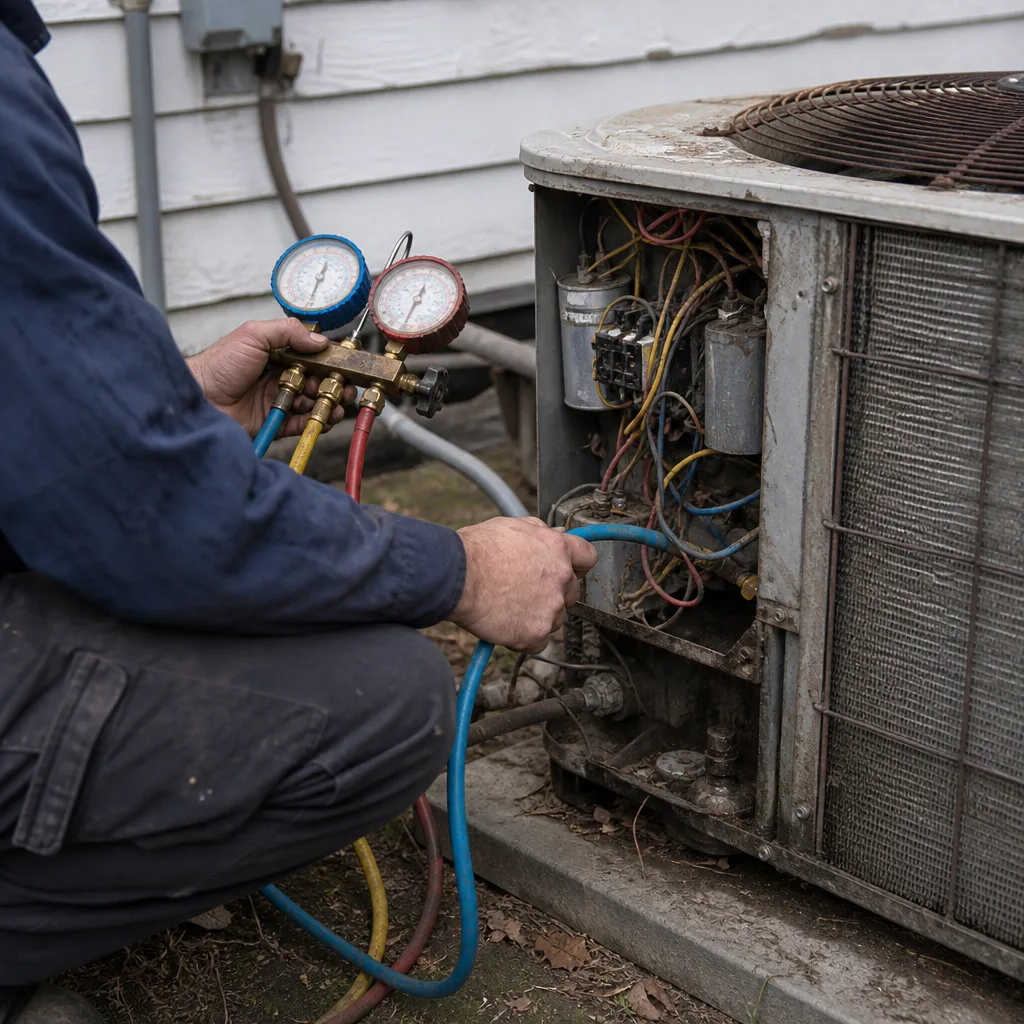 Before
 After
After Before
 After
After Before
 After
After