
Last updated October 16, 2026
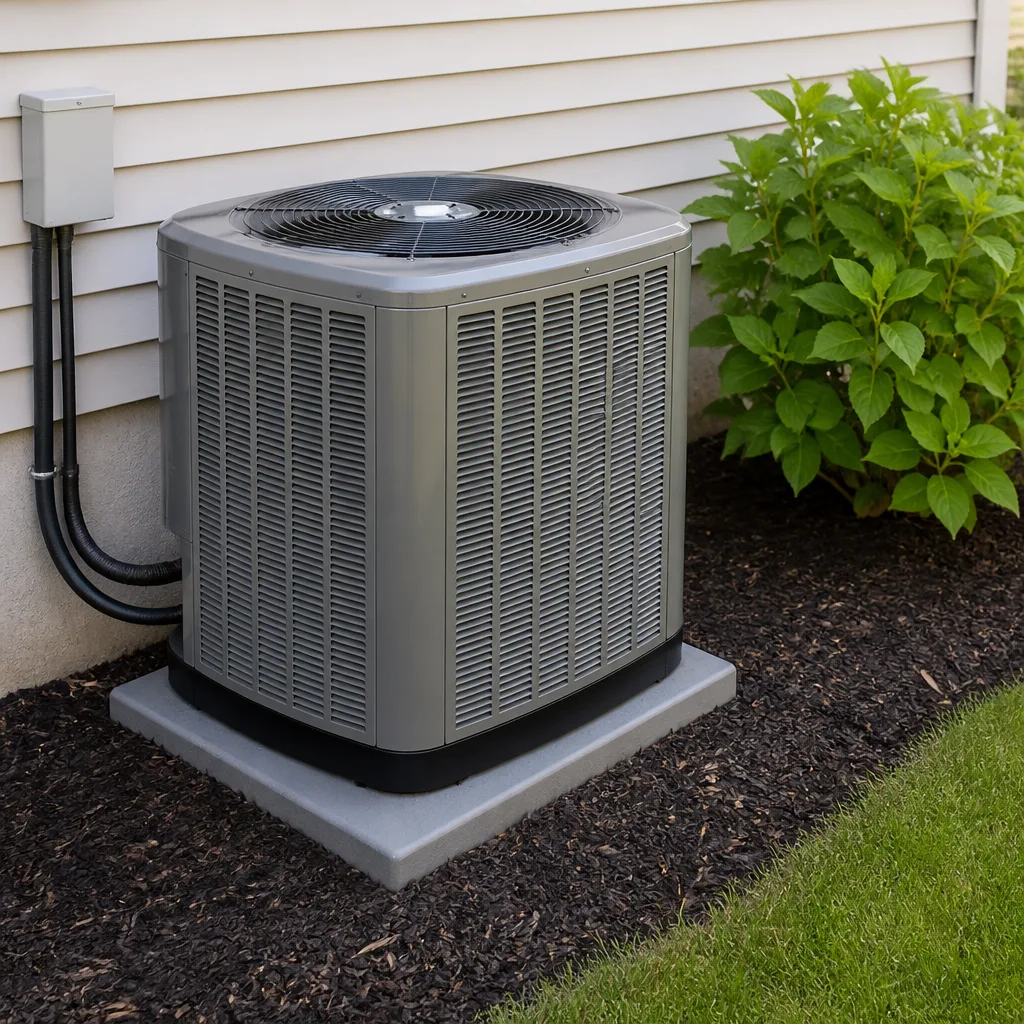 AC repair
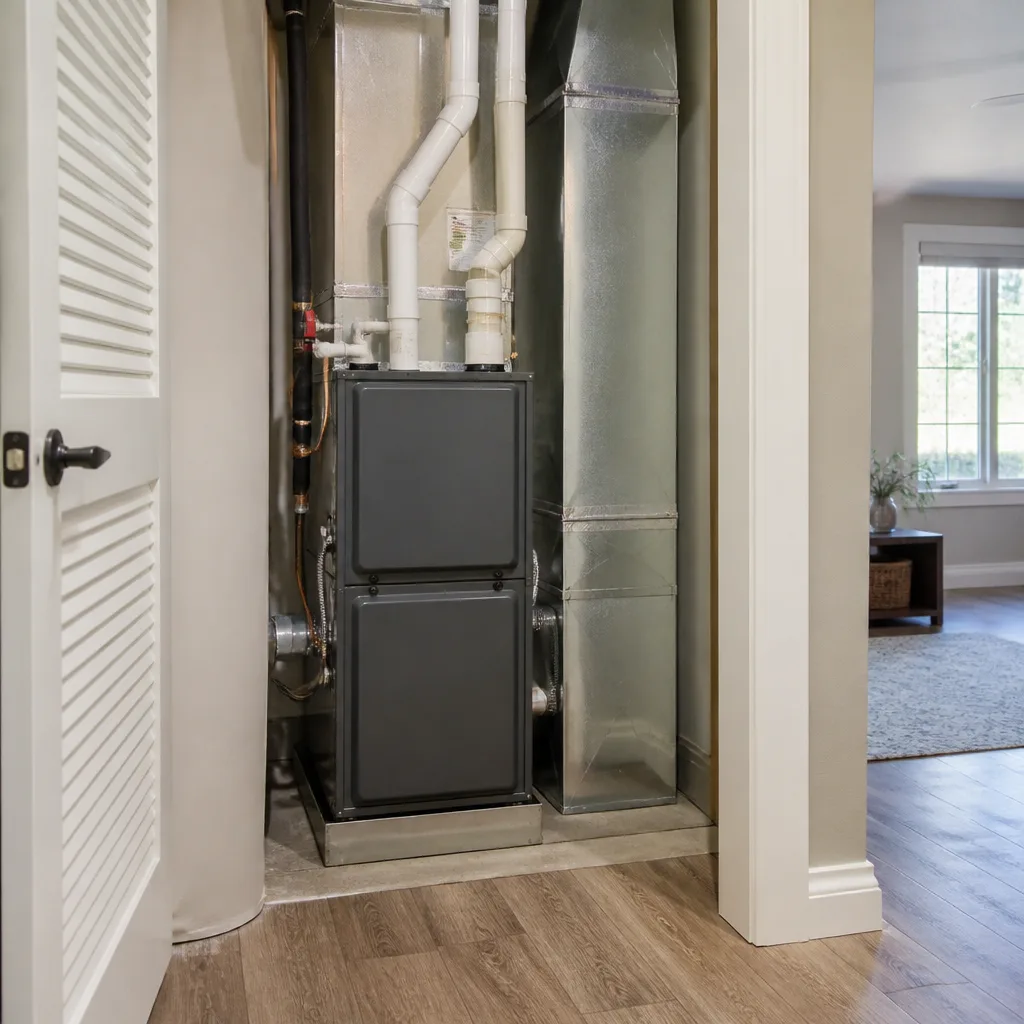 Furnace & heating
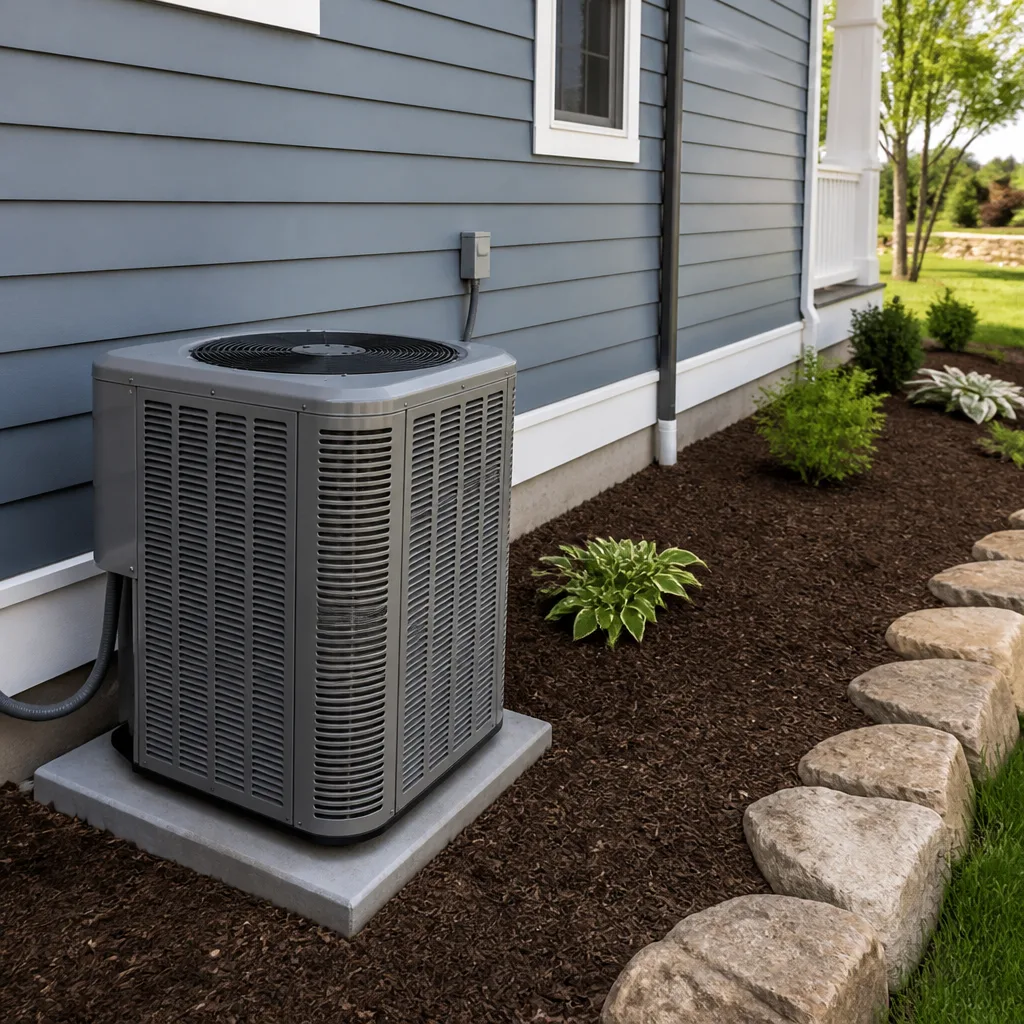 Heat pumps
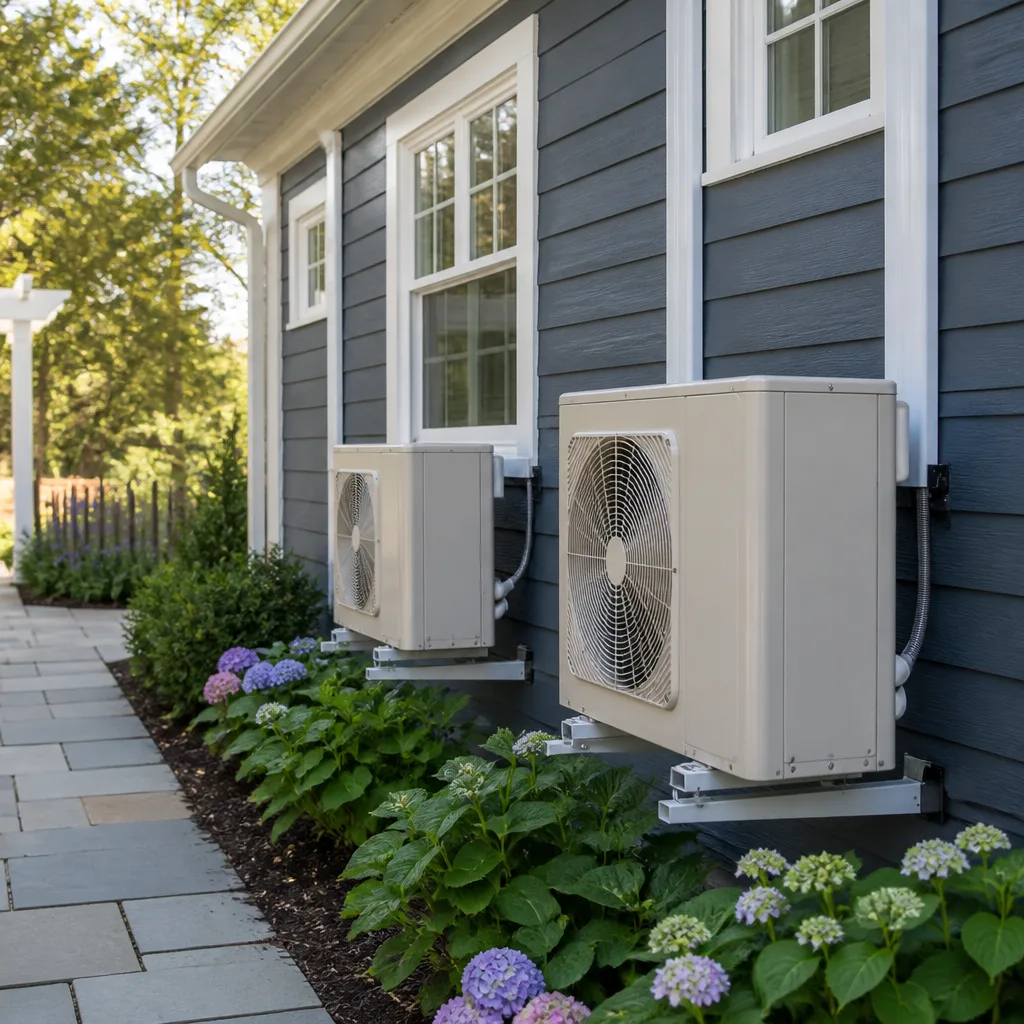 Ductless mini splits
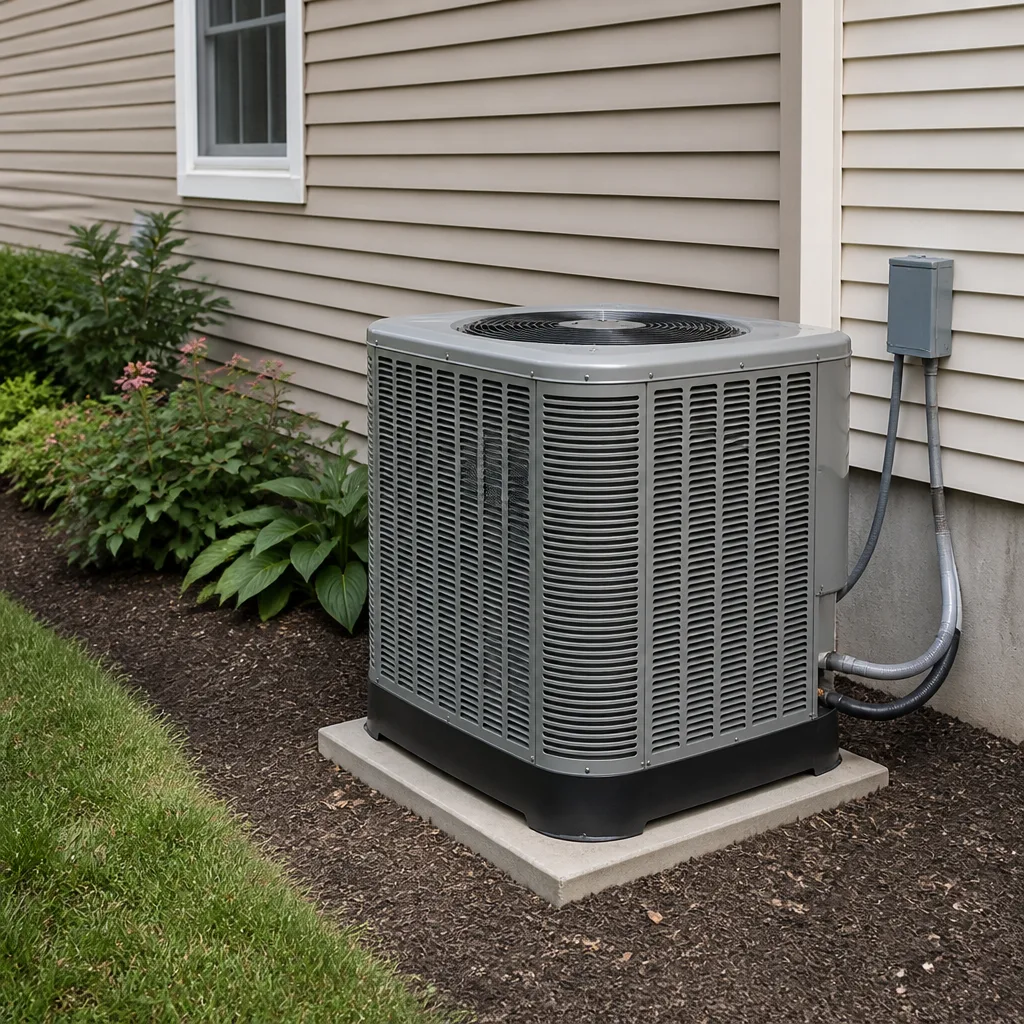 Carrier
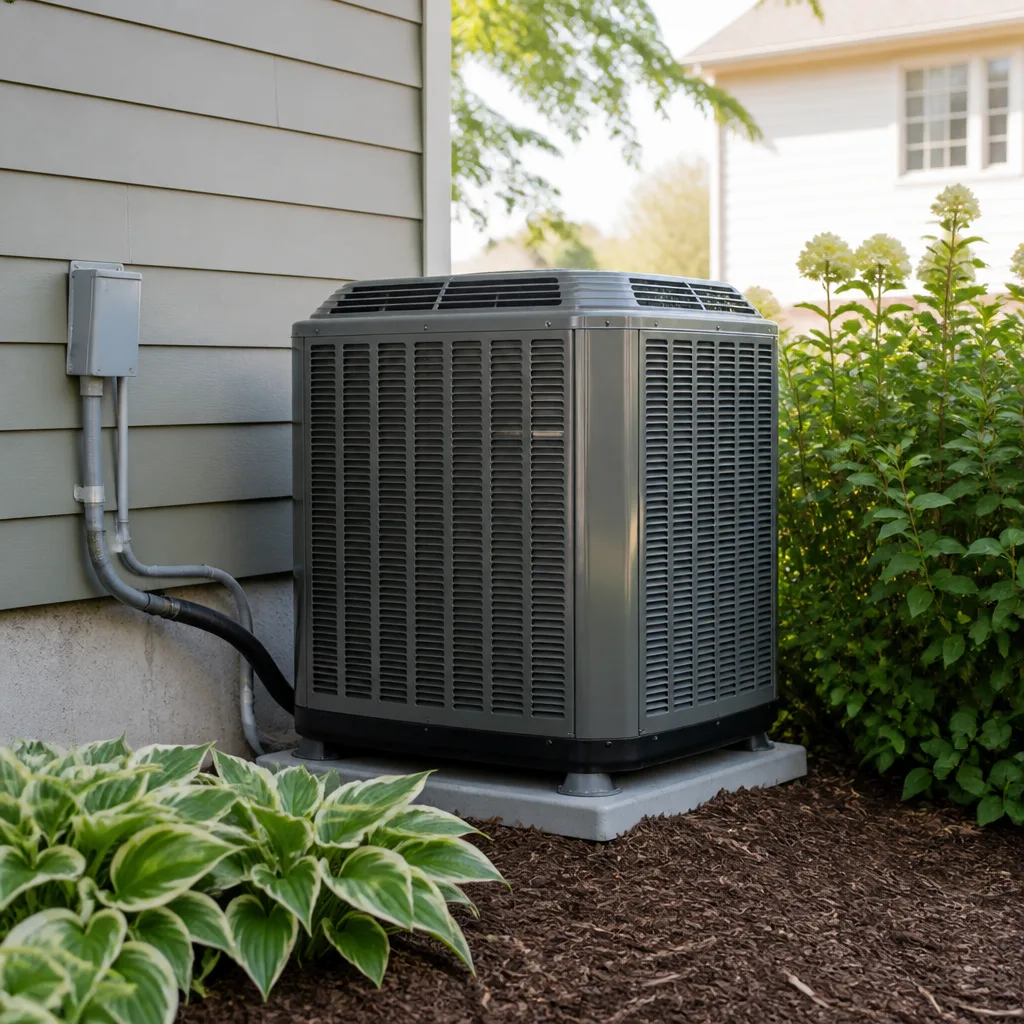 Trane
Trane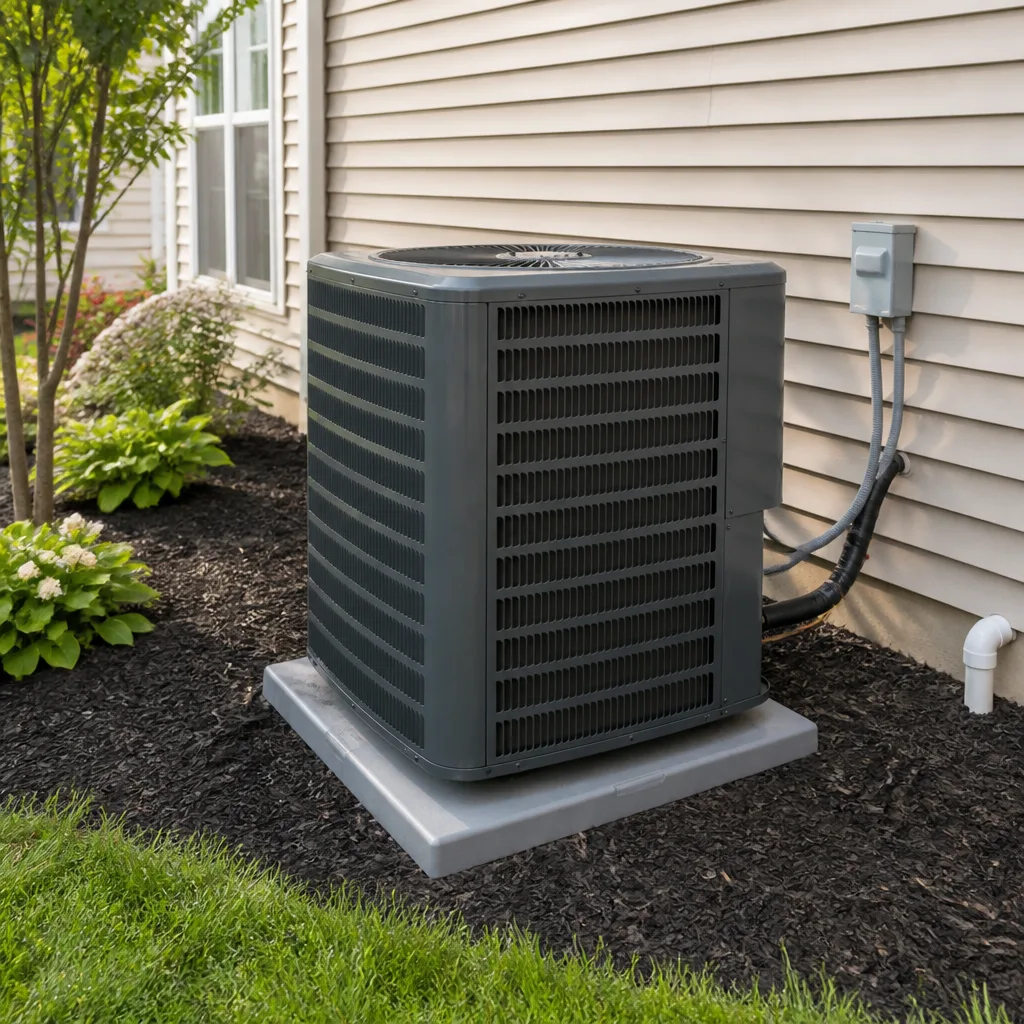 Goodman
Seasonal tune-up and full diagnostic on your Carrier, Trane, or Goodman system - readings shown to you before any repair is proposed
Diagnosis first, numbers second - you approve the repair price before a single part goes in.
Get your free estimateHVAC Warning Signs: A Hempstead Homeowner’s Reference Guide
Most HVAC warning sign guides read like a parts catalog with symptoms attached. They list twenty things that could go wrong and tell you to call a technician for all of them. But a rattling blower wheel and a sulfur smell coming from your vents are not the same category of problem. One is an annoyance that can wait until morning. The other is a gas leak that demands you leave the house before you make any phone calls. This guide gives Hempstead homeowners a triage framework: what to shut off immediately, what can run while you wait, and how to describe the problem so the technician shows up with the right parts on the first trip. For year-round maintenance planning, see our Seasonal HVAC Care for Hempstead: Year-Round Homeowner’s Guide.
Quick Answer
The most serious HVAC warning signs in Hempstead are a sulfur or rotten egg smell from vents, visible sparking at any electrical connection, and a carbon monoxide alarm that won’t stop sounding. These require shutting the system off and, in the gas smell case, leaving the house before calling your utility company. Lower urgency but still pressing signs include ice on refrigerant lines, water pooling at the air handler, and short cycling, all of which can usually run for a day or two while you schedule service. The least urgent signs are reduced airflow, unusual sounds, and gradual efficiency loss, which merit a visit within a week or two but aren’t emergencies. Our AC Repair Maintenance Checklist for Hempstead Homeowners covers what to check before calling.
Styles & brands we work with
Table of Contents
- Shut Off Now: The Three Warning Signs That Cannot Wait
- High Urgency: Run It, But Schedule Service Fast
- Schedule Soon: Annoying Now, Costly Later
- What Hempstead’s Climate Does to HVAC Equipment
- How to Describe Symptoms to a Dispatcher
- What to Document Before the Technician Arrives
- Common Mistakes to Avoid
Shut Off Now: The Three Warning Signs That Cannot Wait
Three symptoms in a Hempstead home require immediate action before you call anyone. These are not scheduling decisions. They are safety decisions. Here’s what to do, in order, for each one.
1. Sulfur or Rotten Egg Smell From Vents
Natural gas is odorless on its own. Utility companies add mercaptan, a chemical that smells like rotten eggs or sulfur, specifically so you’ll notice a leak. If you smell this coming from your HVAC vents, treat it as a gas leak until proven otherwise. Turn the system off at the thermostat. Do not flip any light switches, do not unplug anything, do not use a cell phone inside the house. Leave the house with everyone in it. Then call your gas utility company from outside or from a neighbor’s house. Only after the gas company clears the property should you call an HVAC technician to find the source. In Hempstead, where many homes built before 1980 still run original gas lines, we respond to these calls regularly. Most turn out to be a failing gas valve or a cracked heat exchanger, not a supply line rupture. But the protocol is the same regardless: evacuate first, diagnose second.
2. Visible Sparking or Arcing at Any Electrical Connection
If you see sparks from the outdoor condenser unit, the air handler, the disconnect box, or anywhere along the electrical path to your HVAC equipment, shut the system off at the thermostat. Then go to your electrical panel and flip the breaker for the AC or furnace to the off position. Visible arcing means a connection has loosened enough that electricity is jumping a gap, and that generates heat. Heat at an electrical connection is how equipment fires start. This is a shut-off-now situation, not a wait-and-see situation. A technician needs to inspect the wiring, tighten or replace connections, and verify the circuit is safe before power is restored.
3. Carbon Monoxide Alarm Activation
If a carbon monoxide detector sounds and won’t stop after you’ve opened windows and reset it, treat it as real. Carbon monoxide is colorless, odorless, and produced when gas or oil doesn’t burn completely. A cracked heat exchanger in a furnace is a common source. Turn the furnace off, open windows to ventilate, leave the house, and call emergency services or your utility company. Do not run the furnace again until it has been inspected. In our experience across Hempstead, cracked heat exchangers are most common in furnaces past fifteen years old, especially those that haven’t been inspected in multiple seasons. A carbon monoxide alarm activation is not a false alarm until a professional has verified it.
High Urgency: Run It, But Schedule Service Fast
These symptoms don’t require evacuating your Hempstead home, but they do mean something is actively failing. Continuing to run the system for weeks will turn a repair into a replacement. These are call-within-a-day-or-two situations.
Ice on Refrigerant Lines
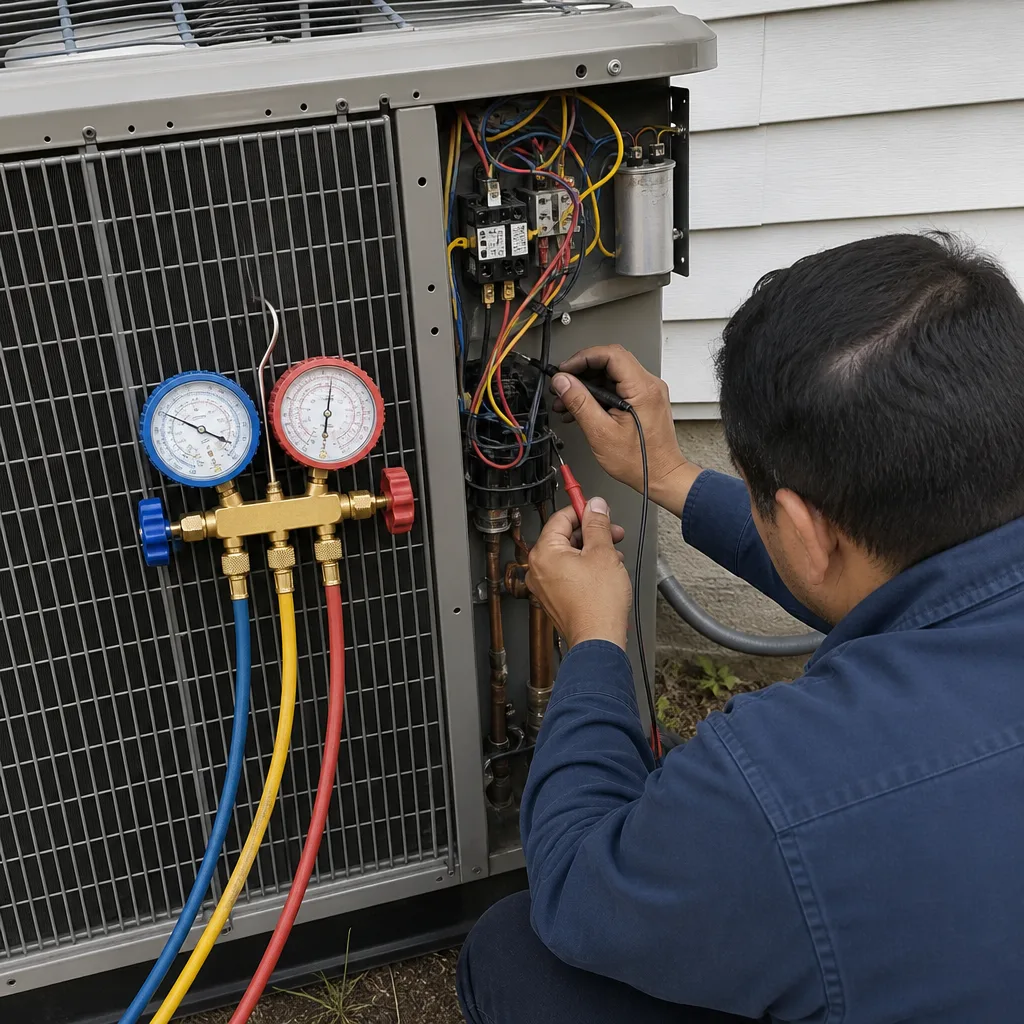
The two copper lines running from your outdoor unit to your indoor coil should never be covered in ice when the system is running. A frosted or iced line means the refrigerant charge, the cooling fluid your system needs to reach set temperature, is low, or airflow across the coil is blocked. Either way, the system is working harder than it should and will eventually trip a safety switch or damage the compressor. You can run the system in fan-only mode while you wait for service, or shut it off entirely if the house is comfortable enough. Fixing this usually involves finding the leak, repairing it, and recharging the system to manufacturer spec. The longer it runs low on refrigerant, the higher the risk of compressor failure, and a compressor replacement on a ten-year-old unit often means replacing the whole system.
Water Pooling at the Air Handler
Your air handler or furnace cabinet in the basement, attic, or utility closet should stay dry. Water pooling around it means the condensate drain line is clogged, the drain pan is cracked, or the coil is freezing and thawing in cycles. The immediate risk is water damage to your Hempstead home’s floors, walls, and whatever sits near the unit. The secondary risk is that standing water breeds mold inside the cabinet. Mop up what you can, check whether the drain line looks blocked, and shut the system off if water keeps accumulating. A technician will clear the line, check the pan, and verify the coil isn’t freezing due to low refrigerant or poor airflow.
Short Cycling
Short cycling means the system turns on, runs for a few minutes, shuts off, and repeats the cycle constantly. This is different from normal operation on a mild day, where the system might run briefly. Short cycling is a pattern: on for three or four minutes, off for two, on again, all afternoon. Common causes are an oversized system, a failing thermostat, a dirty flame sensor on a furnace, or low refrigerant causing the low-pressure switch to trip. Short cycling wastes energy, strains the compressor, and shortens equipment life. It can run for a few days, but every short cycle is doing incremental damage. Schedule service quickly.
Schedule Soon: Annoying Now, Costly Later
These symptoms won’t strand you without heat or cooling tonight. But they’re telling you something is wearing out. Waiting months turns a part swap into a component failure, and a component failure often cascades into a bigger repair bill.
Reduced Airflow From Specific Registers
If one room in your Hempstead house is suddenly warmer or cooler than the rest, and the register in that room is pushing less air than others, you likely have a duct problem. It could be a disconnected section of ductwork, a collapsed flex duct, or a damper that’s slipped shut. This is different from a dirty air filter, which reduces airflow across the whole house. A specific-room problem points to the ductwork serving that room. Left alone, the system compensates by running longer, which raises bills and unevenly conditions the house. Duct fixes are usually straightforward: reconnect, reseal, or replace the affected section.
Unusual Sounds, Classified by Type
Different sounds point to different components. Here’s what we tell Hempstead homeowners to listen for:
- Rattle: Usually a loose panel, a screw that’s backed out, or a blower wheel that’s come loose on its shaft. Annoying, not urgent, but the vibration will wear out surrounding parts if ignored.
- Squeal: A high-pitched squeal when the blower starts or runs points to a failing blower motor bearing or a slipping belt on older units. This gets worse fast. Schedule within a week or two.
- Bang or thump at startup: On a furnace, this is often delayed ignition, where gas builds up in the combustion chamber before the igniter fires. A small amount is normal on old units. A loud bang, or banging that happens every cycle, means the burners need cleaning and adjustment. Delayed ignition can crack a heat exchanger over time.
- Hissing: A continuous hiss near the outdoor unit when the system is running can mean a refrigerant leak at a fitting. This is different from the brief hiss you hear when the system shuts off, which is normal pressure equalization. A sustained hiss is a leak and falls into the high urgency category.
Gradual Efficiency Loss
If your electric bill in July is twenty percent higher than last July without a corresponding change in usage or rates, your system is working harder to produce the same cooling. That’s usually a combination of dirty coils, low refrigerant, or an aging compressor. This is a schedule-soon situation, not an emergency, but it’s worth diagnosing before the problem announces itself in August with a full system failure. We’ve seen Hempstead homeowners ignore this signal and end up replacing a system in a heat wave because the compressor finally gave out. A diagnostic visit in the spring or early summer is cheaper than an emergency replacement in ninety-degree weather.
What Hempstead’s Climate Does to HVAC Equipment
Hempstead sits close enough to the Atlantic that salt air is a real factor for outdoor condenser units. The same salt that rusts cars also attacks condenser coils and electrical connections inside the outdoor cabinet. If you live in the southern parts of Hempstead closer to the water, or anywhere with persistent coastal breeze, expect faster corrosion on the condenser fins, the contactor, and the wire connections inside the unit.
What does salt corrosion look like? The aluminum fins on the condenser coil develop a white, powdery oxidation instead of staying bright. The electrical terminals get a green or white crust. The unit may still run, but the corroded coil rejects less heat, which drives up head pressure and makes the compressor work harder. A condenser that’s five years old and heavily corroded might perform like a twelve-year-old unit. In our experience, Hempstead homes within a few miles of the water need condenser coil cleaning more often than homes further inland, and the electrical connections need to be checked at least once a year.
What does salt corrosion smell like? Salt corrosion itself doesn’t have a strong odor. But when corrosion turns into an electrical connection failure, you might smell hot plastic or a faint fishy smell near the outdoor unit. That’s the insulation on wires overheating as resistance builds at the corroded connection. If you smell that, shut the system off and treat it like the electrical warning sign above.
Hempstead’s other climate factor is humidity. The village sits in a humid subtropical zone, and summers regularly push dew points into the seventies. That’s exactly the weather where condensate drain lines clog with algae and biofilm. A system that drains fine in dry fall weather can back up in August, which connects directly to the water pooling warning sign covered earlier. If your air handler sits in an attic, a clogged drain means water damage to ceilings and insulation. If it sits in a basement, it means water around the unit and potential mold. Either way, Hempstead humidity makes the condensate system a wear item, not a set-and-forget component.
How to Describe Symptoms to a Dispatcher
The phone call to schedule service is where Hempstead homeowners either help or hurt their own repair timeline. A vague description like “it’s making noise” tells the dispatcher nothing. A specific description tells them what parts to load on the truck. Here’s how to describe symptoms so the technician arrives ready to work.
- Say what the system is doing, not what you think is wrong. Instead of “the compressor is bad,” say “the outdoor unit runs but blows warm air” or “the outdoor unit hums but the fan doesn’t spin.” Let the technician diagnose.
- Name the sound specifically. Rattle, squeal, bang, hiss, hum, thump. Each one points to a different component.
- Say when it happens. On startup only? Constantly? Only when the system has been running for an hour? Only on hot days?
- Note the room or location. Which registers are weak? Is the noise coming from the outdoor unit, the air handler, or the ductwork in a specific wall?
- Mention anything that changed recently. A new thermostat, a filter you changed, a repair by another company, a power outage. These are clues.
- Give the system’s age and brand if you know it. A Carrier system from 2015 has a different parts availability picture than a Goodman from 2008. Our technicians are factory-trained on Carrier, Trane, Lennox, Goodman, Rheem, York, Daikin, Bryant, and American Standard, but knowing the brand before dispatch means the truck is stocked for your system.
A homeowner who says “the outdoor unit is making a squealing sound when it first starts up, and it’s a Lennox from around 2018” gives us almost everything we need to arrive with the right parts. A homeowner who says “AC’s broken” starts the visit with a diagnostic only, and if parts aren’t on the truck, we’re making a second trip.
What to Document Before the Technician Arrives
Between the call and the arrival window, document what you’re seeing. This matters because some symptoms are intermittent, and the system may not be misbehaving during the exact hour the technician is on site. A photo on your phone preserves the evidence.
- Take photos of ice, water, or visible corrosion. A technician can look at a photo of frost on a refrigerant line and know the system was low on refrigerant or starved for airflow at that moment, even if the ice has melted by the time they arrive.
- Record a short video of short cycling. Film the thermostat or the outdoor unit for two or three minutes. The pattern of on and off is diagnostic, and it might not repeat during the visit.
- Note the time and weather. If the banging happens only when the system starts after being off for hours, or only when it’s above eighty-five outside, that’s diagnostic information.
- Check the obvious things. Is the air filter clean? Is the thermostat set correctly? Is the breaker tripped? Checking these takes two minutes and can save a service call entirely if the problem is a dirty filter or a tripped breaker.
- Clear a path to the equipment. The technician needs access to the air handler, the furnace cabinet, and the outdoor unit. Move boxes, storage, and yard debris before the arrival window.
The goal is to hand the technician a complete picture. Every minute spent diagnosing on site is billed time. A homeowner who documents well shortens the visit, and a shorter visit costs less. Browse our more guides & resources for additional homeowner tips.
Common Mistakes to Avoid
- Ignoring a dirty filter for months. A clogged filter restricts airflow across the coil. The coil gets colder, eventually freezes, and the system shuts down, often in the hottest or coldest week of the year. Hempstead’s humid summers make this worse because a frozen coil thaws into a puddle around the air handler. Change the filter every one to three months depending on pets and occupancy.
- Adding refrigerant every season without finding the leak. Refrigerant doesn’t get used up. A system that needs a recharge annually has a leak somewhere, and adding refrigerant without fixing the leak is like putting air in a punctured tire every morning. The leak gets worse, and the compressor eventually fails from running undercharged. Insist on leak detection and repair, not a top-off.
- Setting the thermostat lower to cool faster. The system cools at the same rate whether you set it to 72 or 62. Setting it lower just makes it run longer, not faster, and a system that runs constantly in Hempstead humidity builds ice on the coil. Set the temperature you actually want, and leave it.
- Running the system with a known carbon monoxide alarm problem. Disconnecting the detector because it’s “annoying” turns a warning system into a silent killer. If the alarm activates, follow the shut-off protocol. Replace the detector if it’s past its service life, but never silence it by removing batteries and forgetting it.
- Closing too many supply registers. Homeowners close registers in unused rooms to save energy, but closing more than two or three restricts airflow across the whole system. Static pressure rises, the blower works harder, and the coil gets too cold. The energy savings are usually offset by the strain on the equipment.
- Waiting until the system is completely dead to call. A system that’s short cycling, icing, or making a new sound is cheaper to fix today than it will be next month. The compressor that fails because it ran low on refrigerant for weeks turns a $400 repair into a $4,000 replacement. Hempstead’s cooling season is long enough that this mistake happens every year.
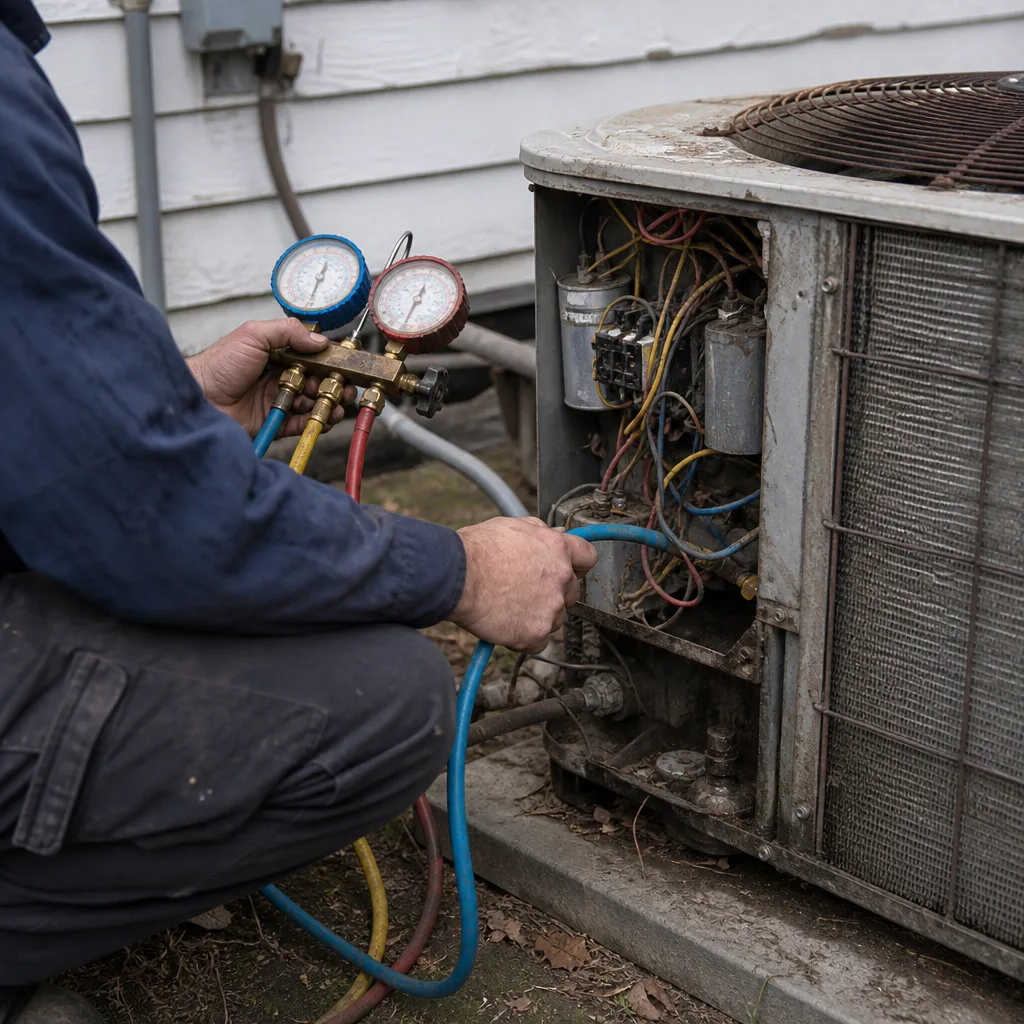
See the difference
 Before
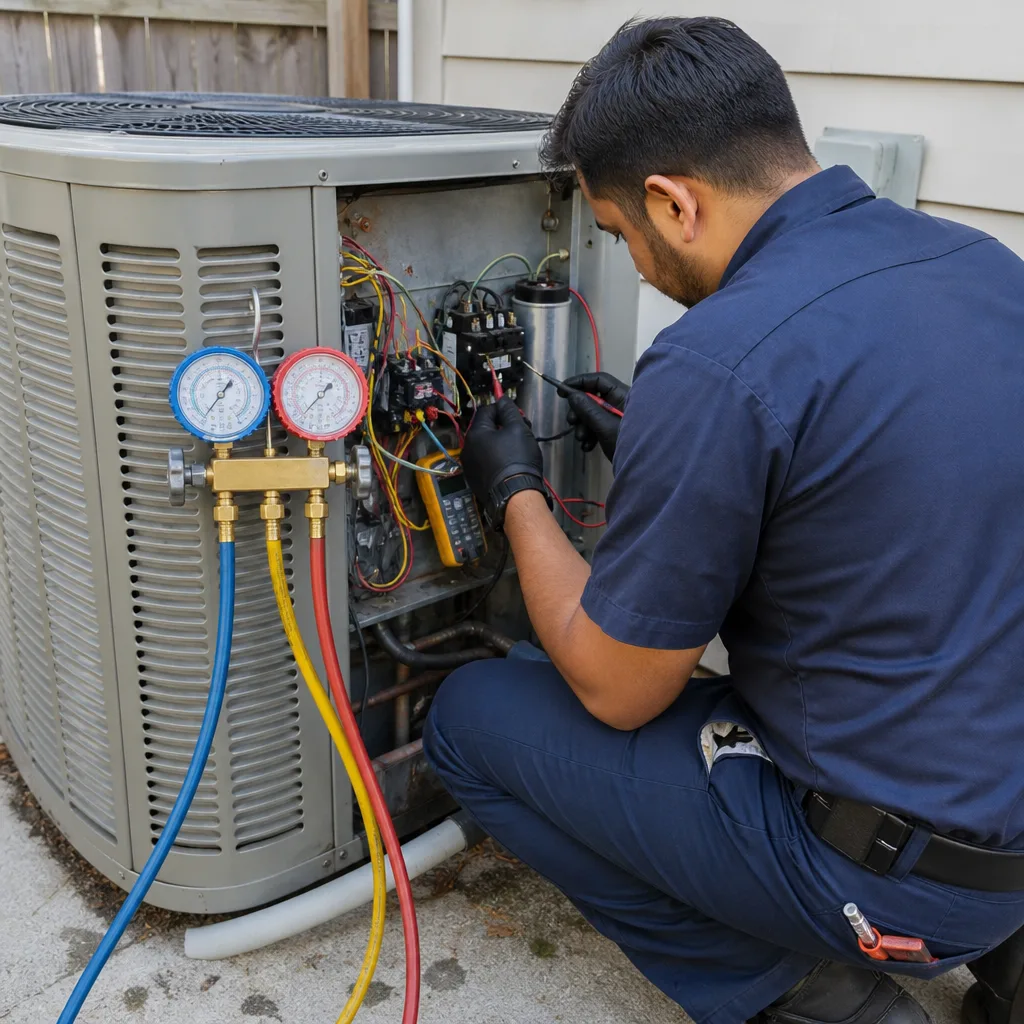 After
After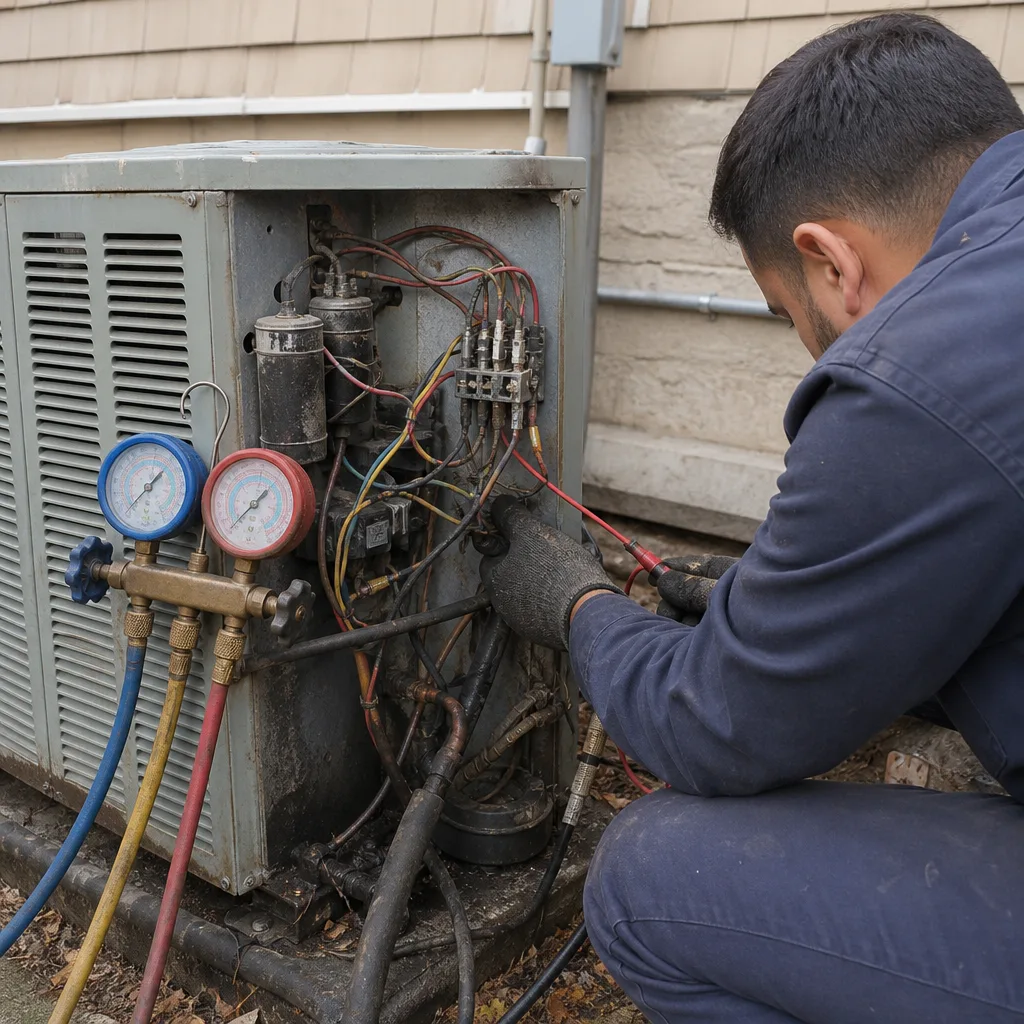 Before
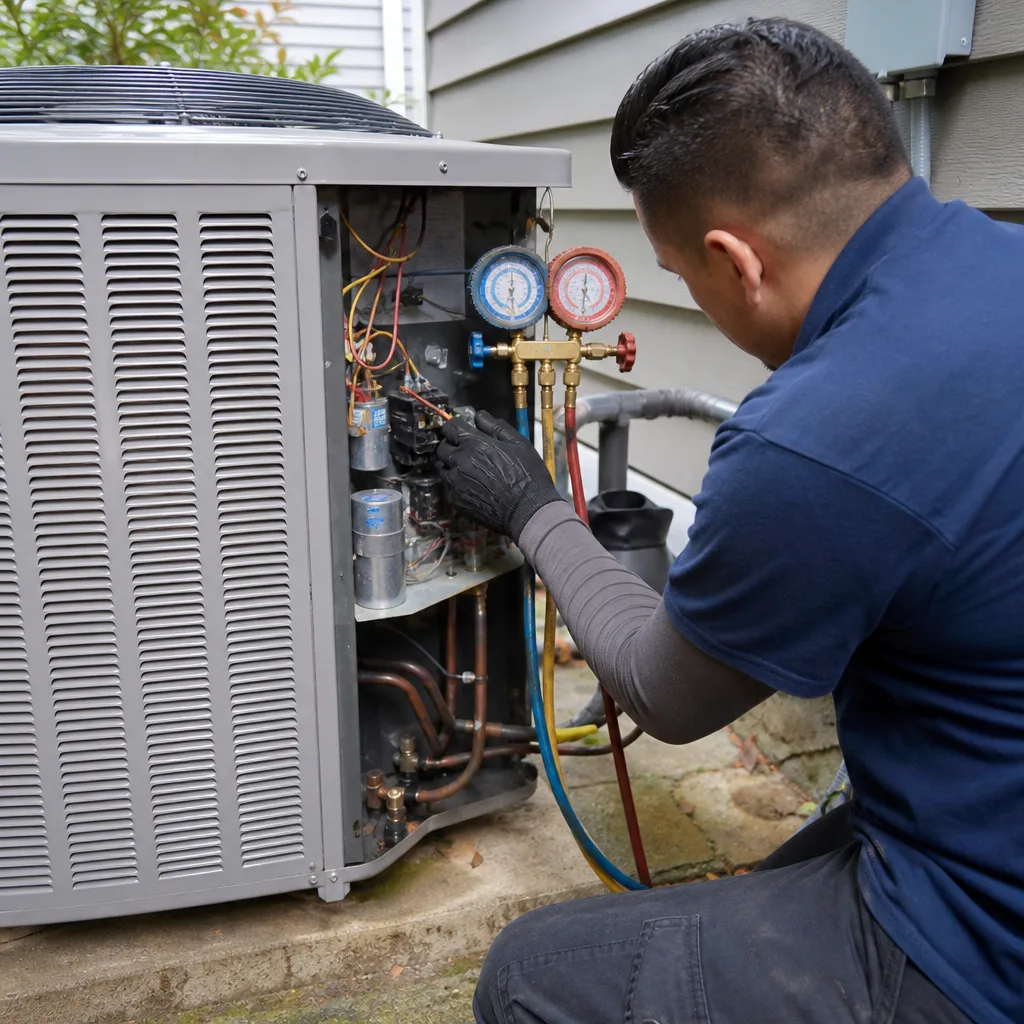 After
After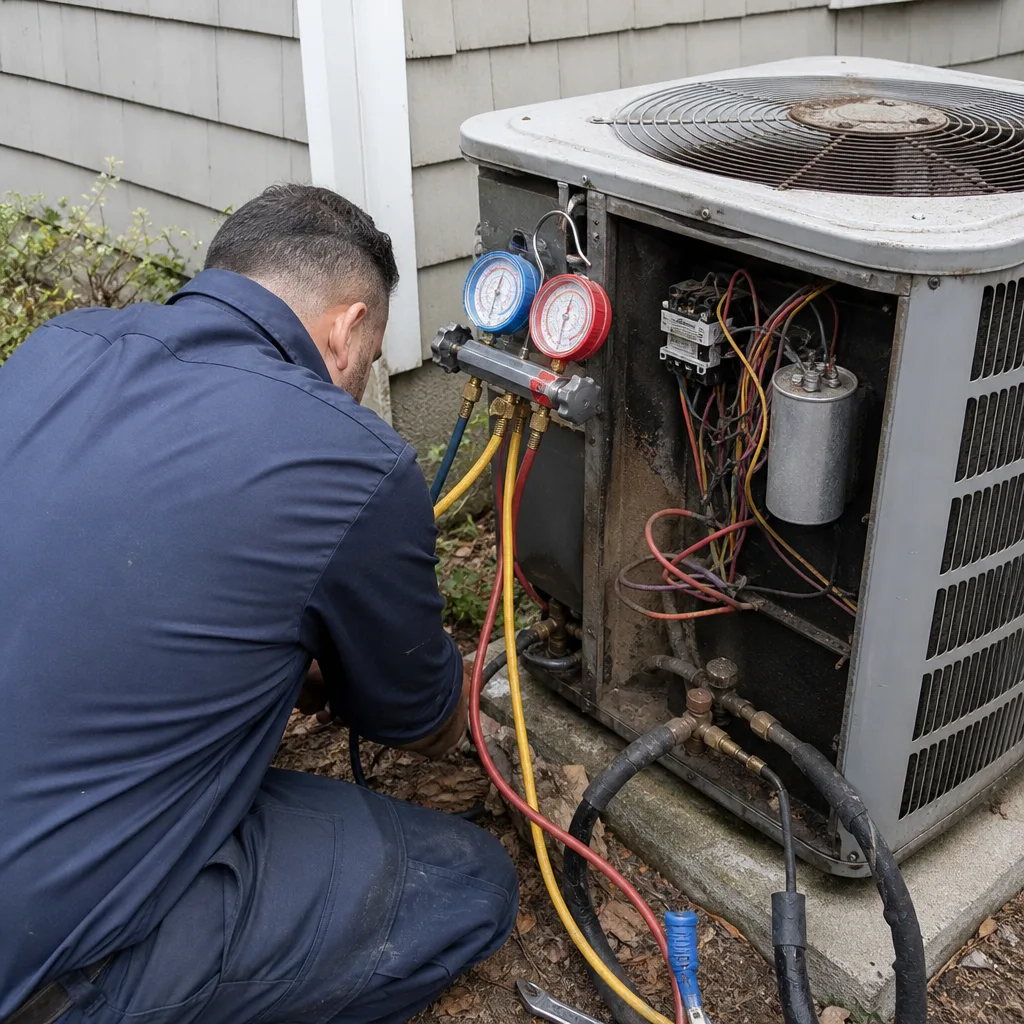 Before
 After
AfterWhen to Call a Professional
Call a professional when you see any shut-off-now sign, when a high-urgency symptom persists for more than a day, or when a schedule-soon symptom has been going on for more than a week or two. If you’ve documented the symptoms and still can’t tell whether it’s urgent, call and describe what you’re seeing. The dispatcher will tell you whether it can wait. Dalton Heating & Air Hempstead offers free estimates in Hempstead, so there’s no charge to have the system looked at and get a written diagnosis. We’ve been serving Hempstead since 2003 as part of the Garrison Partners network, and every repair includes a written price before work starts, a written guarantee on the repair, and a free return visit if the fix doesn’t hold. Call (516) 559-4840 to schedule. A live person answers, 24/7, no voicemail queue.
Frequently Asked Questions
A sulfur or rotten egg smell from your vents means a natural gas leak, and you should shut the system off, leave the house, and call your gas utility company from outside before calling an HVAC technician. Hempstead’s aging gas lines and older furnaces make gas valve failures and cracked heat exchangers more common than many homeowners realize, but the source must be verified by trained professionals before you return to the house or restart the system. Once the gas company clears the property, call Dalton’s furnace repair service to pinpoint and fix the leak.
Ice on the outdoor unit or the copper refrigerant lines means the system is low on refrigerant or starved for airflow, usually from a dirty filter, dirty coil, or a refrigerant leak. Running the system while it’s iced over forces the compressor to work against a blocked system and can destroy the compressor, so shut it off and schedule service. This is a common issue in Hempstead’s humid summers, where clogged condensate lines and dirty coils compound the freezing problem.
Most furnace repairs in Hempstead run $150 to $450 depending on the part, while air conditioning repairs typically fall between $200 and $600 for common fixes like capacitors, contactors, and condensate line clearing. Refrigerant leak repairs, compressor replacements, and heat exchanger work can run higher, sometimes $800 to $2,500 depending on the system and the extent of the damage. Every repair from Dalton’s AC repair team includes a written price before work starts, so you’ll know the exact cost before we begin.
A banging sound at furnace startup is usually delayed ignition, meaning gas builds up in the combustion chamber before the igniter fires, and over time this can crack the heat exchanger. A small thump on a fifteen-year-old furnace is common, but a loud bang every cycle means the burners need cleaning and adjustment. Untreated delayed ignition is the kind of problem that turns a $200 burner service into a $2,000 heat exchanger replacement, and a cracked heat exchanger also creates a carbon monoxide risk.
A rattling noise from the outdoor unit usually means a loose panel, a backed-out screw, or a blower wheel that’s come loose on its shaft, and it’s generally safe to run for a day or two while you schedule service. The vibration will wear out surrounding parts if ignored for weeks, but a rattle is not the same category as a hiss, a bang, or a burning smell. If the rattle turns into a grinding or you see any sparking, shut the system off immediately.
A burning smell from your HVAC system means an electrical component is overheating, and you should shut the system off at the thermostat and flip the breaker before calling for service. If this happens during the first heating cycle of fall, a dusty smell that fades after twenty minutes is normal, but a persistent burning plastic or fishy smell is an electrical fault that needs attention. Hempstead’s coastal air corrodes electrical connections in outdoor units faster than inland locations, which makes this smell more common near the water.
The Bottom Line
HVAC warning signs come in three tiers: shut-off-now, high-urgency, and schedule-soon. The shut-off-now signs are a sulfur smell, visible sparking, and a carbon monoxide alarm. The high-urgency signs are ice on refrigerant lines, water pooling at the air handler, and short cycling, all of which can run briefly but shouldn’t be ignored for more than a day or two. The schedule-soon signs are reduced airflow in specific rooms, unusual sounds, and gradual efficiency loss, which merit a visit within a week or two. Hempstead’s humidity and coastal air make some of these problems more common here than inland, especially condensate line clogs and salt corrosion on outdoor units. When you call, describe the symptom specifically, document what you see, and check the simple things first. A homeowner who does that gets a faster diagnosis, a shorter visit, and a lower bill. For a free estimate in Hempstead, call Dalton Heating & Air at (516) 559-4840.
Written by Marco Benitez, Owner at Dalton Heating & Air Hempstead, serving Hempstead since 2003.