
Last updated October 16, 2026
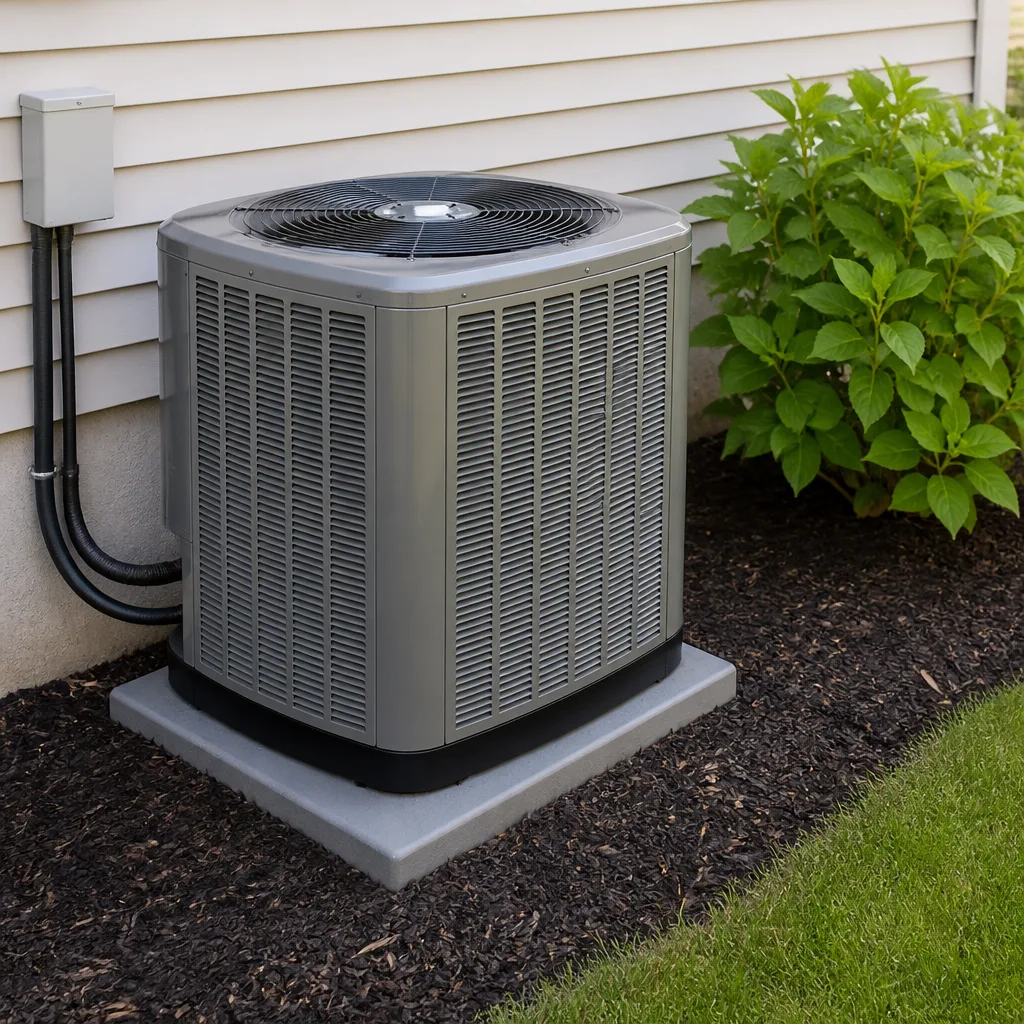 AC repair
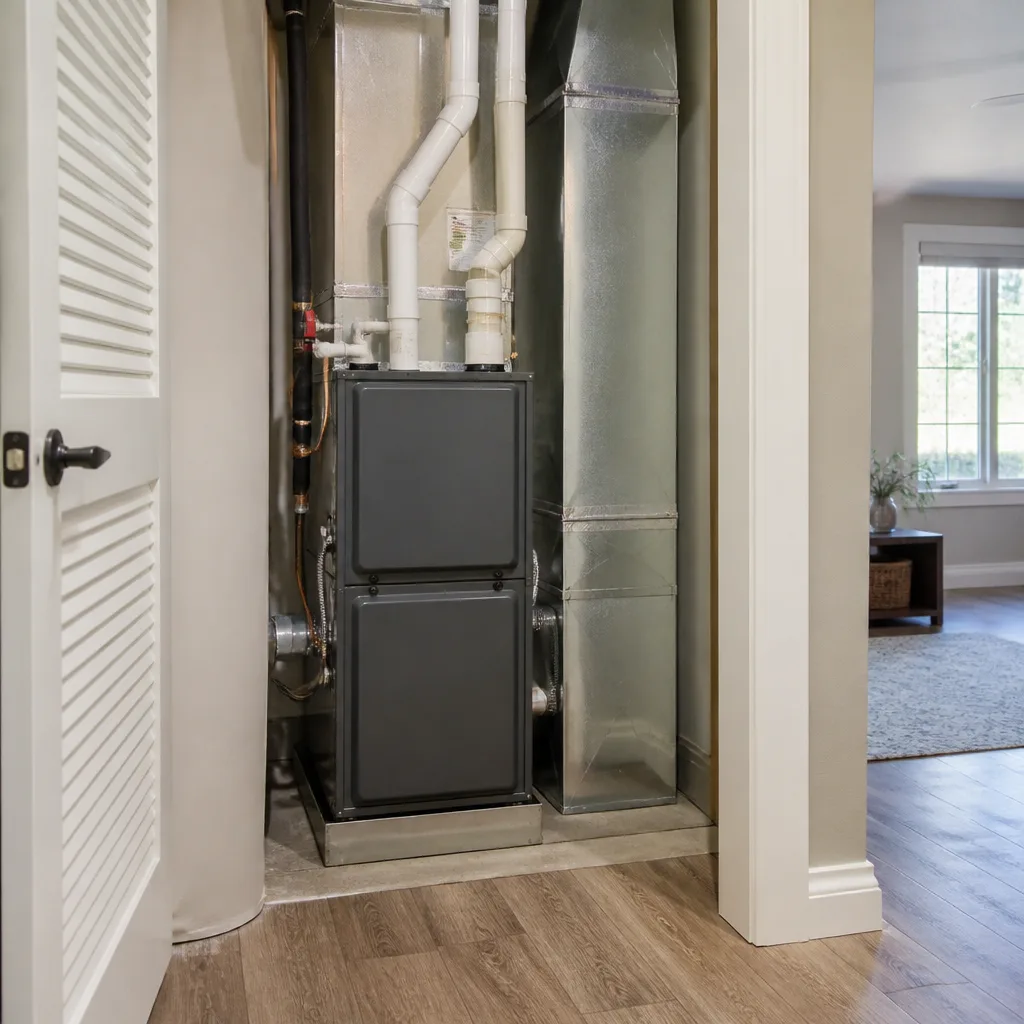 Furnace & heating
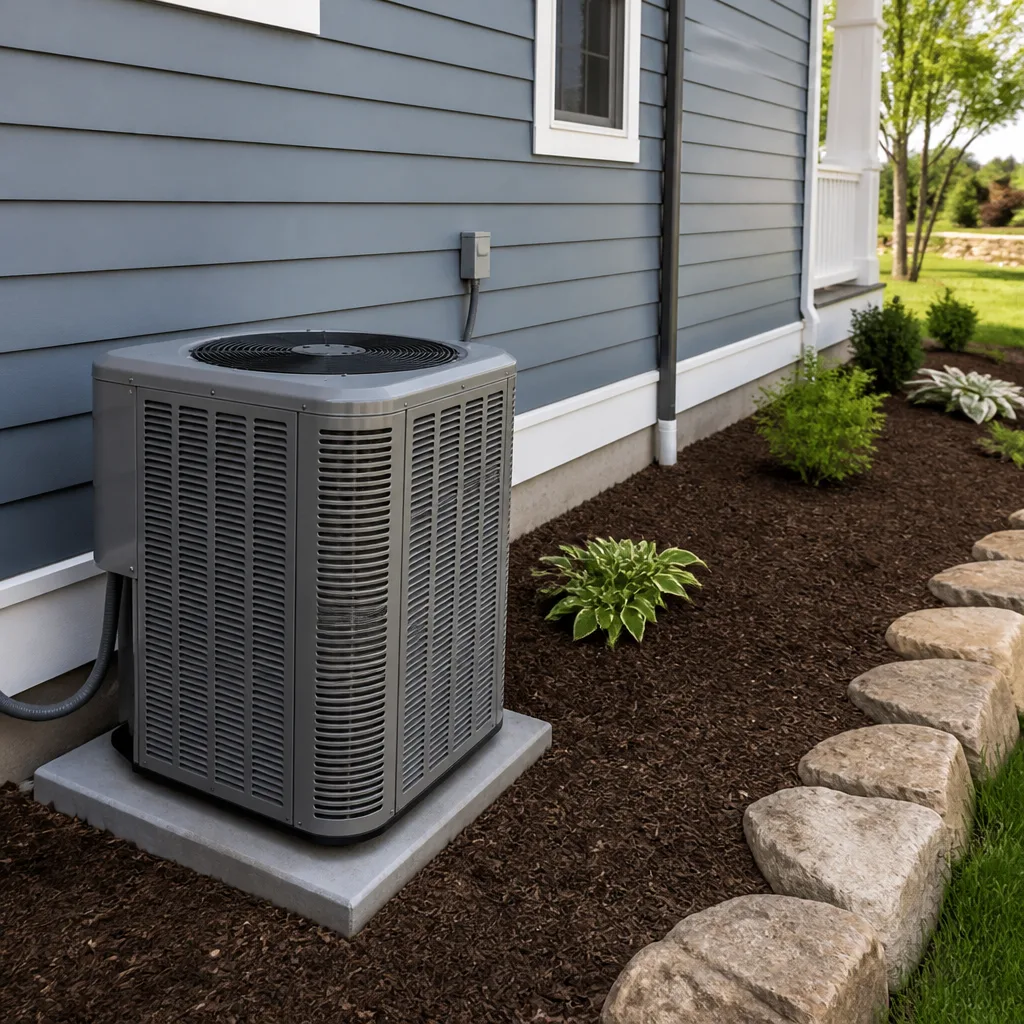 Heat pumps
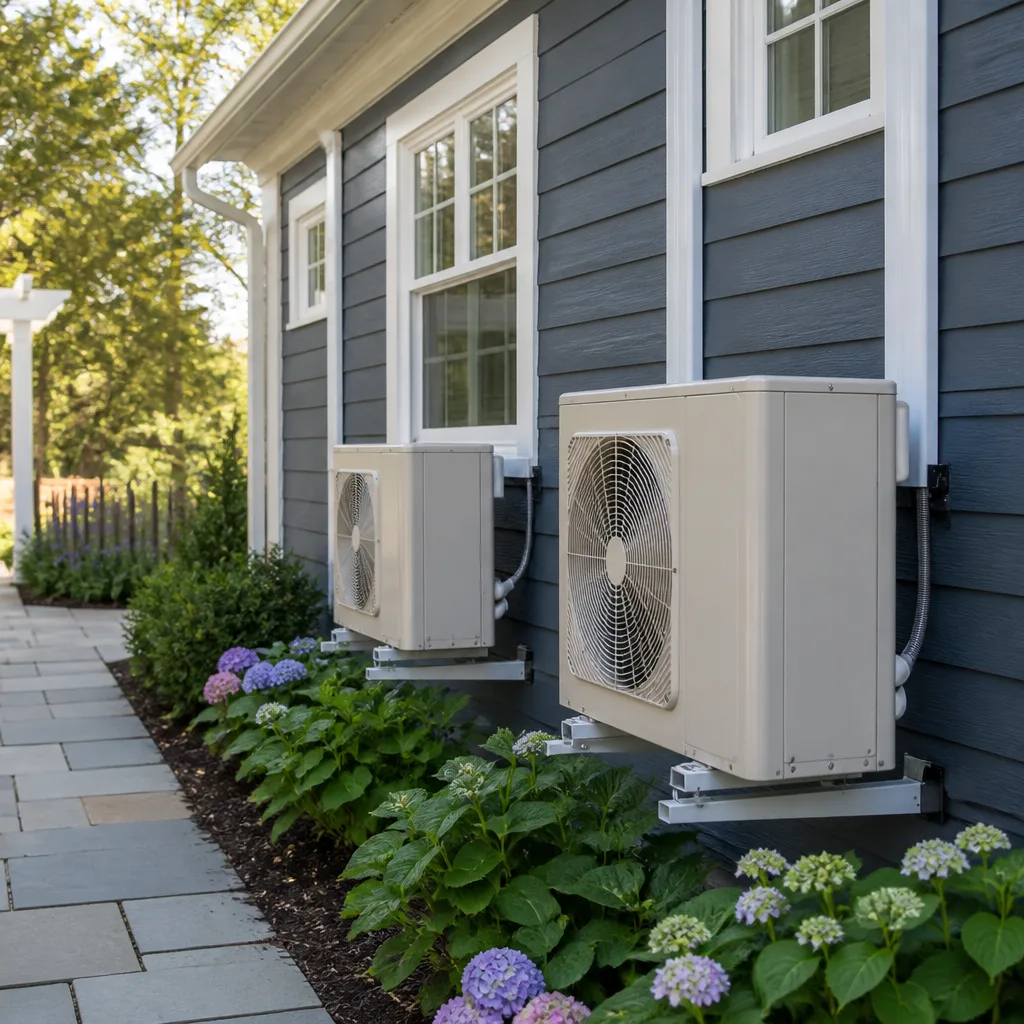 Ductless mini splits
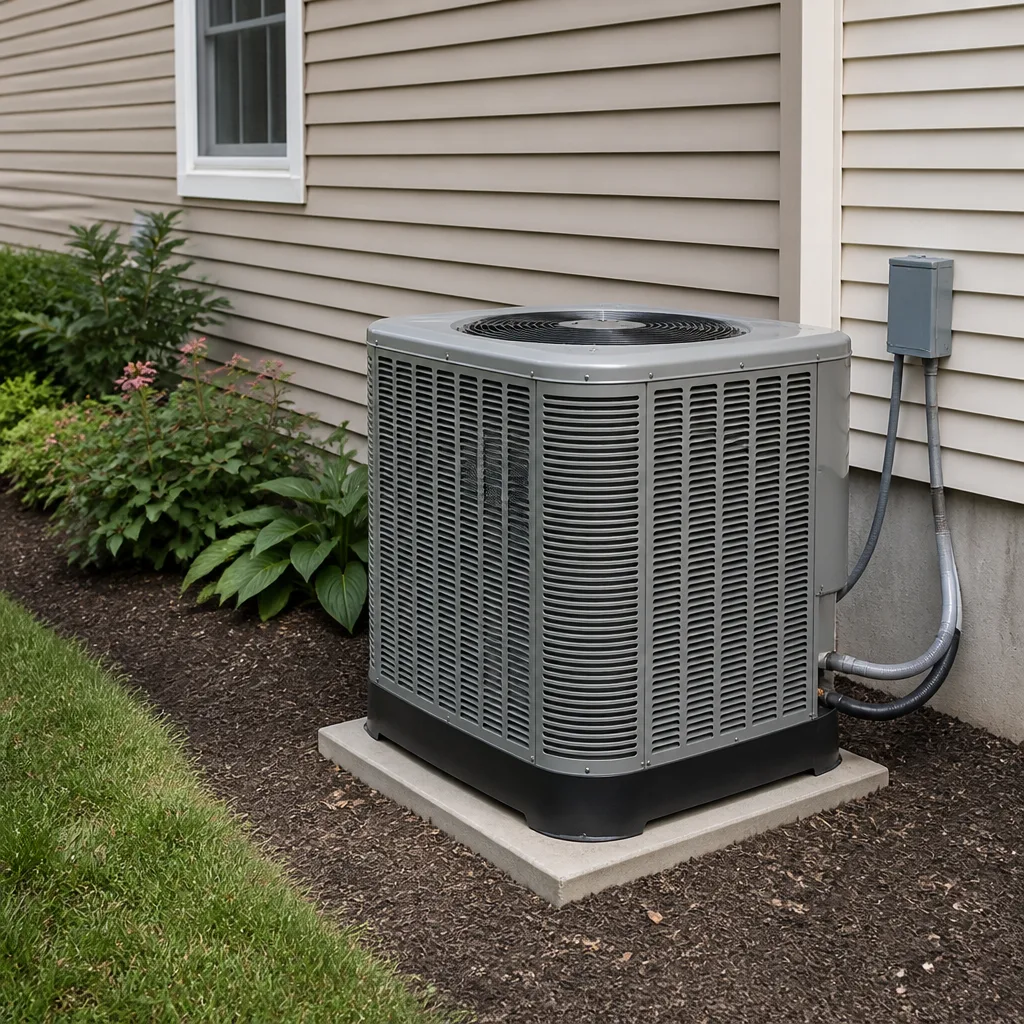 Carrier
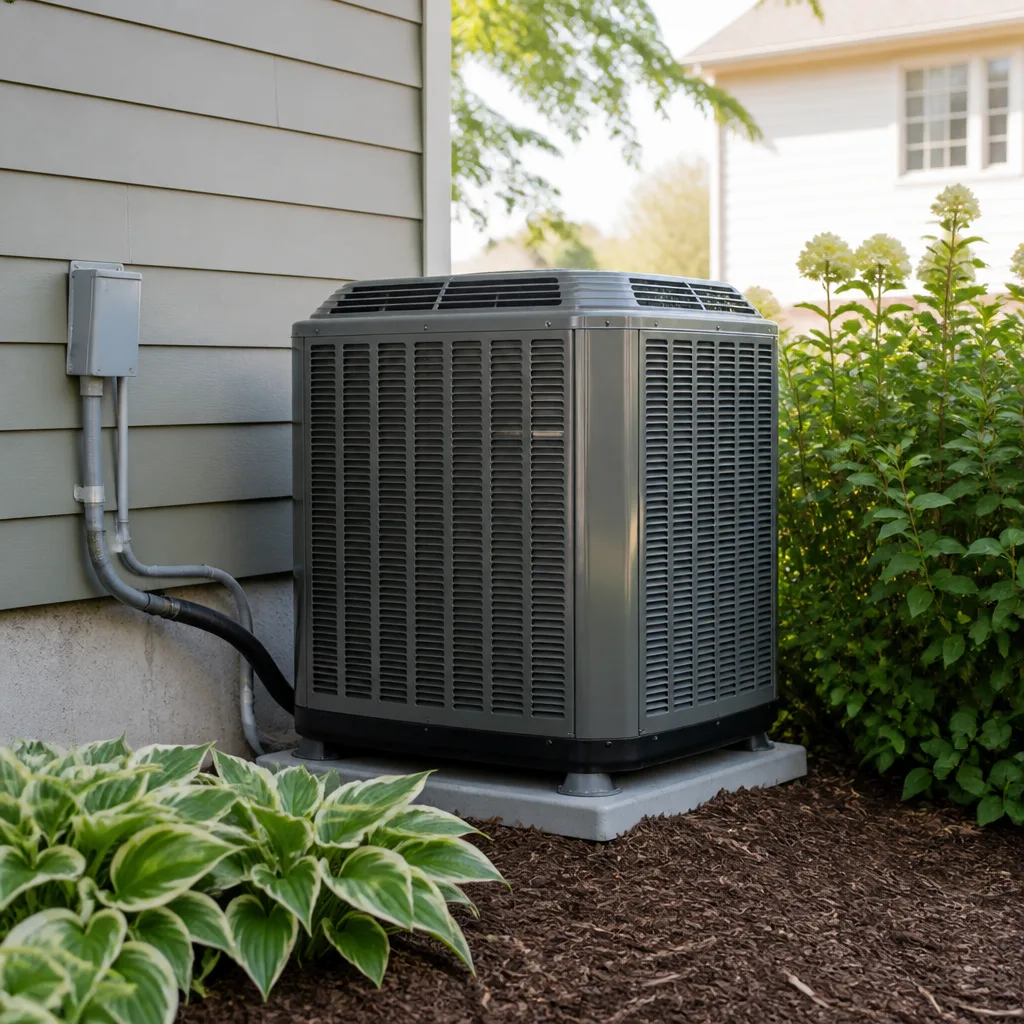 Trane
Trane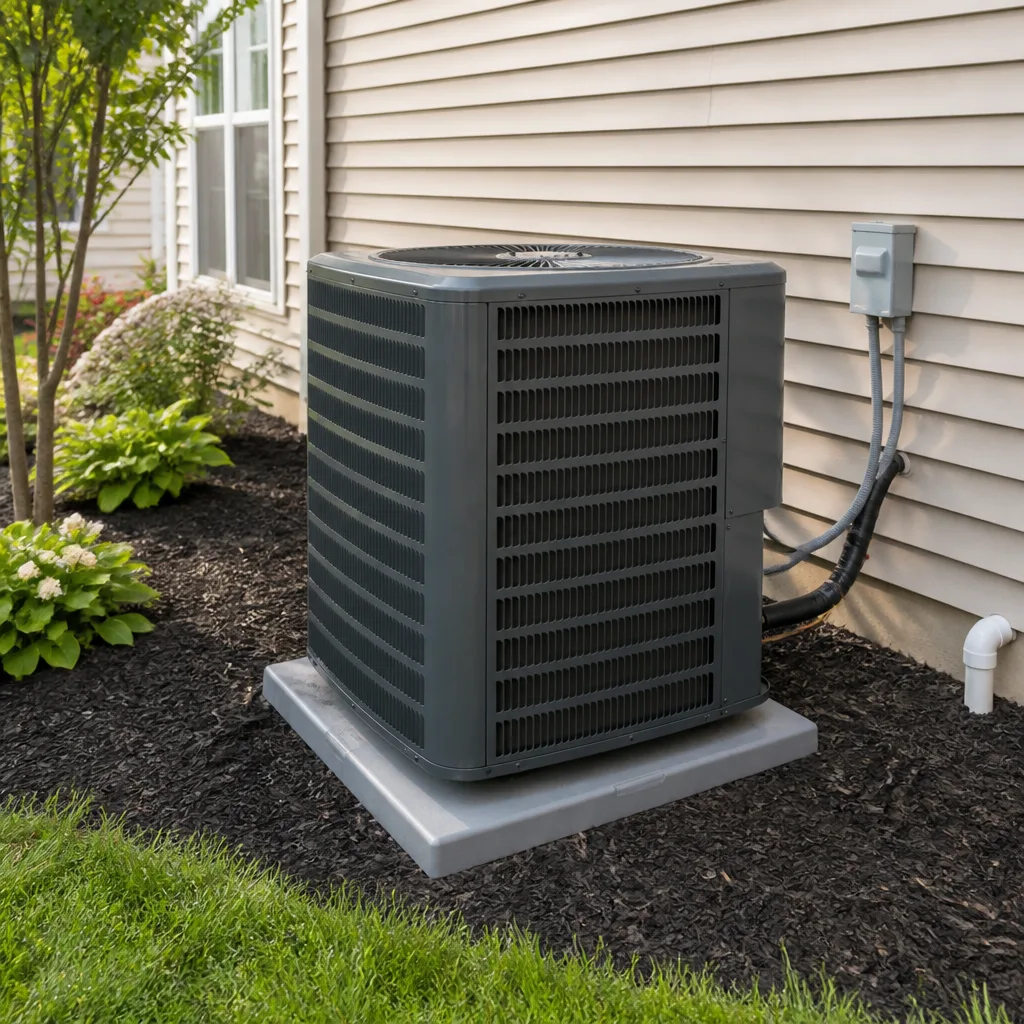 Goodman
Seasonal tune-up and full diagnostic on your Carrier, Trane, or Goodman system - readings shown to you before any repair is proposed
Diagnosis first, numbers second - you approve the repair price before a single part goes in.
Get your free estimateDIY vs Professional HVAC: The Hempstead Homeowner’s Decision Guide
The EPA can fine a homeowner up to $44,539 per day for releasing refrigerant into the atmosphere without a Section 608 certification. That number is not a typo, and it’s not a scare tactic from contractors who want to protect their trade. It’s federal law under the Clean Air Act. This guide exists because most Hempstead homeowners never hear that number until after they’ve opened a refrigerant line they shouldn’t have touched. By the time you finish reading, you’ll know exactly which HVAC tasks New York law reserves for licensed professionals, which ones you can safely handle yourself, and how to tell the difference without guessing.
Quick Answer
The DIY vs professional HVAC line in Hempstead is legal before it’s technical: anything involving refrigerant, natural gas, or a system replacement requiring a permit is off-limits for unlicensed homeowners under New York law. For a detailed look at what permits apply, see our guide on HVAC Permits, Codes & Inspections in NY: What You Need to Know. Filter changes, condenser cleaning, thermostat swaps, and drain maintenance are safe DIY territory. Everything else sits on a spectrum where the real question is whether a mistake will cost more than the service call.
Styles & brands we work with
Table of Contents
- The Legal Line: What New York Law Actually Says
- Safe DIY Tasks: What You Can Handle Yourself
- Tasks That Look Simple But Carry Real Risk
- The Insurance Angle Most Guides Skip
- Using a Professional Visit Strategically
- Hempstead-Specific HVAC Realities
- Common Mistakes to Avoid
- When to Call a Professional
The Legal Line: What New York Law Actually Says
New York draws a hard boundary through residential HVAC work, and it’s not based on how confident you feel with a multimeter. The line is based on what can hurt you, what can hurt your neighbors, and what can damage the environment in ways that don’t show up for years.
Refrigerant handling is the clearest example. Federal law under EPA Section 608 requires anyone who handles, recovers, or adds refrigerant to hold a valid certification. That includes homeowners. There is no exemption for “I’m just topping it off” or “the can was cheap online.” The penalty risk is real, and in practice, most Hempstead homeowners encounter this rule when their AC blows warm in July and a friend says they can “recharge it for fifty bucks.” That friend is committing a federal violation, and the homeowner who lets it happen is liable too.
Natural gas work carries a parallel restriction. Nassau County code requires a licensed master plumber or a contractor working under one for any work on gas piping, gas valves, or the gas train of a furnace. If a furnace replacement involves disconnecting and reconnecting a gas line, that’s not a handyman task. That’s a licensed, permitted job with a follow-up inspection. Hempstead’s enforcement is active, and the fines for unpermitted gas work start in the thousands, not the hundreds.
Equipment replacement is the third big category. New York requires a permit for replacing a furnace, boiler, or central AC system. The permit exists because a bad install can kill: carbon monoxide poisoning from a poorly vented furnace is silent and lethal. The permitting process also creates a record that matters for your homeowner’s insurance, which we’ll get to below.
What a homeowner can legally do without a license: change filters, clean the outdoor condenser coil with water, replace a thermostat, clear a condensate drain, replace a capacitor on some units (which we’ll explain why you probably shouldn’t), and handle general maintenance of the cabinet and surrounding area. None of those touch refrigerant, gas, or the permitting system.
Safe DIY Tasks: What You Can Handle Yourself
Some HVAC maintenance is genuinely yours to own, and doing it well extends the life of your equipment and keeps your energy bills predictable. The tasks below are legal for any Hempstead homeowner, require basic tools, and carry little bodily risk when done correctly.
1. Filter replacement: the highest-return task in HVAC
Your filter is not there to clean your air. It’s there to protect the equipment. A clogged filter chokes airflow, which raises static pressure, which makes the blower work harder and freezes the evaporator coil on AC systems. The fix takes sixty seconds.
What to do: check your filter monthly during cooling season (June through September on Long Island) and heating season (December through March). Replace or clean it when you can’t see light through it held up to a lamp. Standard 1-inch pleated filters run $8 to $18 at any Hempstead hardware store. If you have a media cabinet filter, those run $25 to $45 and last up to six months. Mark the install date on the filter frame with a permanent marker so you don’t lose track.
2. Condenser cleaning with a garden hose
Your outdoor unit sits outside all year. Cottonwood, grass clippings, leaves, and Long Island’s salty air all work against it. The condenser coil is the metal grille wrapping the outside of the unit, and it sheds heat by moving air across those fins. Dirty fins mean heat can’t escape, which means higher energy use and a shorter compressor life.
Here’s the safe method: shut off power at the breaker first. Then remove any visible debris from the top and sides by hand. Then take a garden hose with a spray nozzle and spray water through the coil from the inside out, not the outside in. Spraying inward pushes debris deeper into the fins. Use gentle water pressure; a pressure washer will flatten the aluminum fins and reduce airflow permanently. Do this twice a year: once in April before cooling season, once in October after the leaves stop falling.
3. Thermostat replacement: a same-day upgrade you can do
Swapping a thermostat is legal, safe when you cut power, and takes under an hour. Modern smart thermostats from brands like Ecobee or Honeywell work with most residential systems. The critical step is labeling each wire with the letter from the old thermostat’s terminal before you remove it, then matching those letters to the new base plate. If your system has a heat pump, the O/B terminal is not optional, it has to be configured correctly or your system will heat when it should cool. If your existing thermostat has more than six wires, or you see any wire you don’t understand, that’s the moment to stop and call someone who does this daily.
4. Condensate drain maintenance
Your AC produces gallons of condensate every humid Hempstead summer day. That water leaves through a small PVC pipe, usually near the indoor air handler. Algae and dust sludge build up inside that pipe, and when it clogs, water backs up into your drain pan, then onto your ceiling or floor.
Here’s the maintenance routine: find the drain line. Once a month during summer, pour one cup of white vinegar down the line and let it sit for thirty minutes. Follow with a cup of warm water. The vinegar eats the organic gunk. If your system has a float switch (a small device in the drain pan or pipe), test it by pouring water into the pan and confirming the unit shuts down. If water doesn’t drain freely, or if you see standing water in the pan, that’s a job for a professional with a drain-clearing tool, not a bottle of chemical cleaner.
One thing we’ll add from field experience: most Hempstead homes we visit for AC Repair in Hempstead that involves “water coming from the ceiling” turns out to be a drain line that has not been cleaned in years. The fix is usually fast, but the ceiling repair is not. The maintenance above prevents most of those calls.
Tasks That Look Simple But Carry Real Risk
Some HVAC maintenance tasks are technically accessible to a homeowner with a screwdriver and a YouTube tutorial. The law may not stop you from doing them, but the physics will punish a mistake instantly. These are the ones we tell homeowners to treat as professional work, not weekend projects.
Capacitor replacement: stored charge can kill
A capacitor is a small cylinder inside your outdoor condenser unit that stores electrical energy and releases it to start the compressor and fan motors. They fail regularly in Hempstead due to heat stress and salt air. The part itself runs $15 to $40 online. The temptation to swap it yourself is real, especially when a service call costs more than the part.
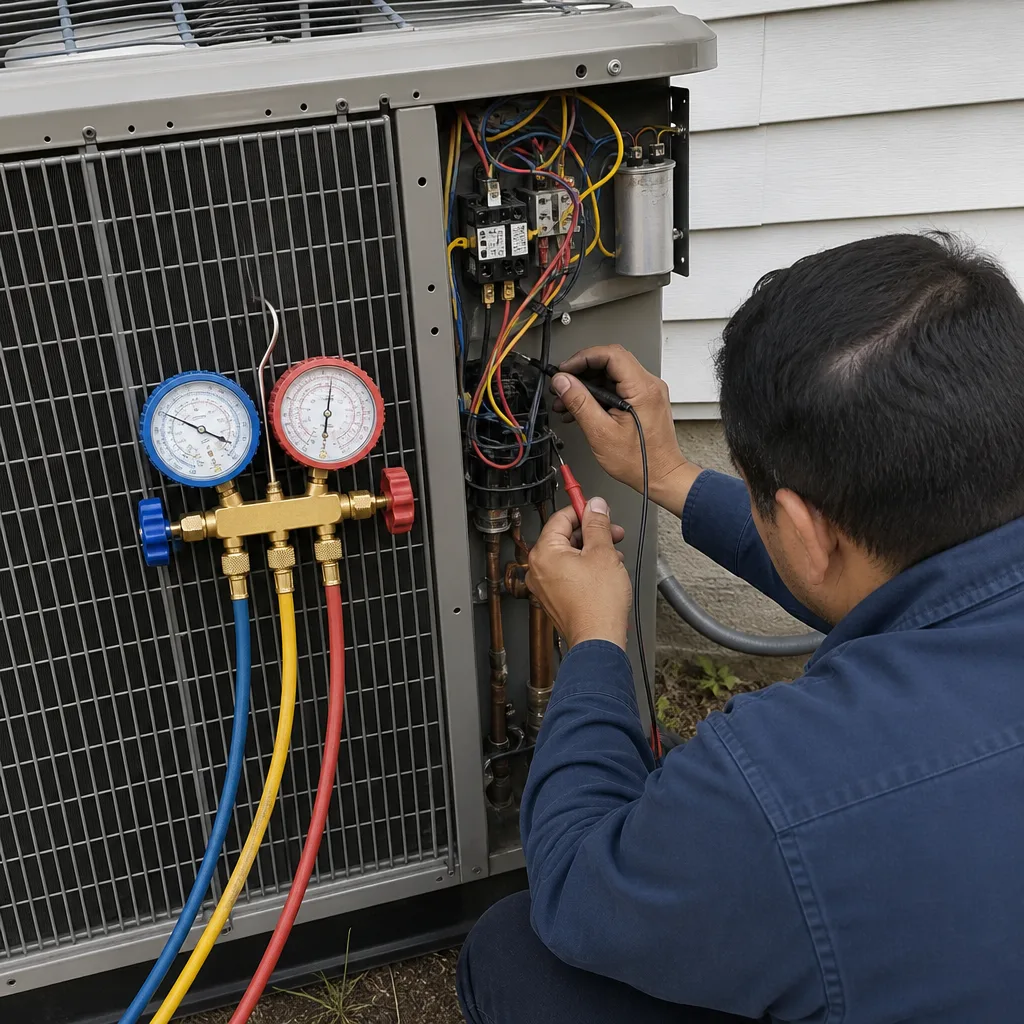
Here’s what the tutorial might not emphasize: a capacitor holds a charge even after power is cut at the breaker. The stored voltage is routinely in the 370 to 440 volt range. It can discharge through a screwdriver, through your hand, or through your heart. The correct procedure is to discharge the capacitor with an insulated resistor tool, then verify zero volts with a meter, then handle it by the body only. One wrong move with a charged capacitor is a serious injury or worse. This is a five-minute job for a trained technician with the right tool and the right meter. For a homeowner, the risk profile is not worth the hundred dollars saved.
Heat exchanger inspection: you cannot see the crack
A cracked heat exchanger on a gas furnace leaks carbon monoxide into your living space. That is the entire sentence. The crack is often hairline, hidden inside the heat exchanger cells, and invisible without a borescope camera. Even with the camera, a proper inspection includes a combustion analysis to measure carbon monoxide levels in the flue gas, because that catches failures that visual inspection cannot. If you have a gas furnace that is older than fifteen years, and you smell anything odd or notice soot around the registers, do not open the cabinet to inspect it yourself. Call a professional with combustion test equipment. This is the one task where getting it wrong doesn’t mean a repair bill. It means carbon monoxide, and carbon monoxide is odorless and fatal.
Duct sealing in unconditioned spaces
Sealing ducts sounds harmless: get some mastic or foil tape and seal the gaps. And in conditioned spaces like a basement or accessible closet, it mostly is. The problem in Hempstead is attics. Homes here have full attics that hit 130 degrees in summer and 20 degrees in winter. Working up there for any length of time is a heat injury risk on one end of the year and a hypothermia risk on the other. Beyond that, sealing ducts properly requires knowing which gaps actually leak and which are deliberate. Over-sealing can trap combustion gases from a furnace in the duct system. Under-sealing just wastes your time. If you’re doing this work, wear the right protective gear and understand the airflow of your whole system first. Or have a professional pressure-test the ducts and seal the leaks that actually matter.
The Insurance Angle Most Guides Skip
Homeowner’s insurance is the quiet reason the legal line matters. Most Hempstead homeowners carry a policy that covers fire, water damage, and liability. What those policies don’t cover is damage caused by unpermitted, unlicensed work done by the homeowner.
The scenario is more common than people want to believe. A homeowner changes out their own furnace to save three thousand dollars. The install is not permitted. A year later, the furnace malfunctions and causes a fire, or an improperly vented exhaust creates a carbon monoxide situation. The homeowner files a claim. The insurance adjuster asks for the permit history on the equipment. There is none. The claim is denied on the grounds that the work was not performed to code, and the homeowner is now paying for fire restoration, a new furnace, and possibly a liability claim out of pocket.
The same logic applies to water damage from a DIY AC repair that goes wrong. If you open a refrigerant line, release the charge, and then replace a part you were not licensed to touch, any subsequent failure is on you. Insurance policies are contracts, and those contracts assume the home is maintained by qualified professionals where the law requires them.
This doesn’t mean you can’t do anything yourself. The tasks in the Safe DIY section above are maintenance, not modification. Filter changes and drain cleanings don’t void your policy. But once you touch the sealed system, modify gas piping, or replace equipment without a permit, you’ve crossed from maintenance to modification, and that’s where the legal exposure starts.
Using a Professional Visit Strategically
There’s a way to hire a professional that leaves you more capable, not less. If you’re unsure where to start, our How to Hire a HVAC Contractor in Hempstead: A Step-by-Step Guide walks you through the process. Instead of treating a service call as a black box, use it as a training session. Most good technicians will show you what they’re doing, explain why, and tell you what you can handle going forward.
When a technician from Dalton Heating & Air visits a Hempstead home for a repair or seasonal service, the good-customer questions sound like this:
- “Show me where my filter goes, and what size it is.” That answer alone saves you the time of searching for the filter slot, and it means you’ll buy the right size every time.
- “Show me where my condensate drain is, and how I should clean it.” A technician can point to the exact pipe in your mechanical room, not the generic photo in a YouTube video.
- “What’s the model and age of this equipment, and what’s the most common failure you see on this brand?” Knowing your system age and the likely failure mode helps you budget for replacement before an emergency.
- “What should I be doing seasonally that I’m probably not doing?” The answer varies by house. In Hempstead, coastal salt air means different maintenance than a home in Garden City. The technician who is standing in your basement can give you a home-specific answer.
- “If this part fails again, is it something I can safely replace myself?” A good technician will be honest. Some will say yes. Some will explain why this one is not a homeowner job. Either way, you learn the boundary for your specific equipment.
Marco Benitez, the owner of Dalton Heating & Air Hempstead, trains technicians to answer those questions straight, because the company’s entire operating model is built on the opposite of gatekeeping. The Garrison Standard, which Dalton has operated under since 2003, requires written pricing before any work starts and a written guarantee on every repair. If the technician does the work and explains it while working, you get a repair and a maintenance education in the same visit.
One caveat: a technician visit is not the time to ask for a comprehensive course in refrigeration theory. The five questions above fit naturally into a service call. The technician is paid to fix your system, not run a classroom. Ask good questions, listen to the answers, and take notes. The good ones will be glad you asked.
Hempstead-Specific HVAC Realities
Hempstead’s climate does specific things to HVAC equipment, and those specific things explain what fails here and what maintenance matters most. On the air conditioning side, Long Island’s combination of summer humidity and salt air is a two-front attack. The humidity means your AC runs long cycles pulling moisture out of the air, which puts constant load on the compressor and produces more condensate that has to drain. The salt air means the aluminum fins on your outdoor condenser corrode faster here than they do inland. A ten-year-old condenser in Hempstead with no regular coil cleaning looks worse than a fifteen-year-old unit upstate. That’s why we tell homeowners to hose the coil down twice a year, and why we see so many condenser replacements on systems whose indoor components are still fine.
On the heating side, Hempstead’s winters are not Fargo-cold, but they are long and damp. Furnaces here tend to fail in the wear-and-tear mode, not the freeze-up mode: inducer motors, igniters, and circuit boards are the common failures on Long Island gas furnaces. Those are all parts that a trained technician can diagnose and replace in one visit, and the cost is typically in the $150 to $450 range depending on the part. That range matters because it’s the difference between a repair and a replacement decision. A Furnace Repair in Hempstead call that totals $300 on one visit is usually the right call even if the furnace is fifteen years old, because it buys another season.
Electrical infrastructure is another Hempstead consideration. Homes here span a wide range of ages, and some older homes still have 100-amp service. A heat pump installation on a 100-amp panel may require a panel upgrade or a load management device, which adds to the job. A professional will catch this during the initial assessment. A homeowner ordering a unit online and wiring it themselves might not catch it at all, and the result is nuisance breaker trips or a fire risk. We’ve seen this enough that it’s the first thing we check on Heat Pump Installation in Hempstead estimates.
Common Mistakes to Avoid
- Using chemical coil cleaners on your outdoor unit without rinsing thoroughly. The chemical does the work, but if it dries on the fins it eats through the aluminum. Rinse with plain water until the runoff is clear, and if you’re unsure, do the low-tech hose-only method instead.
- Closing supply vents in unused rooms to “save energy.” Your system was designed for a specific airflow balance. Closing vents increases static pressure, which strains the blower and can shorten its life. The energy savings are minimal and the equipment wear is real.
- Buying the thickest, highest-MERV filter you can find. MERV 13 filters restrict airflow on most residential systems, especially older ones. Use MERV 8 to 11 unless a professional has confirmed your system can handle higher.
- Attempting to recharge refrigerant with a DIY can kit. This is the federal violation mentioned at the top of this guide. It is also technically wrong: if your system is low on refrigerant, there’s a leak. Adding refrigerant without finding and fixing the leak is a short-term patch, and the leak will return.
- Ignoring a burning smell from your furnace on the first heating startup of the season. A light dust burn-off smell is normal for a few hours. A persistent electrical or gas smell is not. Shut it down at the thermostat and call a professional before running it again.
- Replacing a fuse on your furnace board without identifying why it blew. A blown fuse is a symptom, not a root cause. The next fuse may blow less safely. Find the short first, which means a tech with a meter, not a homeowner with a matchbox of fuses.
When to Call a Professional
Call a professional any time the job involves refrigerant, gas lines, a system replacement that requires a permit, or any repair on a sealed component like a compressor or heat exchanger. Call a professional when the system is making a sound you have never heard before, when ice forms on the indoor coil in summer, when the furnace flame is orange instead of blue, or when water appears anywhere it should not. Also call a professional when you’ve done the safe maintenance above and the system still isn’t performing, because that signals a problem deeper in the equipment.
Dalton Heating & Air Hempstead offers free estimates in Hempstead. Call (516) 559-4840, and a live person will answer, day or night. The price is in writing before any work starts, and the repair is guaranteed in writing for a full year. If it fails in that year, Dalton returns at no charge. That’s the standard, and it’s The Garrison Standard since 2003.
See the difference
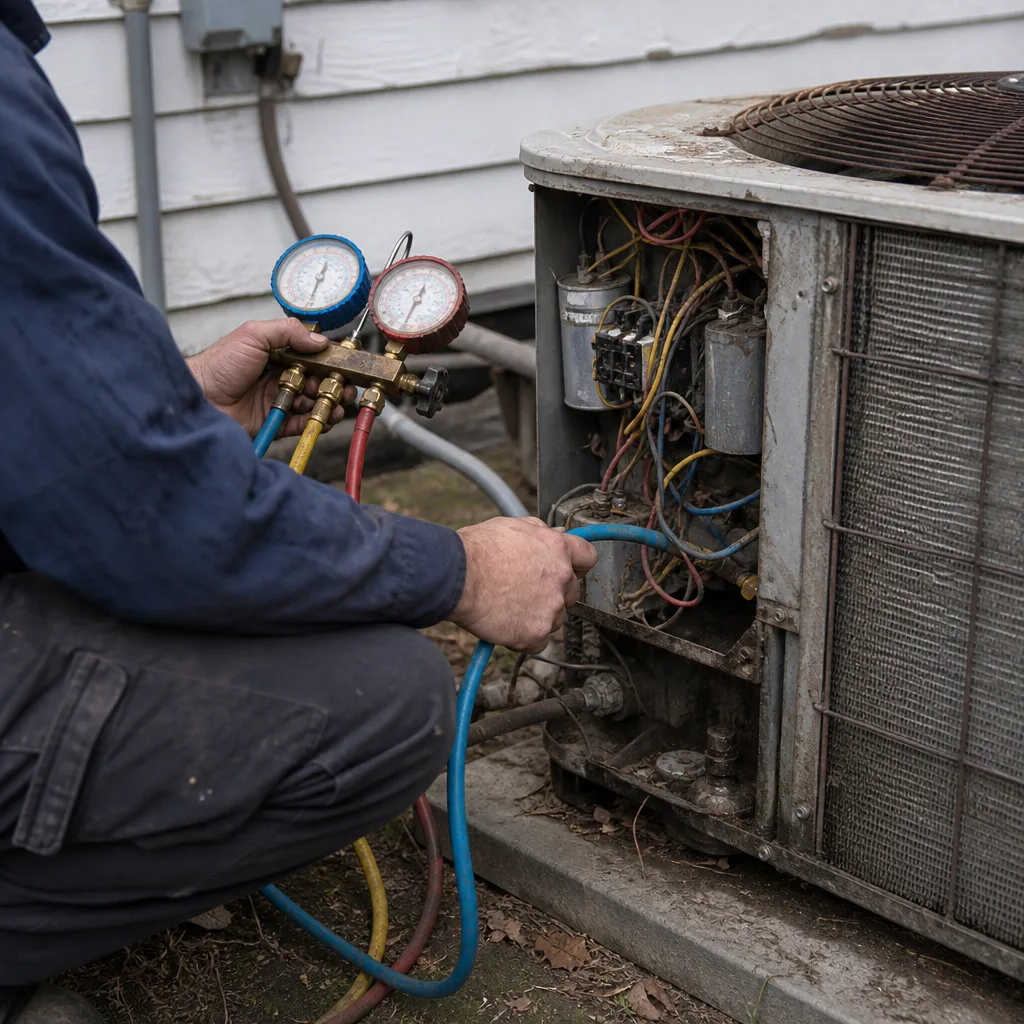 Before
 After
After Before
 After
After Before
 After
AfterFrequently Asked Questions
No. Adding or removing refrigerant requires an EPA Section 608 certification, which homeowners do not have. Federal penalties run up to $44,539 per day per violation. Beyond the legal issue, low refrigerant means a leak, and adding refrigerant without fixing the leak wastes money and damages the compressor long-term.
Most furnace repairs in Hempstead run $150 to $450, depending on the part. Inducer motors, igniters, and control boards are the common failures and fall within that range. A full heat exchanger replacement or a 20-year-old furnace with multiple simultaneous failures can exceed that, which is when a replacement quote makes sense.
Filter replacement, condenser hosing, thermostat replacement, condensate drain cleaning, and general cabinet cleaning are all legal and safe for a careful homeowner. Anything involving refrigerant, gas piping, or a permitted equipment replacement requires a licensed professional in New York.
Maintenance tasks like filter changes and drain cleanings will not. Modification work, including unpermitted equipment replacement or any opening of the sealed refrigerant system, can lead to a denied claim if that work is later linked to a failure. Insurance adjusters check permit history after major claims, and missing permits complicate coverage.
Check it monthly during peak heating and cooling seasons and replace it when it looks dirty, usually every 1 to 3 months for standard 1-inch filters. Hempstead’s humidity and salt air can load filters faster than inland homes, so monthly checks during summer are worth the sixty seconds.
Yes, if you label every wire and the new thermostat matches your system type, including heat pump O/B configuration. If the wiring includes a C wire, use it for smart thermostats. If you see wires you cannot identify, or the old thermostat runs a communicating system, stop and call a professional rather than risk damaging the control board. For any repair beyond the thermostat, AC Repair in Hempstead is a call away.
The Bottom Line
The real decision in Hempstead is not whether you’re handy enough. It’s whether the task sits on the legal side of the line or the licensed side. Filters, thermostats, condenser cleaning, and drains are yours. Refrigerant, gas, permits, and sealed-system repairs are not. The legal line exists for good reasons, safety being the main one, and the insurance consequences of ignoring it can outlast the money you saved. For everything on the professional side, Dalton Heating & Air Hempstead home service area covers the full range: written pricing before any work starts, a written one-year guarantee on every repair, and a live person who answers the phone at any hour.
Written by Marco Benitez, Owner at Dalton Heating & Air Hempstead, serving Hempstead since 2003. For more guides & resources, visit our blog.