
 AC repair
 Furnace & heating
 Heat pumps
 Ductless mini splits
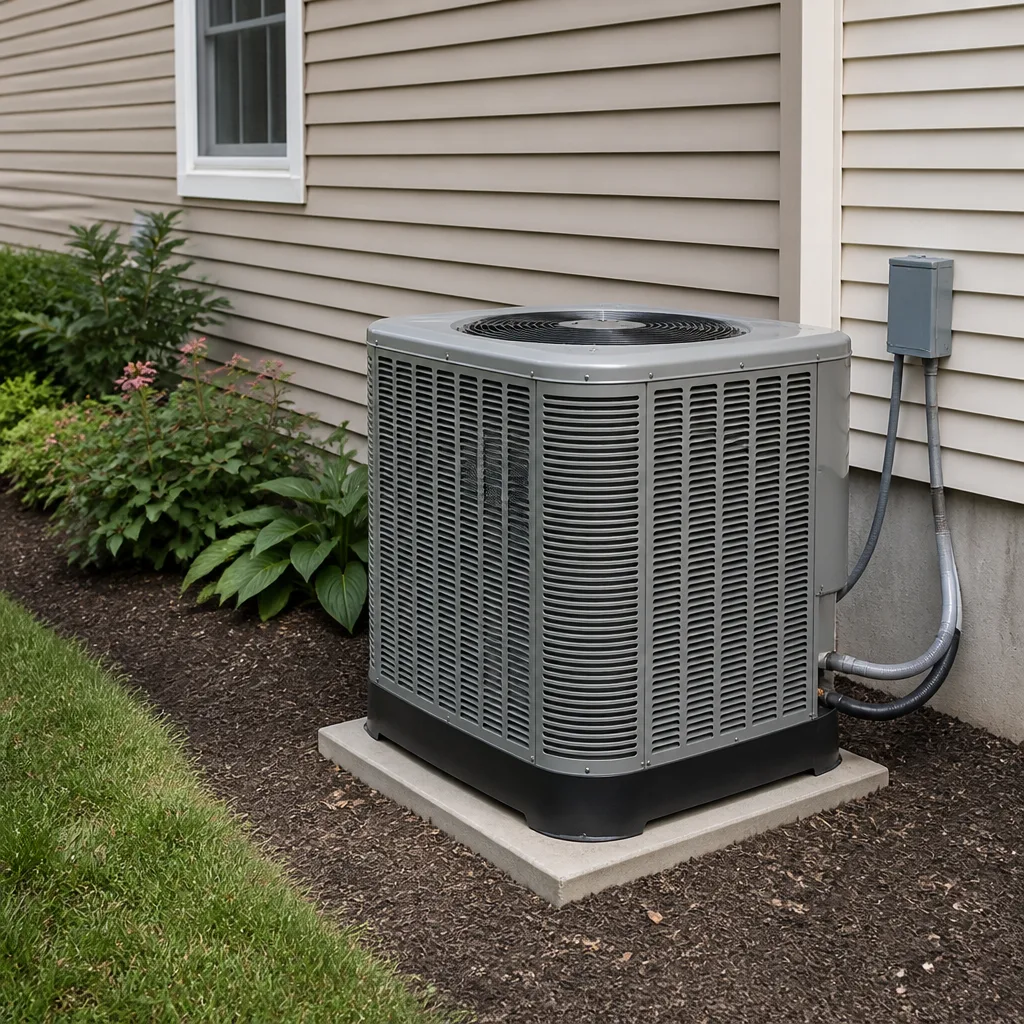 Carrier
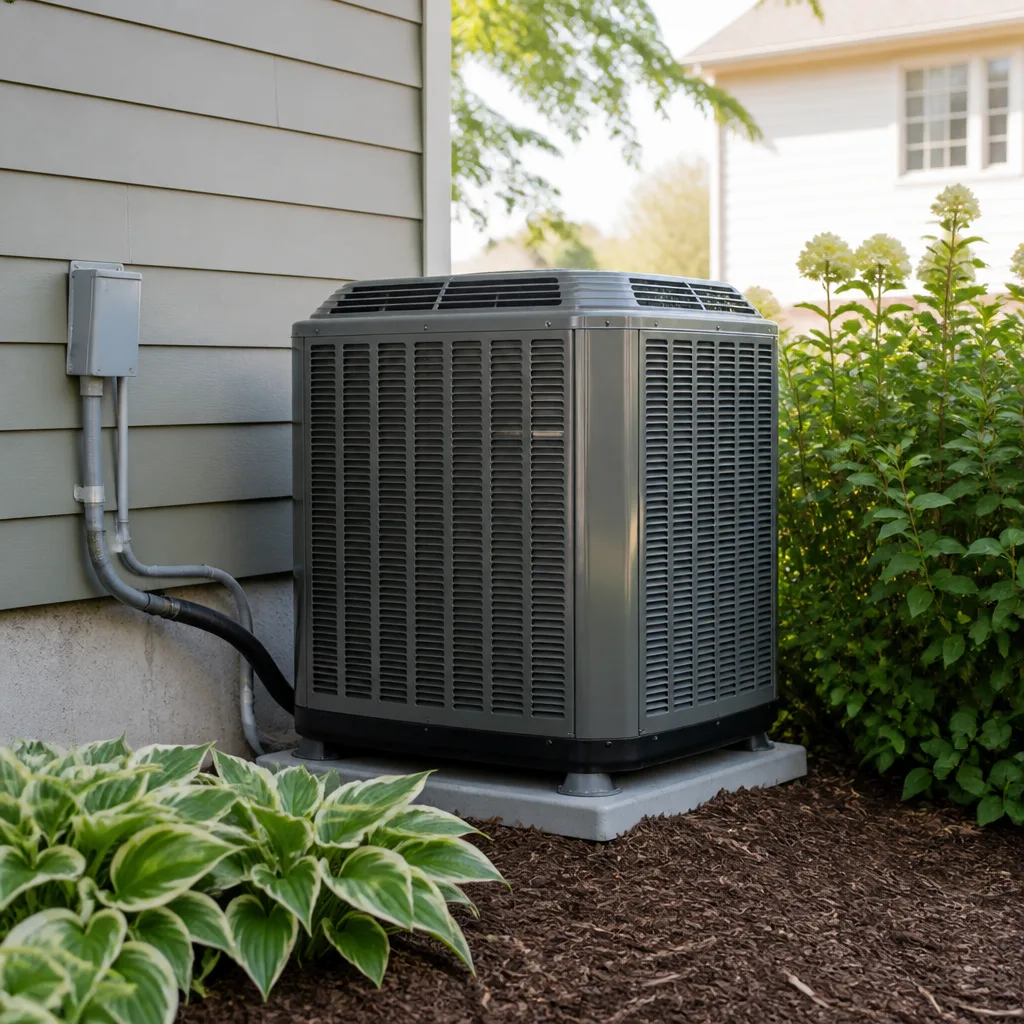 Trane
Trane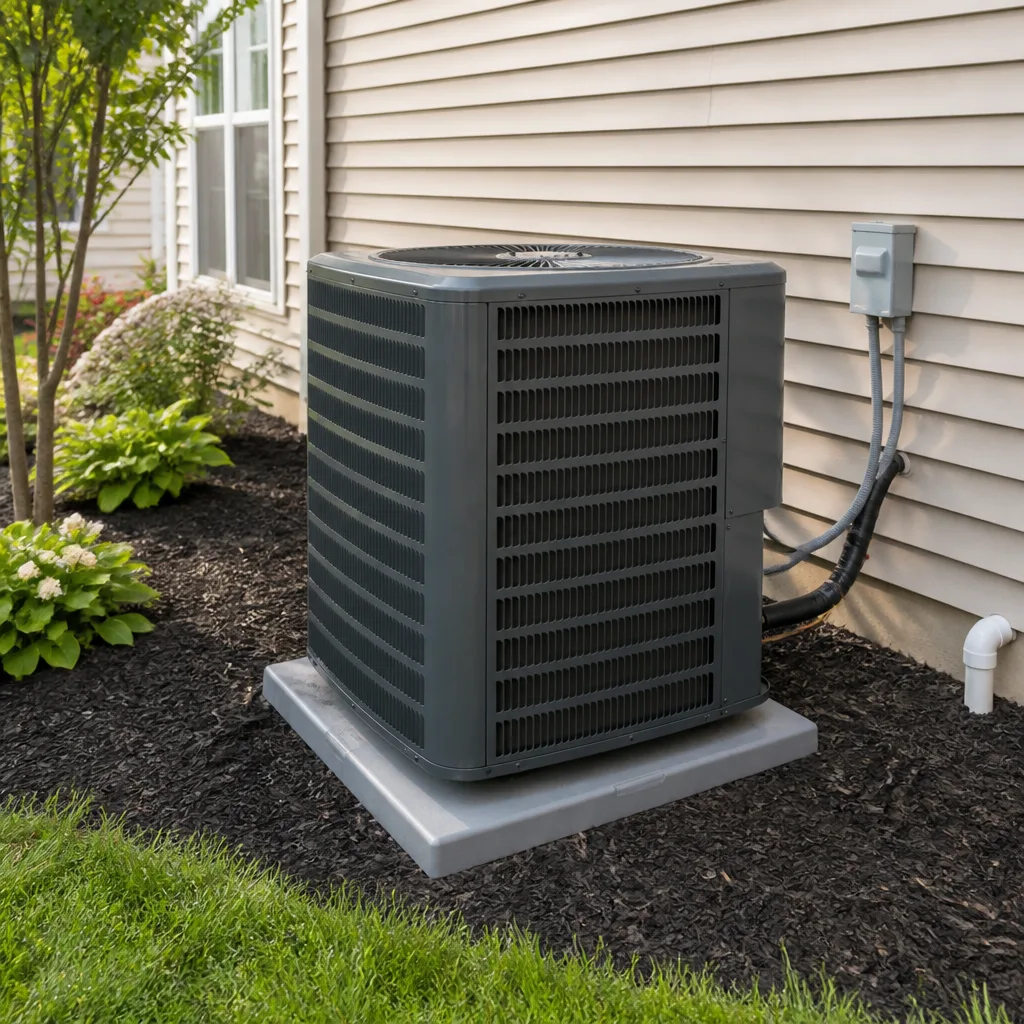 Goodman
Seasonal tune-up and full diagnostic on your Carrier, Trane, or Goodman system - readings shown to you before any repair is proposed
Diagnosis first, numbers second - you approve the repair price before a single part goes in.
Get your free estimateCarrier Ductwork Repair: The Hempstead Owner’s Guide
Carrier ductwork repair in Hempstead typically runs $150 – $650 installed, depending on how much duct has failed and whether we’re sealing joints, replacing a collapsed section, or rebuilding a trunk line. We stock Carrier-compatible duct components on our trucks, so most repairs are done same-day in one visit. The way most Hempstead homeowners discover the problem is simple: one room stops heating or cooling, or the utility bill climbs without explanation. You don’t see ductwork, so it fails quietly until the symptoms show up at the register or the thermostat.
Ductwork is the delivery system for everything your Carrier unit produces. If the ducts leak, the equipment works harder than it should, and you pay for conditioned air that never reaches the room. In Hempstead’s older housing stock, especially the residential streets around Hempstead Lake State Park, we routinely find ductwork from the 1970s and 80s that has outlived two or three furnaces. The Carrier equipment may be new. The ducts are not.
Key Takeaways:
- Typical Carrier ductwork repair in Hempstead: $150 – $650 parts and labor
- Most repairs completed same-day with parts from our truck stock
- Price is in writing before work starts, every job, no exceptions
- Every repair is guaranteed in writing for a full year
- Dalton Heating & Air Hempstead is an independent service provider, not affiliated with Carrier Corporation
Which Carrier Models This Applies To
Ductwork is model-agnostic in one sense: the ducts don’t care whether you have a Carrier Infinity, Performance, or Comfort series system. But duct sizing and static pressure requirements do care. Carrier’s higher-efficiency equipment, especially variable-speed air handlers in the Infinity line, is less forgiving of undersized or leaky ductwork than the older single-stage systems many Hempstead homes were built with. A variable-speed blower will ramp up trying to push air through a restricted duct system, which wears out the blower motor faster and raises your electric bill in the process.
The practical question is rarely “which Carrier model is this duct for” but “what size and type of duct does this system need.” We match that by measuring the existing ducts, checking the Carrier unit’s rated airflow in cubic feet per minute (CFM), and doing a static pressure test. The static pressure test tells us how hard your blower is working against the ducts. Too high, and we know there’s a restriction or leak somewhere. That’s the number that matters more than any model label.
On the OEM-versus-aftermarket question: for ductwork components, the honest answer is that Carrier doesn’t manufacture most of the duct material in your home anyway. Flex duct, sheet metal, mastic sealant, and registers are made by specialty manufacturers and installed to match the equipment’s airflow needs. What matters is not the brand stamp on the duct but whether the material is sized correctly, sealed properly, and insulated for the attic or crawlspace conditions we see in Hempstead. We use galvanized steel and foil-backed flex duct that meets the same specs as what a Carrier factory rep would recommend. For Trane and Lennox systems, the story is identical: the ductwork has to match the airflow, not the logo.
Styles & brands we work with
Signs Your Carrier Ductwork Repair Is Failing
- One room is always ten degrees off. A disconnected or crushed duct branch means that room gets whatever air leaks into the cavity instead of what the Carrier unit is actually producing. If the door to that room has to stay open to make it comfortable, the duct serving it has likely failed.
- Dust comes back within days of cleaning. Leaks on the return side of the system pull air from the attic, crawlspace, or wall cavities, and that air carries insulation fibers and dust straight into your living space. You’re not generating the dust; your ducts are importing it.
- Your utility bill jumped without a rate change. A leaking duct system can lose 20 – 30% of the air your Carrier unit is conditioning. That’s not an estimate; the Department of Energy has cited similar loss figures for decades. You’re paying to heat or cool a crawlspace.
- You hear a whistle or a flapping sound when the blower runs. The whistle is air escaping through a small hole or a poorly sealed joint. The flapping is usually a piece of flex duct that has come loose or a section of sheet metal that has separated and is vibrating against a joist.
- Some vents barely move air, others blast it. If one register feels like a wind tunnel and another feels dead, the duct design or condition is out of balance. In Hempstead homes where floors have settled, we often find trunk lines that have sagged and pinched shut at the hangers.
See the difference
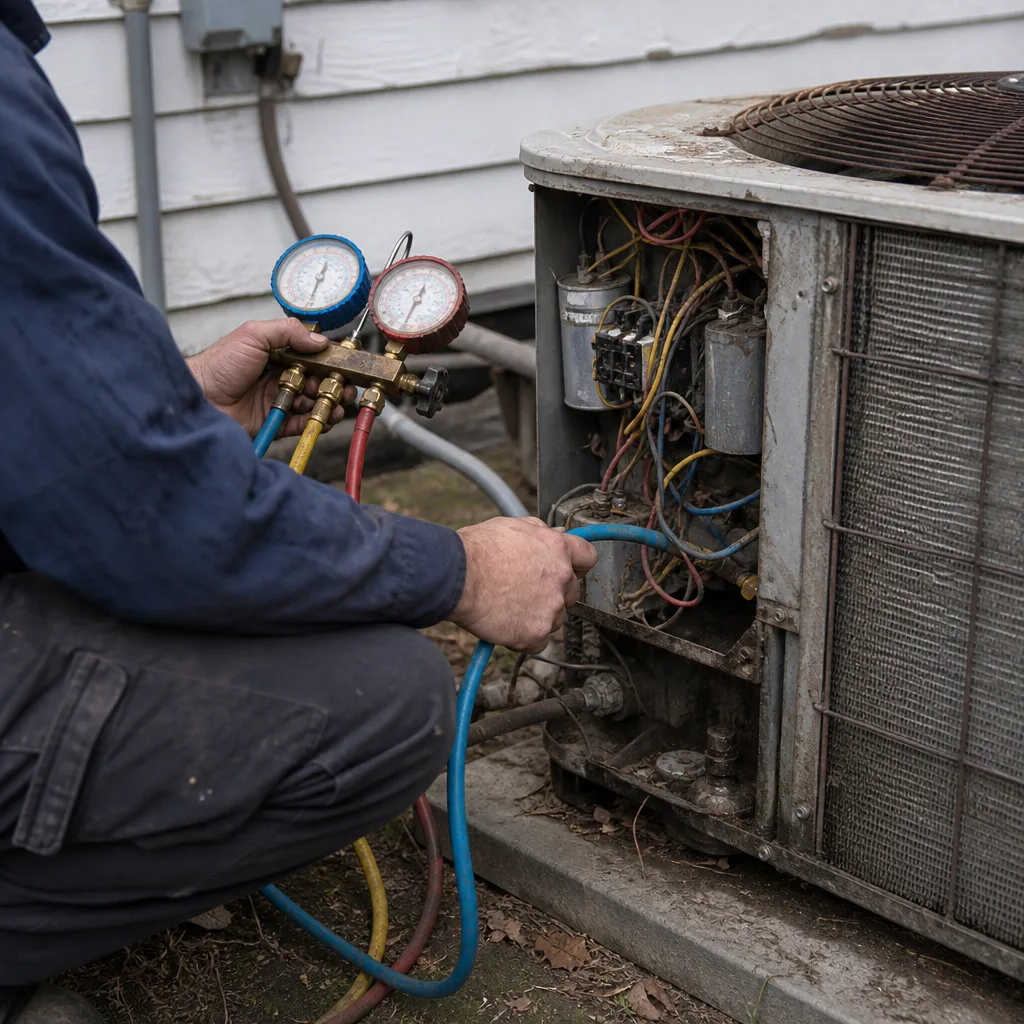 Before
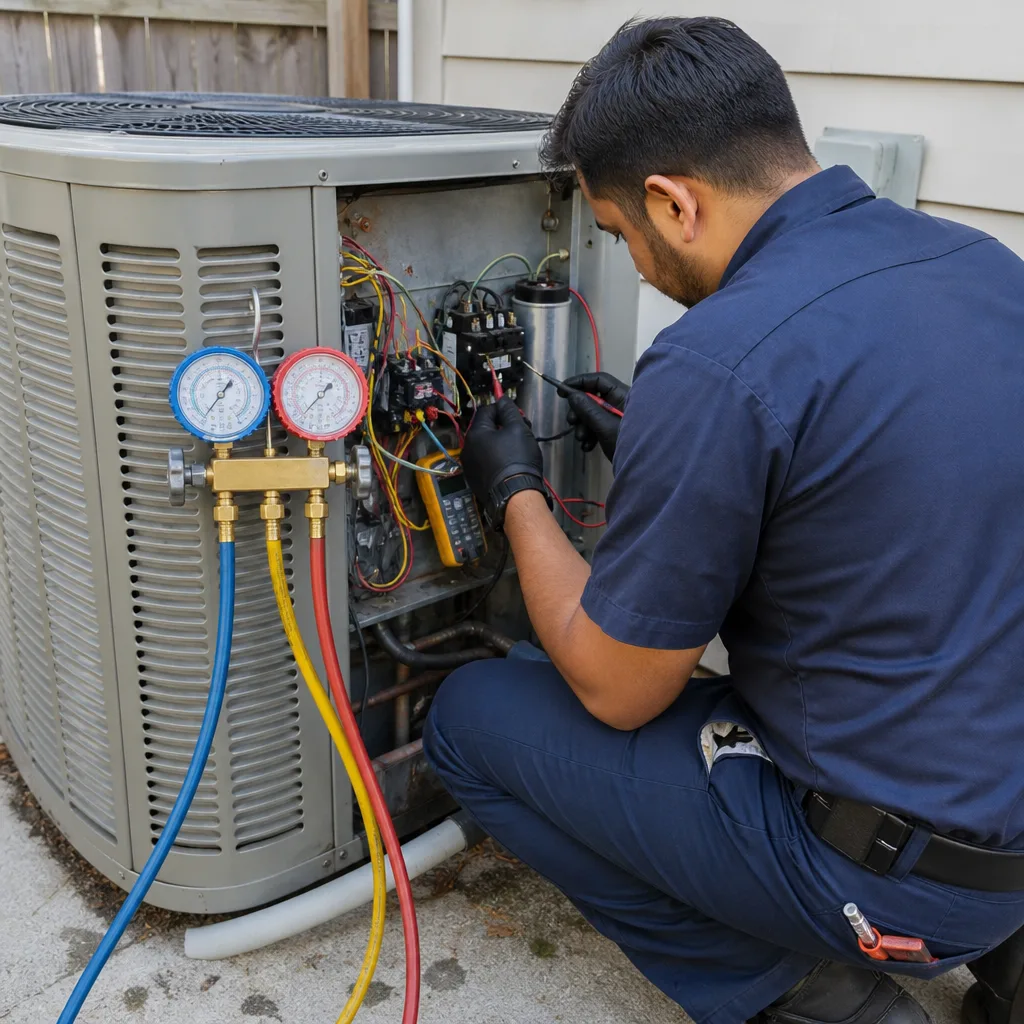 After
After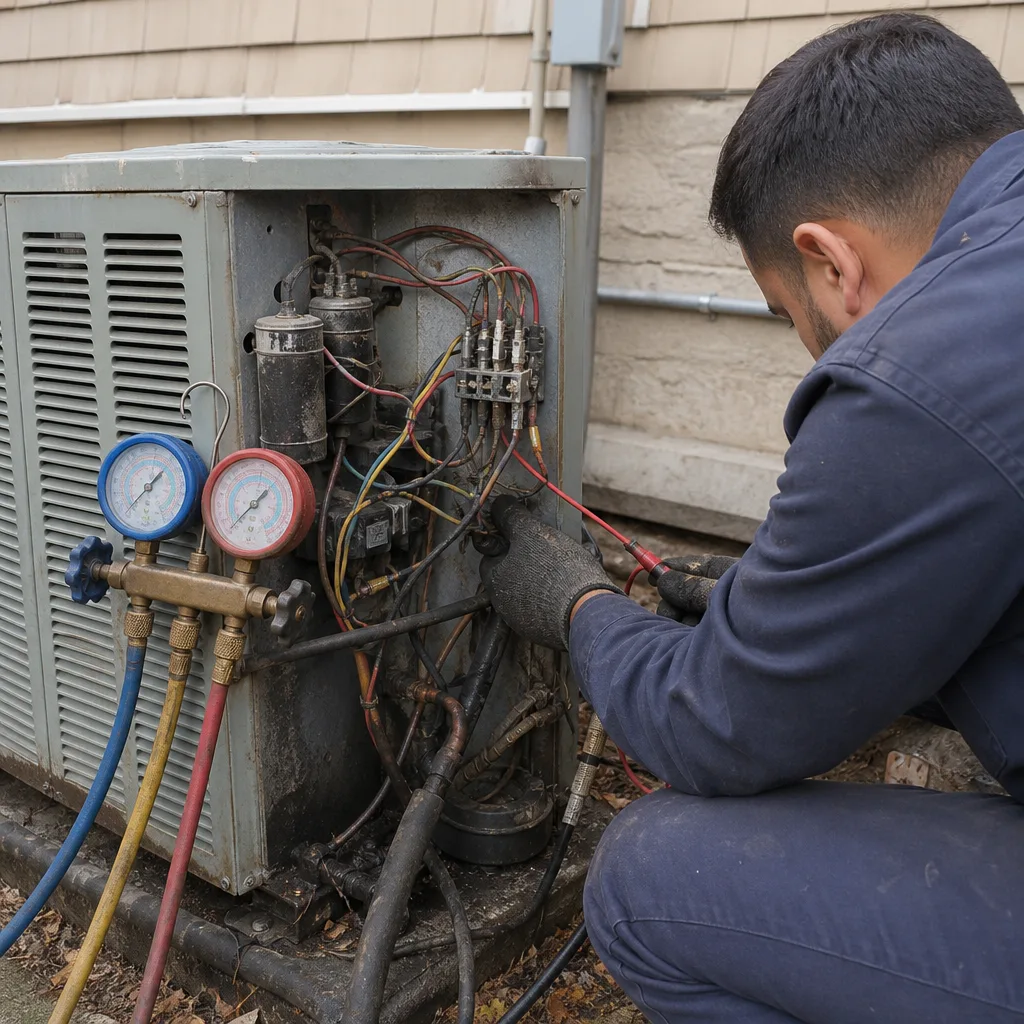 Before
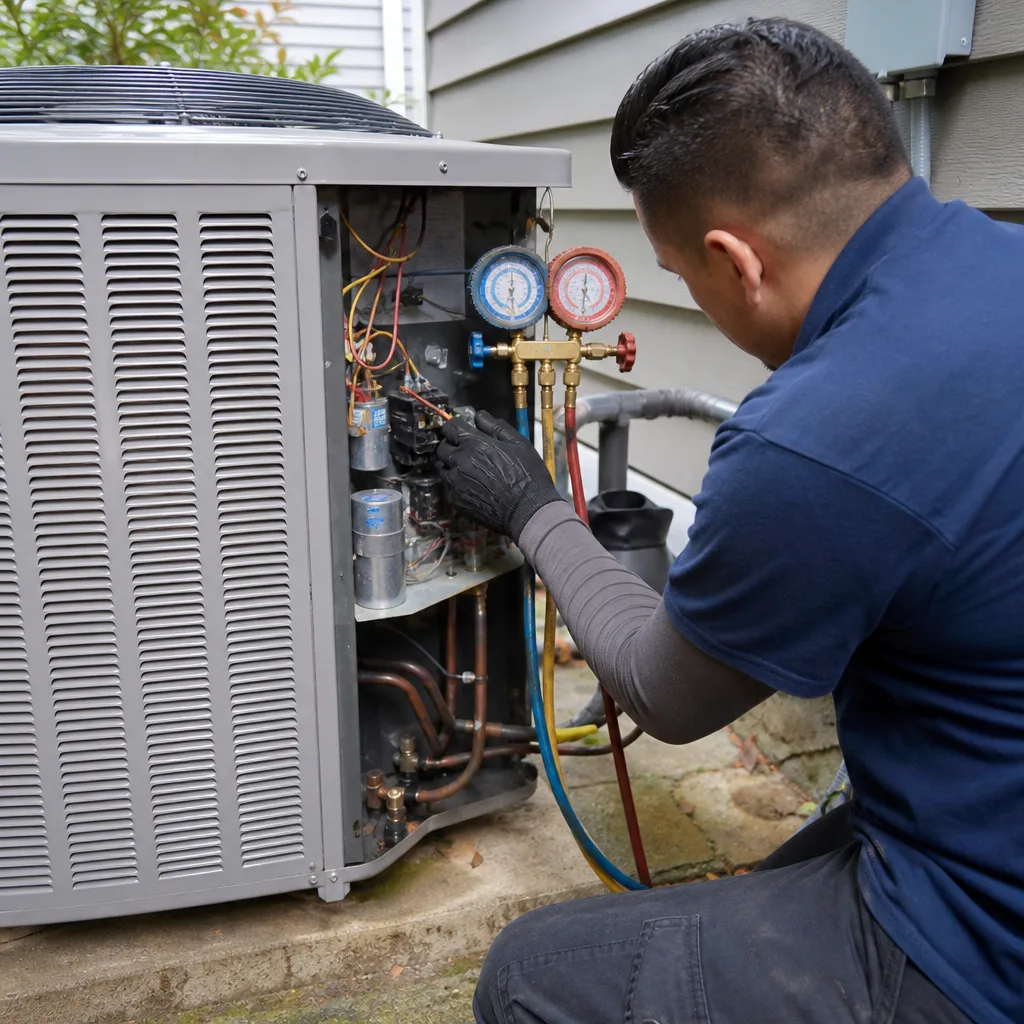 After
After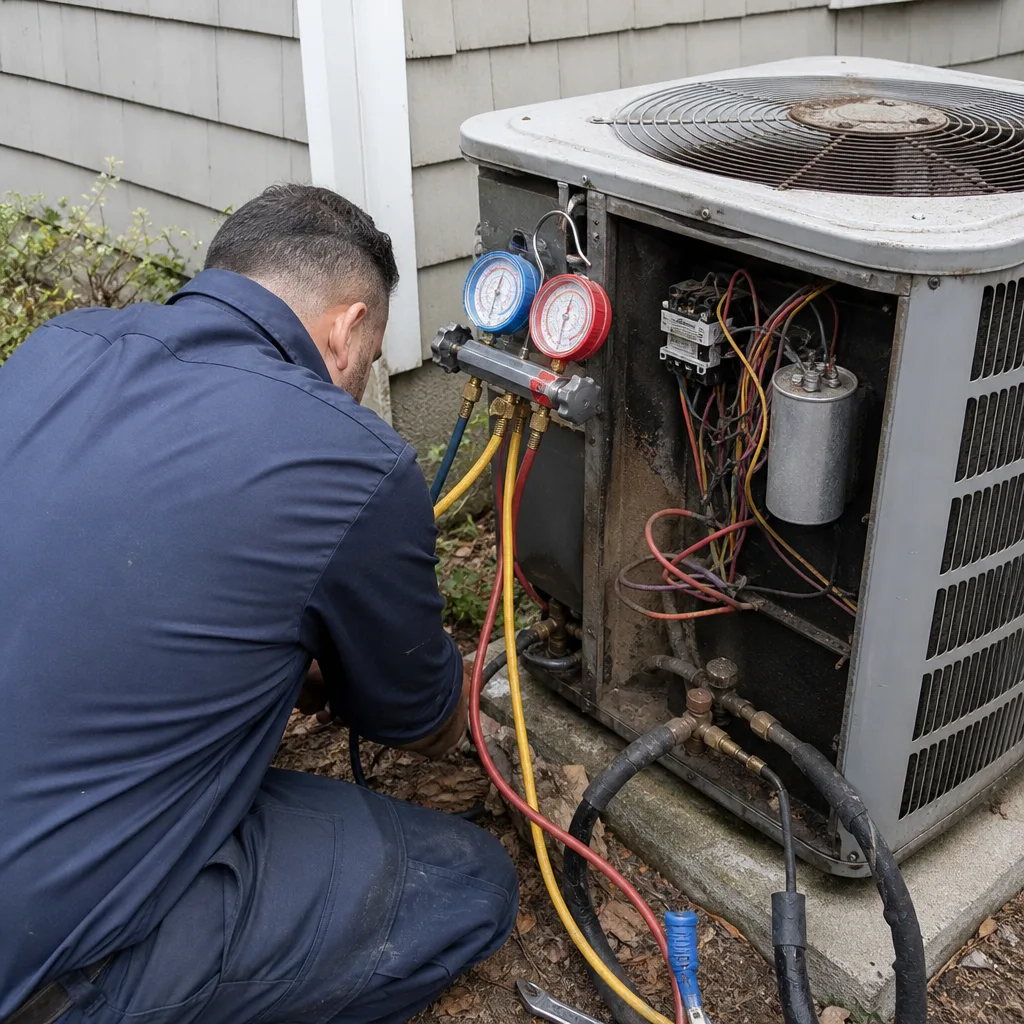 Before
 After
AfterDIY or Call Us?
There are a few things a Hempstead homeowner can safely check before calling. Look at the registers: are they open, and are they blocked by furniture or rugs? Check the filter at the air handler. A clogged filter increases static pressure and can mimic duct problems. You can also inspect any ductwork you can see in the basement or garage: look for obvious gaps at joints, sections hanging loose from their straps, or crushed flex duct where something has fallen against it.
What we don’t recommend is crawling into a hot attic or a tight crawlspace to patch ductwork yourself. Attic work in a Hempstead summer is punishing, and the risk of stepping through a ceiling or disturbing electrical wiring is real. Proper duct sealing means mastic and mesh tape or UL-listed foil tape, not gray cloth duct tape, which dries out and fails in two or three seasons. If the repair involves re-hanging a trunk line, adding support straps, or calculating the right duct size for a room, that’s the point where a trained tech with a manometer and the right materials saves you time and money. Call (516) 559-4840 and we’ll tell you what’s actually wrong and what it costs to fix, in writing, before any work begins.
Replacement Cost & What’s Included
In Hempstead, Carrier-compatible ductwork repair falls into three price bands. Spot repairs like sealing accessible joints or reconnecting a separated flex run land in the $150 – $300 range. Replacing a failed section of flex duct or rebuilding a branch line runs $300 – $500 depending on length, diameter, and how hard it is to access. Full trunk line repair or remediation of major air loss can push to $650 or more when the job involves sheet metal fabrication and multiple hangers.
Every quote from Dalton Heating & Air Hempstead includes the same things: a written price before any work starts, the specific parts and materials we’re using, the labor to install and seal them, and a written guarantee on the repair for a full year. If the repair fails inside that year, we return at no charge. That’s The Garrison Standard, and it’s the same on a $150 patch as it is on a full system replacement. No overtime charge for after-hours calls, no surprise line items when the invoice comes.
FAQs
Properly installed metal ductwork can last 40 years or more in a Hempstead home, but flexible duct often needs repair or replacement in 15 – 20 years. Attic conditions speed up aging: summer heat bakes the outer jacket, and winter condensation dampens the inner liner. If your flex duct is original to a 1990s system, it’s nearing the end of its service life regardless of what the Carrier unit itself is doing.
We repair ductwork whenever it makes sense, and that’s most of the time. Torn flex, separated joints, and loose hangers are repairable in a single visit. We recommend replacement only when sections are crushed, water-damaged, or so degraded that patching would create more failure points than it fixes. Our recommendation is based on what we find with inspection and testing, not on what sells more parts. Call (516) 559-4840 for an honest assessment.
Most Carrier ductwork repairs in Hempstead take 2 – 4 hours from arrival to cleanup. Simple reconnections and joint sealing run closer to 90 minutes. Replacing a long flex run or rebuilding a sheet metal transition can extend the visit, but we’ll tell you the expected time frame in the written quote before we start.
Yes. Our trucks carry flex duct in common Hempstead sizes (6, 8, 10, and 12 inch), sheet metal stock, mastic sealant, UL-listed foil tape, hangers, straps, and registers. If your repair requires a specialty fitting or a custom sheet metal transition, we fabricate it in-house rather than ordering and making you wait. That’s why most of our ductwork calls are one-visit fixes.
If your Carrier system is moving air poorly, making noise, or costing more to run than it should, call Dalton Heating & Air Hempstead at (516) 559-4840. We’ll send a background-checked, uniformed technician who arrives inside the stated window, puts the price in writing before any work starts, and stands behind the repair for a full year. Marco Benitez has been doing HVAC work across the Northeast for nearly three decades, and his approach to ductwork is the same one he learned doing load calculations in trade school: figure out what the space actually needs, fix what’s broken, and stop. Tell me the problem, I’ll tell you the fix and the price, then you decide.
Written by Marco Benitez, Owner, Dalton Heating & Air Hempstead at Dalton Heating & Air Hempstead, serving Hempstead and nearby areas.